Workshops & Activities include: * What’s Your Food Print? * Seed Starts for Kids * Worm Composting Demo * Local Farms Scavenger Hunt * Flower Starts for Adults * Story Hour & Up-cycling Craft * The Connection Between Food Waste & Climate Change
Sample Food from your Local Farmers: * Lillie Valley Farm * Crown Point Dairy * Crown Point Bakery * Daughters Five * Juniper Hill * North Country Creamery
The hot flames, bubbling cheese, and a sourdough crust – all make for a memorable pizza!
Learn how to make delicious sourdough pizza dough with local whole grains, which includes many techniques to use at home in any oven.
It’s going to be party as well. Bring your appetite. As the dough rises, we will nosh and celebrate local food with a grazing plate from our friend’s farms.
Lots of hands-on fun from kneading dough to peeling pies of hot pizza out of the oven. In addition to classic Neopolitan style pizzas, vegan options and even a dessert pizza will be served.
Just in time for Thanksgiving, our whole grain pie class will give you the skills necessary to bake a nutritious pie crust using local wheat.
In this class, we will:
Stone mill some Sirvinta Winter Wheat (locally grown by Cedar Hollow Farms in Altona)
Then we’ll craft some flaky pie crusts and share recipes for:
Fruit Pies
North Country Quiche
Sweet & Savory Rustic Galettes
Plus everyone will receive 2 lbs of freshly-milled flour to take home
Tea, coffee and light refreshments will be served.
Whole grain flour can take homemade pasta to a new level of nutrition and flavor complexity. Learn the tips and techniques needed to make rustic handmade pasta at home with local & organic wheat.
In the class, we will make:
Garganelli with Frederick, a soft white winter wheat
Ricotta Gnocchi, made with Expedition, a hard red winter wheat
Spelt Fettuccine
All attendees will receive:
2 LBS of Freshly-Milled Flour
Pasta Rolling Board for Garganelli/Gnocchi
And of course, we will eat and enjoy a bowl of our freshly-made pasta together with a salad, breads and refreshments.
Saturday, April 2nd: Taste local grains and learn all about the local grain movement happening in our region in collaboration with the Northeast Grainshed Alliance.
Learn all about:
– the farms we source our wheat from
– how we stone mill
– what the SQFT Project is
– grain quality and testing
We will talk about and taste local organic Rye, Einkorn, Hard Red Winter Wheat and Soft White Winter Wheat.
Free to attend but registration is required. Thank you!
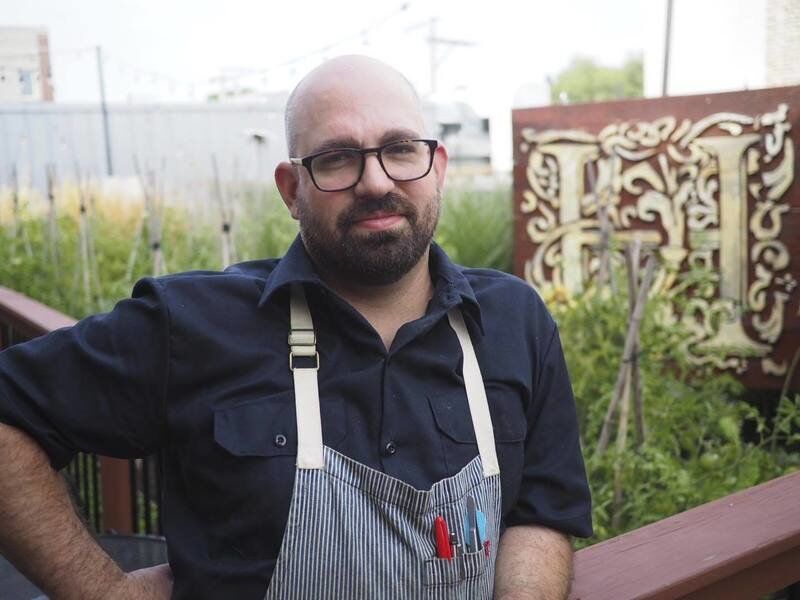
Interview with Executive Chef & Operating Partner Jesse Badger at the Hearth of Malone
By Mary Godnick, Adirondack Harvest Communication Coordinator at Cornell Cooperative Extension of Essex County
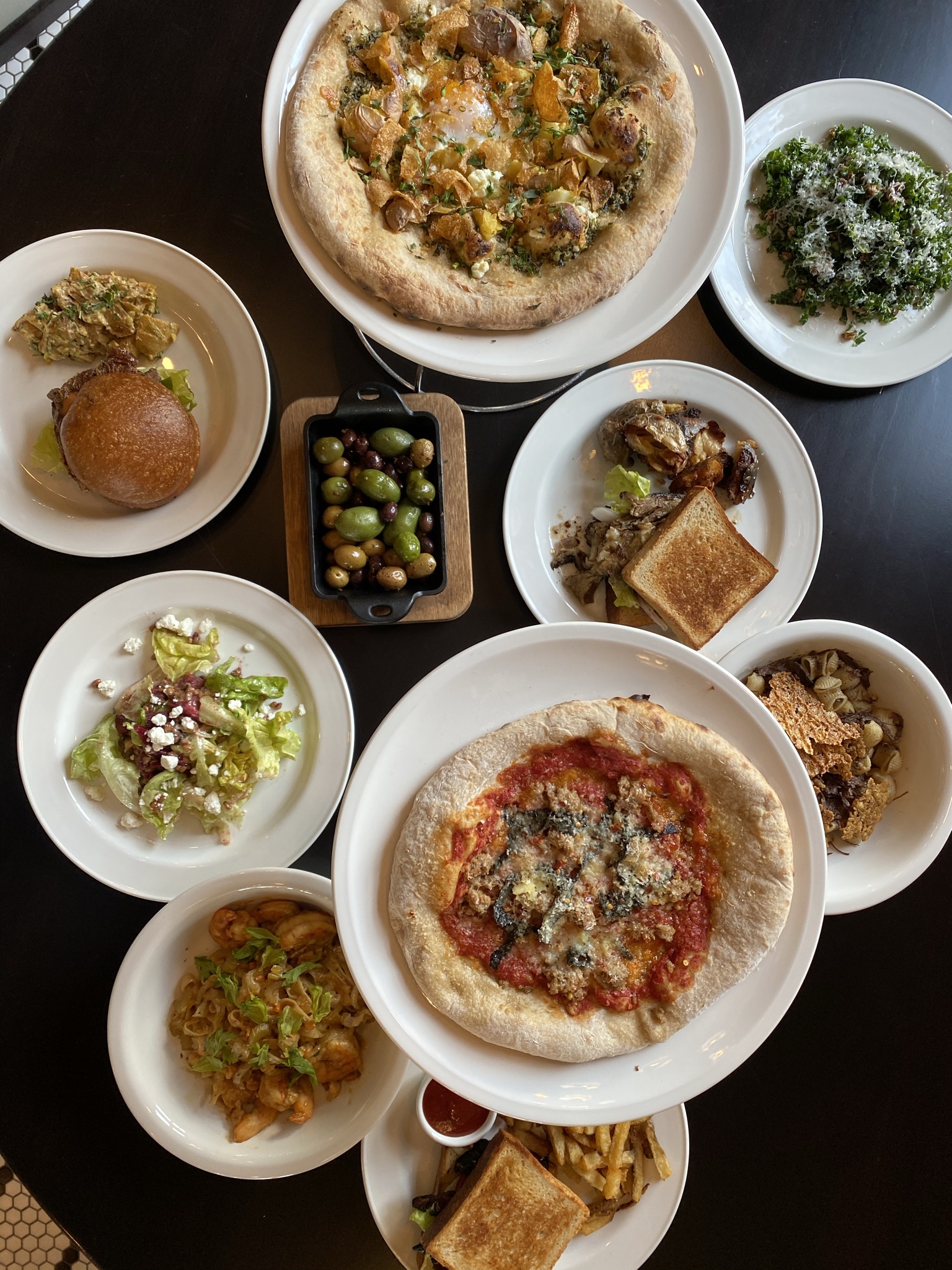
You may have already heard the buzz about the new restaurant in Malone, NY. A small town in the Adirondacks along the Canadian border. The Hearth of Malone opened the doors of its tastefully designed restaurant in May of 2021. Since then, it has become a staple in the surrounding community. The restaurant aims to offer unique modern-American food by sourcing the highest quality local ingredients. The focus of their process is to use traditional and contemporary methods to highlight the best possible ingredients. For example, they use a wood-burning oven and make all of the bread from scratch in-house.
Executive Chef Jesse Badger moved to Malone from Chicago in 2020 to open the restaurant with his partners Darren Gough and Michael Roesler. manager and owner Michael Roesler brought on Executive Chef Jesse Badger, who then moved to Malone from Chicago in 2020. Jesse has over two decades of experience in the restaurant industry, from wholesale distribution to the front-of-house management, to acting as chef de cuisine for Michelin-recognized restaurants in Chicago, Louisville, and beyond. His experience and attention to sourcing local and sustainable ingredients has allowed the Hearth of Malone to live up to its vision.
While the farm-to-table movement is growing nationally, in the Adirondacks there are many hurdles that business owners, chefs, and restaurant staff have to overcome to make changes to sourcing their ingredients.
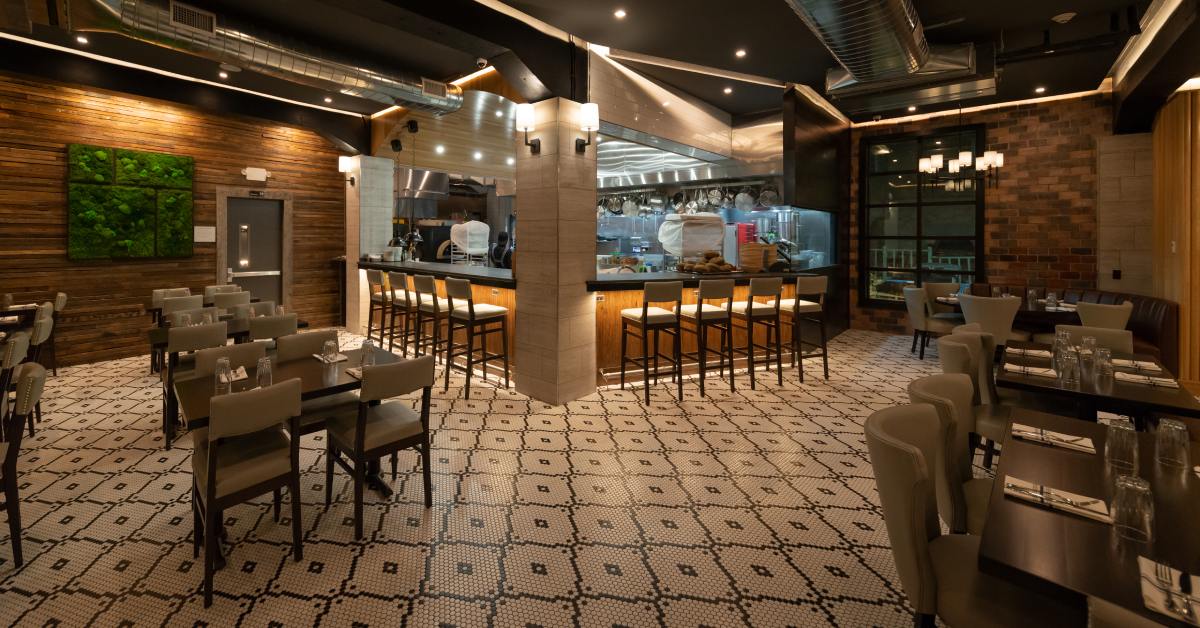
Hearth of Malone Executive Chef & Operating Partner Jesse Badger, selections from their lunch menu, a look at the restaurant space
I sat down with Chef Jesse Badger after the Adirondack Harvest Festival Open Farm Week (where he hosted a long table dinner at DaCy Meadow Farm) to talk about how he has developed a vision and process that makes serving local from-scratch food simple and economical.
MG: So, why does your restaurant buy locally?
JB: “Well, first off, the quality is usually higher than commodity products, and produce in season always just tastes better. It is also important to support farmers and producers who are good stewards of the land and help preserve crop diversity.”
MG: My understanding is that the profit margin for restaurants can be very thin. I’ve heard that it’s estimated that eighty percent of restaurants will fail in the first five years of opening. So it’s no wonder why restaurant owners and staff are cognizant of cost. It seems that there is a common misconception that because locally produced ingredients cost more per unit that they are more expensive. Do you think using local food is sometimes less expensive?
JB: “Especially here in the North Country, it is impossible to get a better quality maple syrup at a competitive price than what we can get from our local producers. In addition to the price of purchase just being lower, the flavor and sweetness are more intense so we also don’t have to use as much to achieve the same flavor.”
MG: Understandably, the lack of infrastructure at many restaurants for storage and preparation of whole foods combined with staffing shortages, thin budgets, and busy tourist seasons followed by seasonal closures can make buying, preparing, and marketing more local food feel like a big leap. Can you speak to these challenges and share how your team has made buying local food an asset to your work?
JB: “The main challenge of buying local ingredients is just that you have to keep track of many more vendors than a traditional restaurant that probably gets all of their food product from one purveyor, maybe two. It is just the nature of the beast so we work through it by using very detailed spreadsheets for our order guides so we can keep track of what we need and where it comes from.”
MG: Is there anything that you did to design your kitchen space to be conducive to buying and using local ingredients?
JB: “Since we make everything we possibly can in-house, we need more prep space than if we purchased a lot of prepared ingredients so the biggest element of difference for us is the very large wood butcher block prep table in the middle of our kitchen.”
MG: What are some things that have made the process of sourcing and purchasing local food easier for your restaurant?
JB: “Northstar Food Hub and Regional Access aggregate local products from many sources that are too far away to realistically deliver to us as individual farms, but are still within just a few hours’ drive of us. This allows us to cast a wider net when sourcing. Also, we are fortunately at the point now where food producers approach us having heard about us either through some of the press we’ve received or word of mouth through other farmers that are working with us”
MG: What has been the general reaction to your unique offerings in the larger Malone community?
JB: “Generally very positive although we did get some comments at the outset that our prices seemed high, that was mainly because those guests weren’t aware we were sourcing higher quality local ingredients and also incurring more labor cost by prepping them all from scratch in house.”
Thank you, Jesse, for sharing some insight into your passion and work!
If you’d like support in buying more local food for your restaurant or business, visit our wholesale database, and find other resources for wholesale buyers here. You can find hours and contact information to make a reservation at the Hearth of Malone on their website at hearthofmalone.com.