Agritourism, Buzzword or Bust? 

Tag: Local Foods

Agritourism, Buzzword or Bust? 

By Mary Godnick, Adirondack Harvest Program Leader |

Agritourism can be considered a dirty word to farmers who really just want to care for their animals, grow their crops, make their products, and make a living. Most farmers are farmers because they love farming- the day-to-day operations of growing and selling products, managing a business, and working with a team to bring food, fiber, and flowers to life to share with their community. 

In some instances, agritourism has been viewed as merely a marketing strategy by enterprises that don’t genuinely engage in agricultural practices. For example, there are many “farms” being built and purchased to be used as full-time wedding venues with a certain aestheticbut without any real farming activities. Some working farmers see this as diluting the value of genuine agricultural practices and creating a false narrative that farmers are simply entertainment providers rather than skilled caretakers of the land and animals.

The concept of “Agritourism” has been a part of the Adirondack Harvest program since its beginning in 2001, but we have reinvested in learning more about the opportunities it can offer our members in 2020 when we took on the administration of the Adirondack Cuisine Trails, joined an international effort to build an agritourism network connecting the Adirondacks to Quebec, Ontario and Vermont, and began making more meaningful partnerships with regional and statewide tourism organizations. 

Through interactions with farmers and various partners, it became clear that supporting growth in agritourism could support local working farms and bring the Adirondacks closer to a more equitable food system. However, we heard a healthy amount of skepticism about the idea that local farms should shift their focus toward visitor management, marketing, and concierge services.

The feedback we gathered clearly showed that if we were to invest more time, resources and effort into supporting growth in agritourism in the Adirondack region, the primary goal should be to sustain and support working farms in their core operations, farming, rather than diverting their efforts into the tourism sector. We found that the emphasis should remain on agricultural practices that ensure the production of locally grown and harvested food and products rather than on creating off-brand tourist experiences.

The USDA defines agritourism as: “a form of commercial enterprise that links agricultural production and/or processing with tourism to attract visitors onto a farm, ranch, or other agricultural business for the purposes of entertaining or educating the visitors while generating income for the farm, ranch, or business owner.”

While not legally considered agritourism, off-farm activities, like farm-to-table dining and farmers’ markets can also be considered agritourism. 

Local, small farms diversify their income in many ways to remain agile and resilient in the face of economic and environmental challenges. Givenshrinking year-round populations, seasonal tourism is a major sector in the Adirondacks. With roughly 7-10 million visitors each year, tourism offers local farms a larger customer base to sell to.

Some agritourism offerings can support local working farms by extending their season and providing cash flow during times of the year that are usually quite slow. For example, farms near popular ski destinations may choose to offer special experiences, farm tours, and dinners to take advantage of the out-of-town traffic.

Agritourism also increases awareness and appreciation of local agriculture. People seeing how things are grown, raised, and processed offers a deeper appreciation of local farms and their products, and of the Adirondacks themselves. People travel from all over the world to experience the natural landscape of the Adirondacks, and the food that grows from itssoil, waters, and climate.  The Adirondacks has its own terroir that is ripe for appreciation along with High Peak’s views. 

So, how do we collectively tap into this?

Because the tourism part of agri-tourism can be lucrative, there is a chance that businesses with a farm aesthetic can co-opt the concept and dilute opportunities for working farms to offer authentic agritourism experiences. Is a lake house rented on Airbnb with three horses in a meadow a farm stay? Does it matter what they call themselves?

Some farmers and small business owners LOVE agritourism. They love to host on-farm events, tours, and welcome visitors to the Adirondacks to get a taste of the landscape and their life. Agritourism can be a solid retirement plan, a resource to turn to during hard financial times, and a way for farms to market their products to a larger audience.

Our view is that we will continue to support our local farms in ways that help keep them farming. And, more people having exposure to small, sustainable, working farms supports the long-term goal of rebuilding a global food system that prioritizes local producers.

If having an Airbnb rental on their property supports farmers’ income, allowing them to afford to keep farming, that is a good thing. We want to keep farms in the Adirondack region farming and cultivating food, fiber, flowers and wood products for their communities.

Agritourism in the Adirondacks Looks Like:

Farm-Focused Markets and Festivals 

Farmers’ markets and events that emphasize locally grown products are primary retail outlets for many small farms and producers. Tourists and seasonal second-home owners are the primary customers for many small farms, and farmers’ markets help remote farms connect with these higher-income customers in a centralized location. Efforts to keep the farmers in farmers’ markets are becoming increasingly important in maintaining them as an important part of the local food system, as well as an authentic and high-quality experience for visitors to buy locally grown food and products.

Wholesale Sales

Some farms indirectly participate in agritourism by selling their products wholesale to businesses that directly serve tourists such as restaurants, co-ops, and resorts. By sourcing locally, businesses can attract conscious customers looking to enjoy local and seasonal cuisine. Large regular orders from repeat wholesale customers also help the farmers’ bottom line so they can invest in things like sustainable farming practices and improving conditions and wages for employees.

On-Farm Lodging, Farm Stores & Experiences

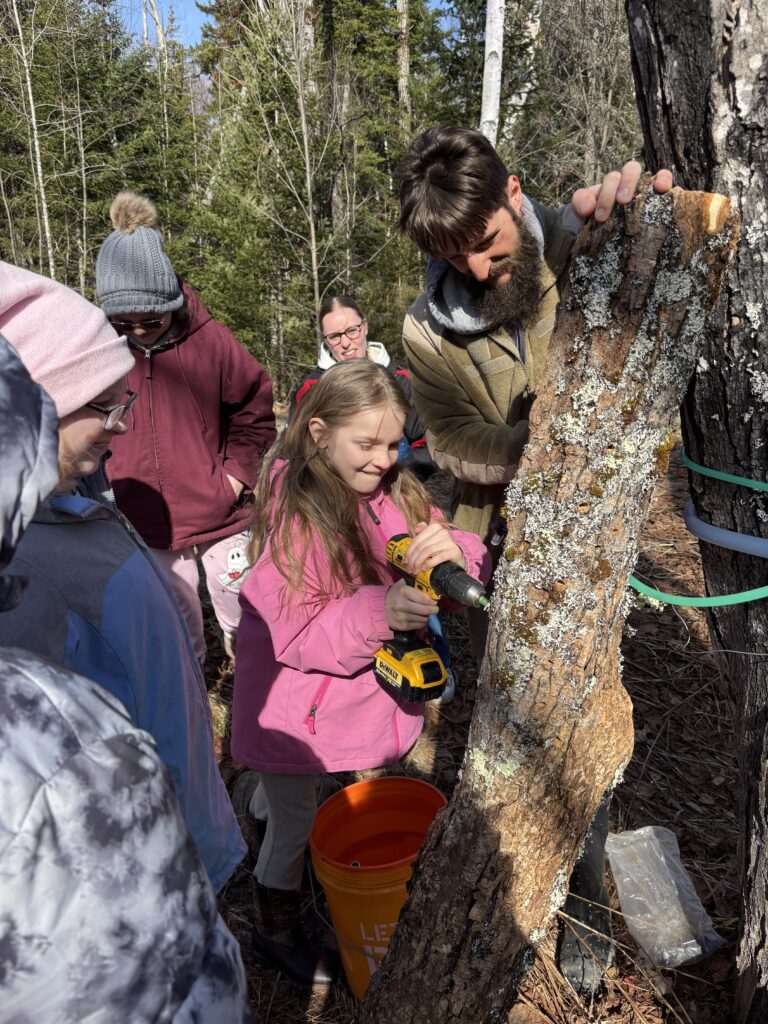
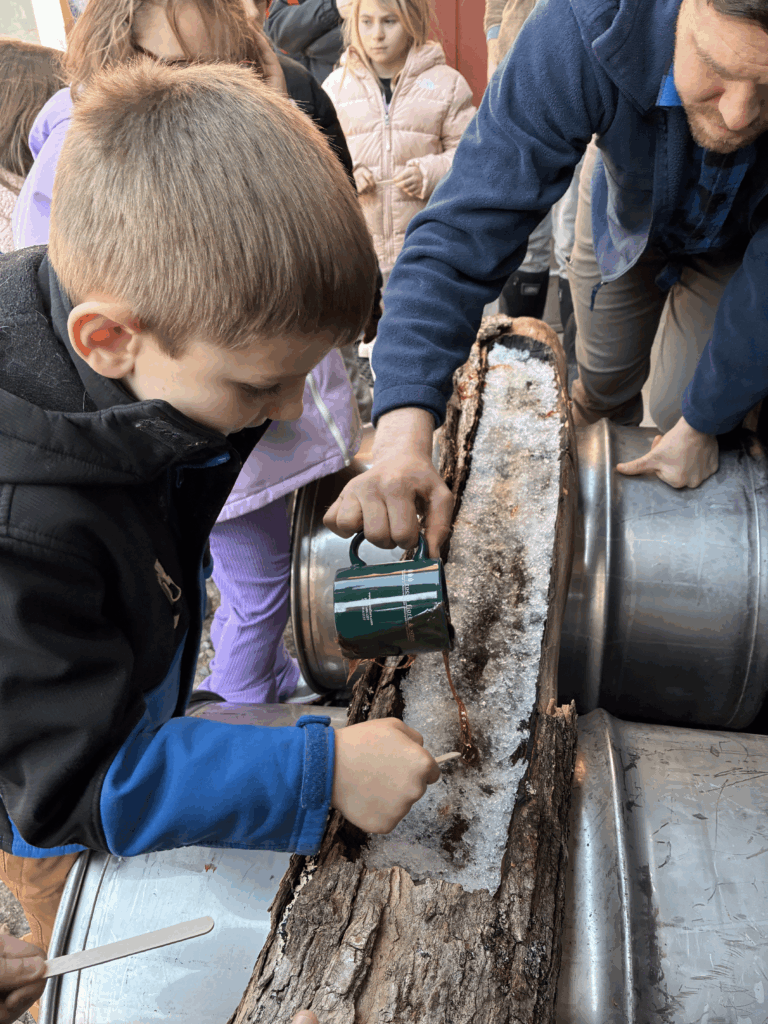
Research shows that most tourists want to travel “like a local”. They seek authentic experiences that give them a connection to the landscape and culture of the people who live here. Farms are uniquely positioned to offer such experiences to tourists through on-farm lodging, tours, and special events. These experiences also offer education about sustainable agriculture and eating local. 

3 Ways the Adirondack Harvest Program at CCE Essex is Currently Supporting Sustainable Agritourism:

  1. Boosting awareness of agriculture and sustainable agritourism across the Adirondack region, fostering stronger support for sustainable farming and forest practices.
  2. Working with collaborators to increase the visibility of agritourism and agricultural producers in existing tourism promotions. Working with the Regional Office of Sustainable Tourism, many local chambers of commerce, I Love NY, and other partners encourage friendly partnerships that enhance resource sharing and collaborative marketing efforts.
  3. Using events, communications and outreach we bolster agricultural literacy among youth and adults alike, nurturing an appreciation for the region’s natural resources.

If you’d like to stay connected to our work on this topic, check out the Adirondack Cuisine Trails, and sign up for the Adirondack Harvest Weekly email newsletter here. 

Funding for this project came from a 2024 Special Programs Grant from the Champlain Valley National Heritage Partnership

Plan or Improve Your Food Business Series

Registration is open for the Plan or Improve Your Food Business 4-part series that kicks off February 13th. This includes a session dedicated to getting recipes approved (who, when, where, how) which is a popular topic. Once registered, folks can attend one or more of the 4 online sessions. There’s also an optional in-person meal and tour at the close of the series.

Each webinar focuses on a particular facet of managing a food business. While it’s impossible to cover every unique circumstance, these sessions tackle the most common questions Extension fields from entrepreneurs considering value-added production. Sessions are held online 6:00-7:30 pm and each includes a presentation, activity for the group, plus resources to learn more after each session including recorded conversations with other small NYS food entrepreneurs. The course is led by M. Flip Filippi, who is the Harvest Kitchen Manager and Local Foods Program Leader at Extension. Her focus is offering custom advice to entrepreneurs looking to create value-added products. Flip strives to create a welcoming learning environment while simplifying the multi-layered regulatory and financial planning aspects of food entrepreneurship. She has completed Food Safety Manager’s Training, Better Process Control School for Acidified Products, Holistic Financial Planning, FSMA Regulations for Small Food Producers, Produce Safety Alliance Grower Training, and Master Food Preserver trainings.

The series kicks off on February 13 and finishes March 6. The topics for each session are:
1. Understanding Food Business Types
2. Estimating Costs of Starting a Food Business
3. Recipe Approvals, Record Keeping, and Food Safety
4. Creating Effective and Legal Product Labels.
5. Plus, all participants are invited to an in-person closing event at the Harvest Kitchen at the Extension Learning Farm in Canton on March 13th to enjoy a meal together, connect with other food entrepreneurs, and experience a mock kitchen inspection.

An entrepreneur who took part in last year’s program shared, “The course was well-balanced in terms of presentation, group discussion, and shared resources for further work. I loved getting to meet the different producers and hear their plans. Having real life examples made all of the licensing requirements, etc. make more sense. The class was an appropriate amount of time to get everyone going in the right direction. Also, the interviews with the producers and NYS food authorities were such an awesome resource and really brought all the information down to earth in an easy, understandable way.”

The registration fee is $25 for the entire online course.
Learn more and register here: http://stlawrence.cce.cornell.edu/.

Small Town Cultures Provides a Fresh Take on Fermented Foods

When it comes to versatile, yet delicious plant-based ferments, Small Town Cultures is the way to go. Founded by Lake Placid native Cori Deans, Small Town Cultures was built on the passion to heal with plant-based probiotics that are accessible and vibrantly fresh. Small Town Cultures is particularly interested in cultivating a deeper understanding of how to improve the gut biome with fermented foods—a journey that Deans originally started to heal herself from a chronic autoimmune disease when, a self-described picky eater, she had trouble finding interesting and inspired ferments to incorporate into her diet.

Small Town Cultures’ new-school approach to all natural, handcrafted, healthy preserves provides a refreshing take on the way we think of fermented foods. Made in small batches without vinegar or sugar (resulting in uniquely vibrant and fresh flavors) and then packaged in glass, Small Town Cultures probiotics revolutionize the way we eat with simple swaps for things already in your diet. Top your tacos with our fermented sliced jalapeños, pop some chopped fermented Meyer lemon on your fruit parfait, or give some bite to your next burger with their raw fermented red onions. You can treat your tastebuds while catering to a sensitive stomach at the same time, improving both your health and mood through clean, healthy foods.

Deans began creating her ferments initially for her inner circle and then in local farmers’ markets. Now the woman-owned, family-run business has expanded to hundreds of specialty stores across the country. For a location near you, try their “Find Us” locator.

To show you how easy it can be to incorporate plant-based probiotics into your everyday diet, she’s sharing this recipe for a colorful, crunchy salad with a simple blender dressing! Using her Turmeric Kimchi gives it a bright acidity, pleasant funk and the lovely yellow color from the turmeric and carrots to the final vinaigrette.

Chunky Avocado Salad with Kimchi Vinaigrette

Serves 4

Vinaigrette Ingredients:

½ cup Small Town Cultures Turmeric Kimchi

⅓ cup grapeseed or canola oil

2 Tablespoons unseasoned rice vinegar

1 Tablespoon fish sauce

½ teaspoon granulated sugar

Salad Ingredients:

2 ripe Hass avocados

5 Persian cucumbers, chopped

6 radishes (1 bunch), trimmed and quartered

Flaky sea salt, for sprinkling

2 scallions, trimmed and thinly sliced on the bias

Small cilantro sprigs and crispy garlic chips (see Note), for garnish

Instructions:

1. Make the vinaigrette in a blender by combining all of the ingredients plus ¼ cup of water. Puree until mostly smooth. If your vinaigrette is too thick, gradually add more water one teaspoon at a time until your dressing is pourable.

2. Make the salad using a sharp chef’s knife; halve the avocados and remove the pits. Cut each avocado half in half lengthwise. You should have 8 avocado quarters. Remove the peels and cut each quarter in half crosswise.

3. To complete the dish, in a large shallow bowl or on a small platter, arrange the avocado, cucumber and radishes. Drizzle with some of the kimchi vinaigrette and sprinkle with flaky sea salt. Garnish with the scallions, cilantro and crispy garlic chips, if using. Serve right away, passing more vinaigrette at the table.

Note: For the garlic chips, thinly slice 6 large cloves of garlic. In a small cold skillet, combine the garlic and ¼ cup of grapeseed or canola oil. Cook over moderate heat, stirring occasionally until the garlic is golden brown, 2 to 3 minutes. Using a slotted spoon, transfer the garlic chips to a paper towel-lined plate to drain and season with salt. Reserve the garlic oil for another use.

Earth Day 2023 -Support the Planet: What’s Your Food Print?

Learn how you & your family can reduce your “Food Print” at the Ticonderoga Natural Foods Co-Op this Earth Day!

Workshops & Activities include: * What’s Your Food Print? * Seed Starts for Kids * Worm Composting Demo * Local Farms Scavenger Hunt * Flower Starts for Adults * Story Hour & Up-cycling Craft * The Connection Between Food Waste & Climate Change

Sample Food from your Local Farmers: * Lillie Valley Farm * Crown Point Dairy * Crown Point Bakery * Daughters Five * Juniper Hill * North Country Creamery

Wood Fired Pizza Party

The hot flames, bubbling cheese, and a sourdough crust – all make for a memorable pizza!

Learn how to make delicious sourdough pizza dough with local whole grains, which includes many techniques to use at home in any oven.

It’s going to be party as well. Bring your appetite. As the dough rises, we will nosh and celebrate local food with a grazing plate from our friend’s farms.

Lots of hands-on fun from kneading dough to peeling pies of hot pizza out of the oven. In addition to classic Neopolitan style pizzas, vegan options and even a dessert pizza will be served.

Whole Grain Pie Class

Just in time for Thanksgiving, our whole grain pie class will give you the skills necessary to bake a nutritious pie crust using local wheat.

In this class, we will:

Stone mill some Sirvinta Winter Wheat (locally grown by Cedar Hollow Farms in Altona)
Then we’ll craft some flaky pie crusts and share recipes for:

Fruit Pies
North Country Quiche
Sweet & Savory Rustic Galettes
Plus everyone will receive 2 lbs of freshly-milled flour to take home
Tea, coffee and light refreshments will be served.