The cost of everything has increased in the past year. But the rise in egg prices has been particularly notable.
The average cost of a dozen commercially produced eggs grew by around 50% in the past year, compared to a 12% increase in price for chicken, and a 15% increase in milk prices.
In the Adirondacks, a dozen of commercial conventionally raised eggs could reliably be purchased for around $3 now costs closer to $5-6.
There are several reasons why eggs specifically have been impacted, including a national outbreak of avian flu among commercial poultry facilities that began in March of 2022.
According to the CDC, “Since early 2022, more than 49 million birds in 46 states have either died as a result of bird flu virus infection or have been culled (killed) due to exposure to infected birds.” So far the avian flu has most severely impacted commercial egg and poultry producers in the Midwest, where flock sizes range from 10,000-1,000,000 birds. Increases in fuel, feed and labor costs also contribute to the national price hike.
So, if you’re going to pay $5-6 a dozen for eggs at the grocery store, why not buy them from a local farmer instead?
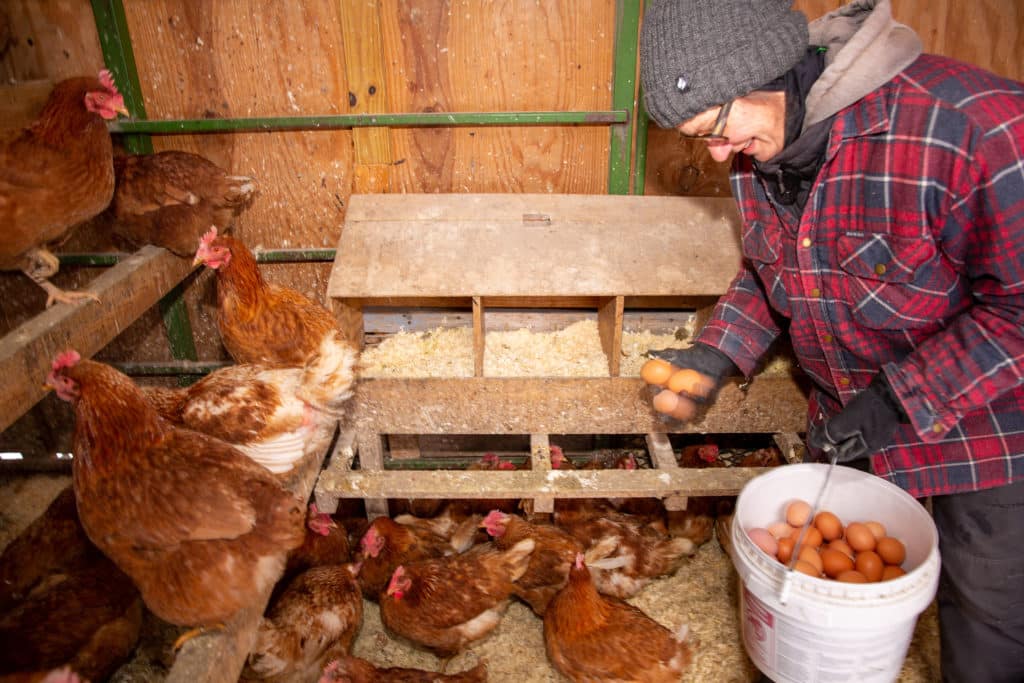
While the cost of grocery store eggs has risen a lot, the cost of local eggs has been relatively more stable. On average, the price of local eggs has only grown by only a dollar or so in the past year. Right now in the Adirondack region, local eggs cost around $5-6 a dozen, about the same price as mass-produced eggs from the Midwest. Not only would you get a better quality egg by purchasing from a local farm, but your dollars would also go directly to farms and small businesses in your community.
In these times of increasing feed, fuel, and labor costs, you may choose to use your dollars to support our Adirondack farmers.
There are many reasons to love locally grown beets, they are affordable, easy to prepare, and available almost year-round. Beets are full of nutrients and vitamins not commonly found in other vegetables. According to the Cleveland Clinic, they are high in fiber, vitamins, minerals, antioxidants, and anti-inflammatory properties. But, for many reasons, beets have earned a tough reputation in the United States.
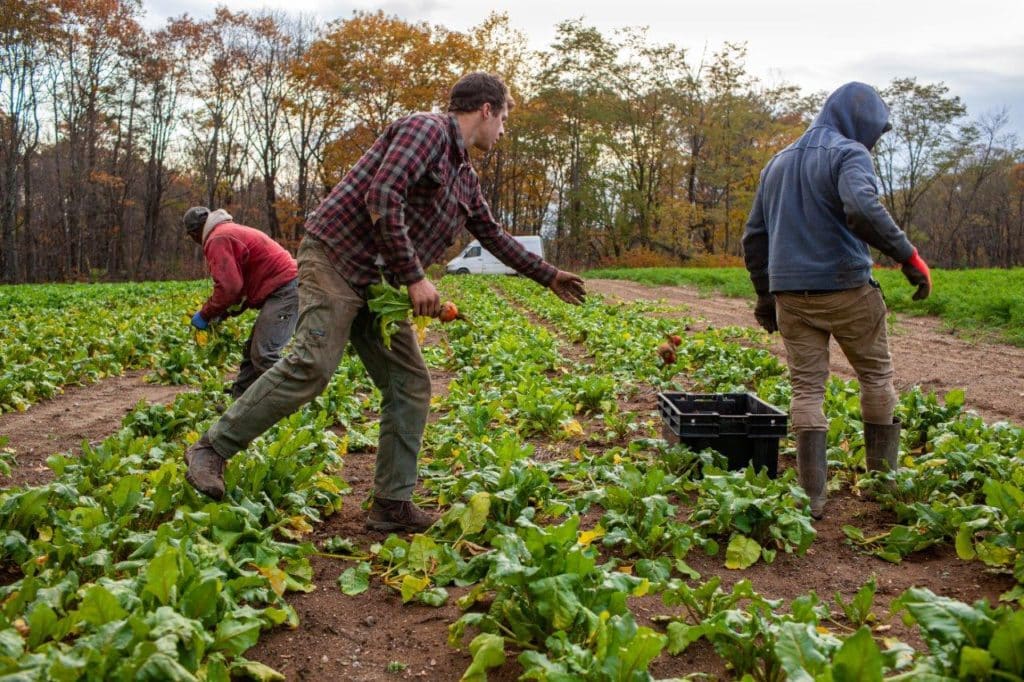
Photo: Beet Harvest at Juniper Hill Farm by Ben Stechschulte
People either love them or hate them. Their “earthy” flavor comes from a compound called geosmin, which is also the same compound that we associate with the smell of “fresh rain” and “forest soil”. Some people are much more sensitive to this compound than others, that is why some people say they taste like dirt, and others love them. There are a few ways that beets can be prepared that mask their “earthy” flavor that will make even skeptics appreciate beets.
3 Ways to Cook Beets So They Don’t Taste Like Dirt:
Pair them with bright, fresh flavors- By adding vinegar, lemon juice, fresh herbs, tangy cheese or yogurt to your dish, you will help balance the flavor. This is why you commonly see roasted beets and goat cheese together.
Roast or sautee them – The most popular, and arguably most versatile preparation for beets is to roast them. Some people roast, then remove the skins, others use a veggie peeler to remove the skin before roasting. If they are grown organically, you can scrub them well and keep the skin on if you choose! Roasted beets are a great side dish, salad topping, and snack option.
Eat them raw- Choose firmer beets and thinly slice, grate, or spiralize them and dress with a little vinegar and oil. Use as toppings for salads, tacos, wraps, and whatever you enjoy.
1 lb (8 cups) beets spiralized or shredded using a spiralizer tool, food processor, or box grater
2 tablespoons sesame seeds
2 tablespoons vinegar of your choice
1 tablespoon toasted sesame oil (or other vegetable oil)
2 teaspoons freshly-grated ginger (2-inch piece)
1 tablespoon maple syrup
2 teaspoons soy sauce
2 teaspoons lime juice
Kosher salt and freshly-ground black pepper
¼ cup chopped fresh herbs like parsley or cilantro (optional)
Directions
Heat sesame seeds in a dry skillet over medium. Cook, stirring occasionally, until lightly golden brown and fragrant, 3 to 4 minutes.
In a large bowl, toss together beets, rice vinegar, sesame oil, sesame seeds, ginger, soy sauce, lime juice, kosher salt and freshly-ground black pepper to taste, and fresh herbs if using. Serve right away, or prepare ahead and keep refrigerated.
Where to Buy Local Beets
You can find beets wherever local veggies are sold near you! Find farmers’ markets, local food retail locations, and farmstands open during the winter at AdirondackHarvest.com.
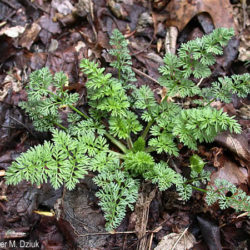
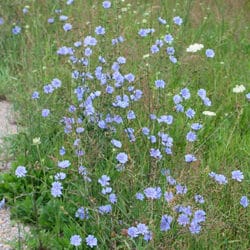
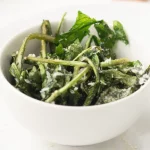
An exciting part about early spring is the emergence of wild edible plants you may know as “weeds.” Collecting wild edible plants in the spring can be a really lovely way to connect with the micro-climate of your area and celebrate the spring season. There are a few things you should know about harvesting wild plants before you begin digging in.
TIPS FOR SUSTAINABLE HARVEST
-Never pick or collect rare, at-risk, vulnerable, or endangered plants
-Always identify a plant with 100% confidence before you touch, pick, or harvest from it
-Take only what you need, leave at least 75% of what you find
-Never harvest wild plants near roadways, powerlines, or anywhere near potentially contaminated water or soil
-Never harvest on land without permission of the landowner
-Consult your physician when using wild plants with medicinal properties and test for an allergic reaction to the plant before consuming it
Meier’s Artisan Cheese is a dairy farm and artisan cheese plant in Fort Covington NY that makes cheese with milk from their own Holstein and Jersey cow herd. Meet the owner and operator Dan Meier, and learn about how their cheese is made, from field to fork.
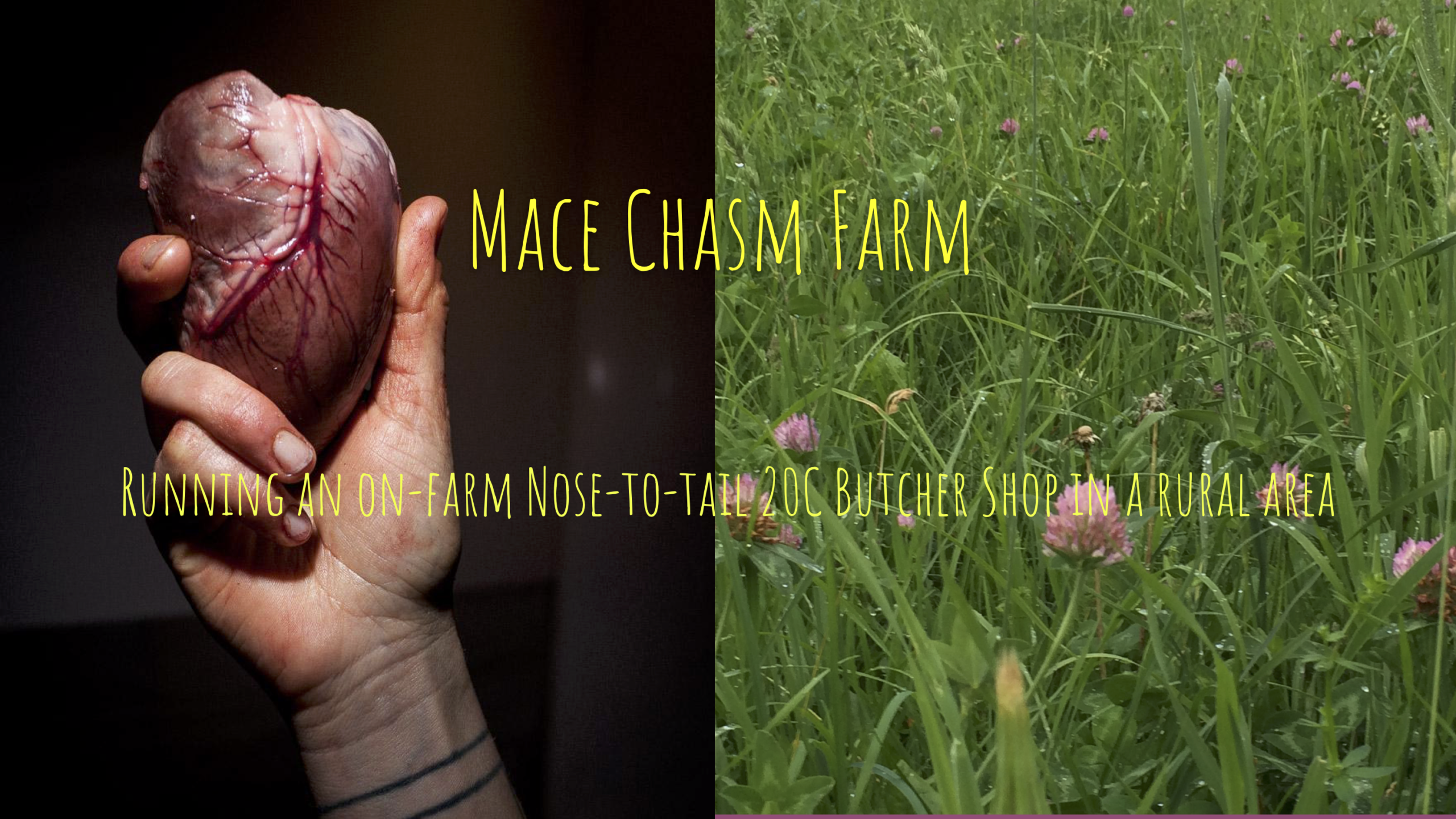
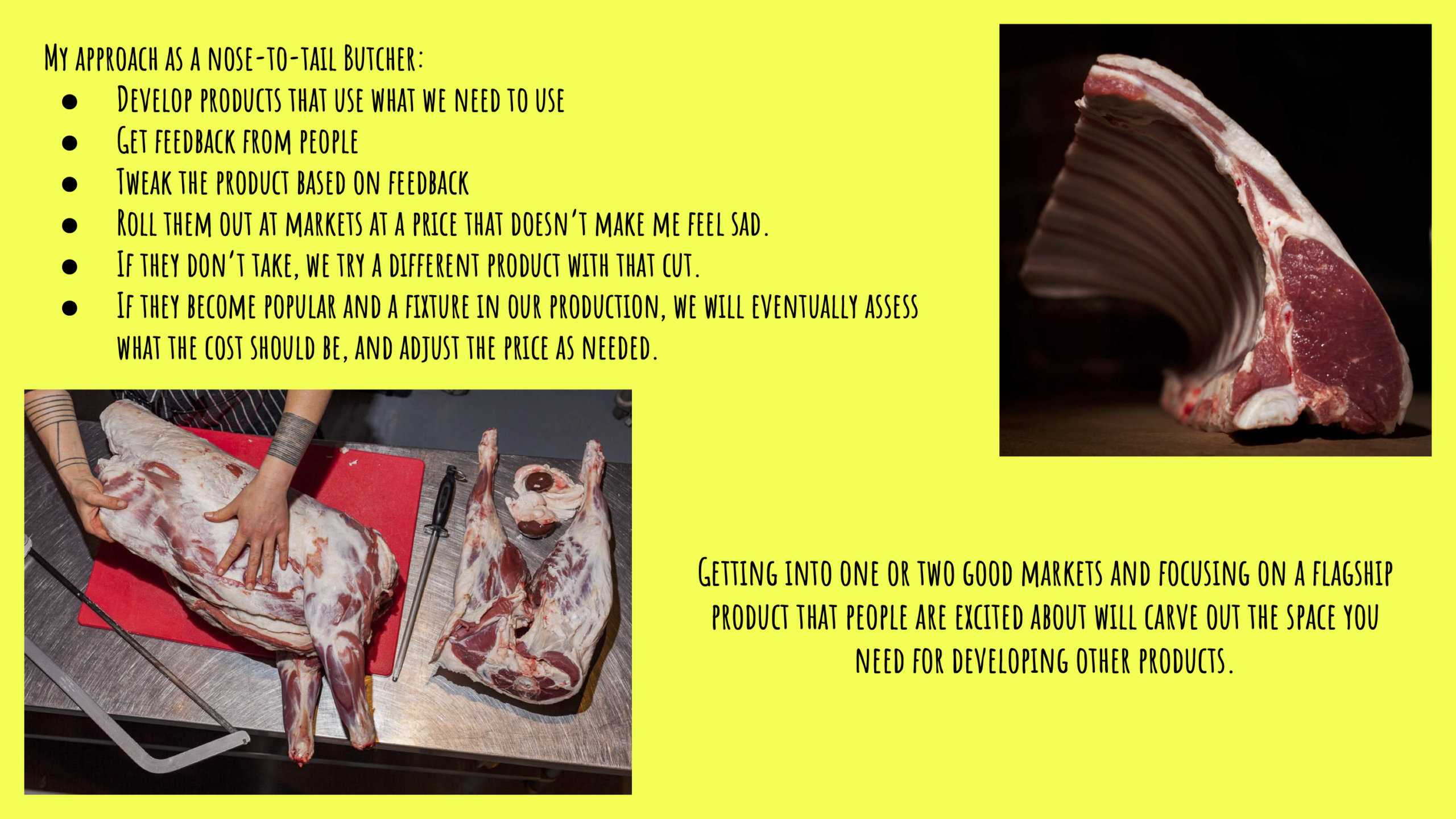
Courtney Grimes-Sutton, Owner, Operator, Farmer and Butcher of Mace Chasm Farm in Keeseville, NY. Courtney offered a presentation at the 2022 New York Organic Farming Association of New York’s Winter Conference on “Finding a Niche Market for your Meat”.
Her presentation offered a unique look into “how the sausage is made” at Mace Chasm Farm which was interesting and helpful for both producers and consumers.
We wanted to share it with you so that you could also see how Mace Chasm Farm specializes in custom-cut meats sold directly to consumers that are processed in an on-site butcher shop.
How Mace Chasm Farm Has Found a Niche Market for their Meat
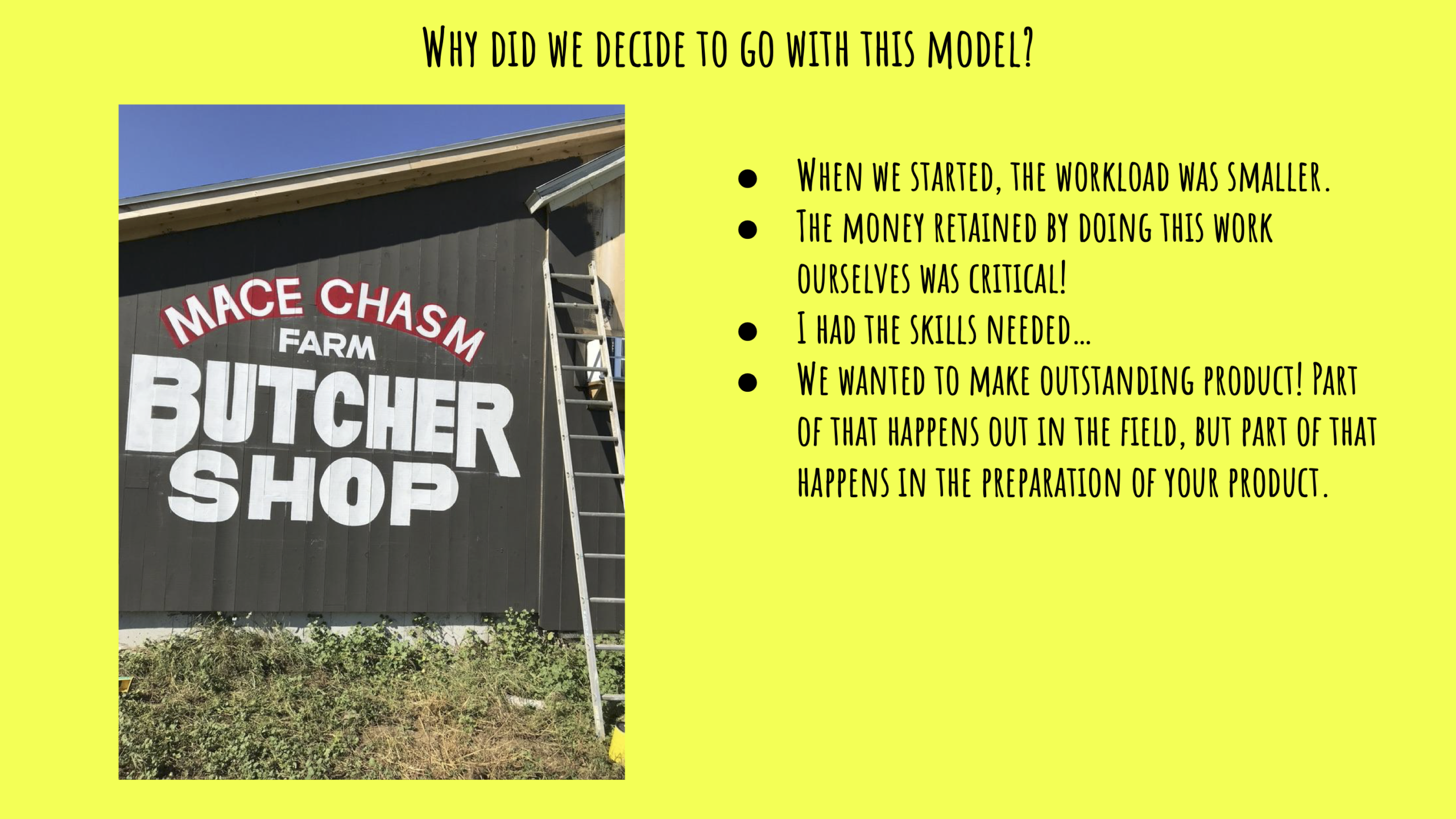
Mace Chasm Farm is located in Keeseville, NY
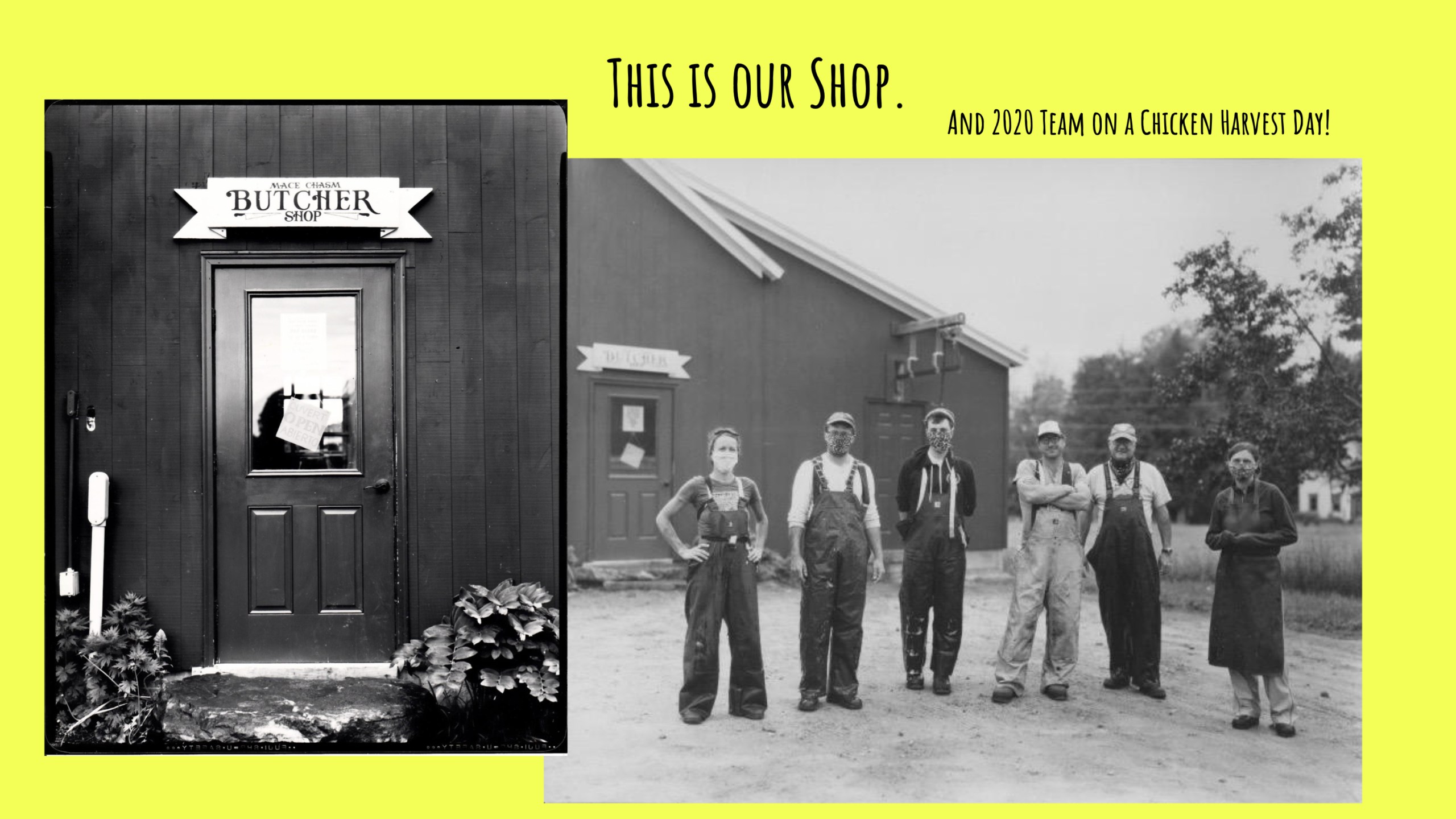
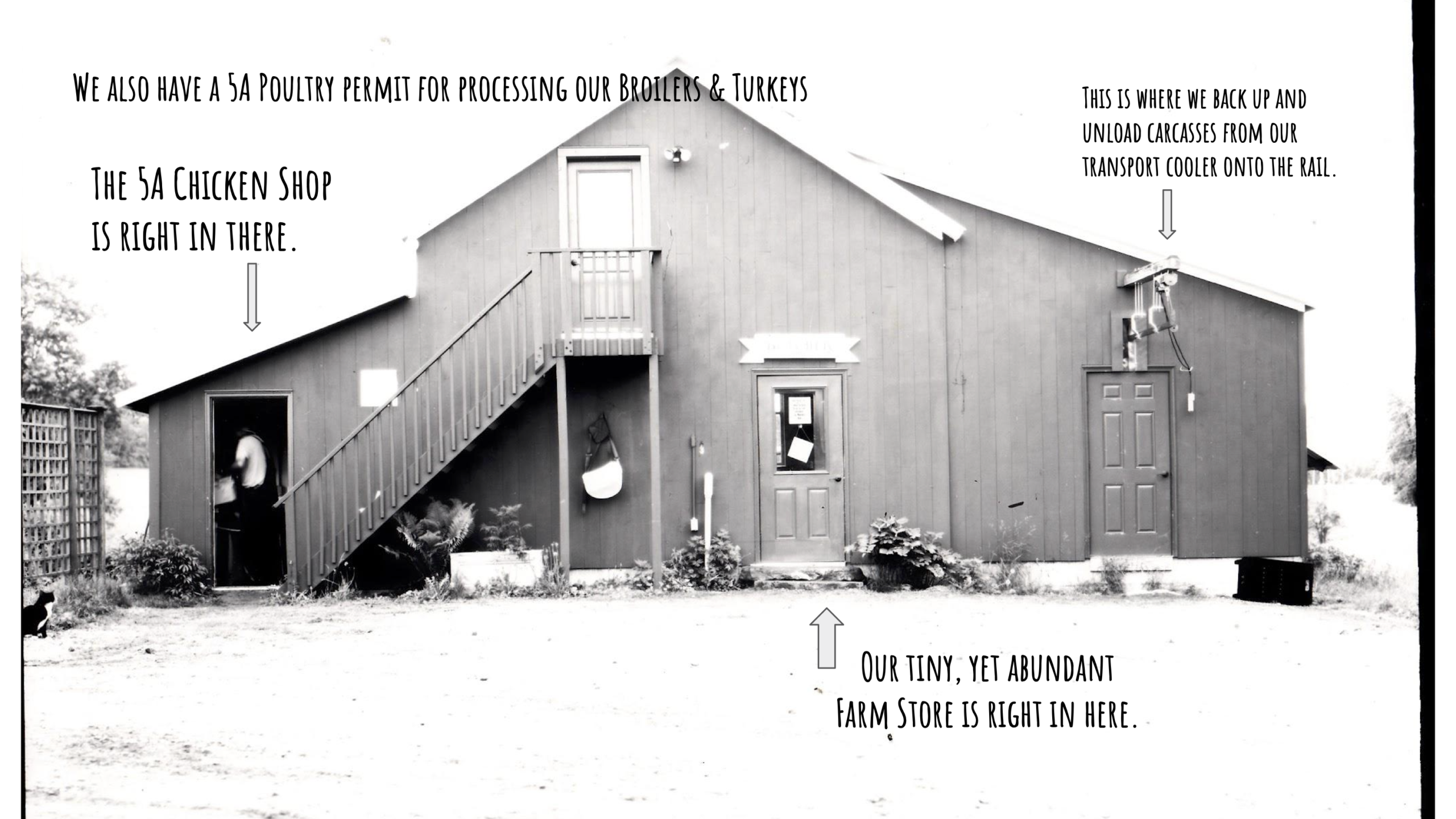
Their farmstore is a small, self-serve space attached to the butcher shop. Customers can grab pre-packaged fresh cuts.
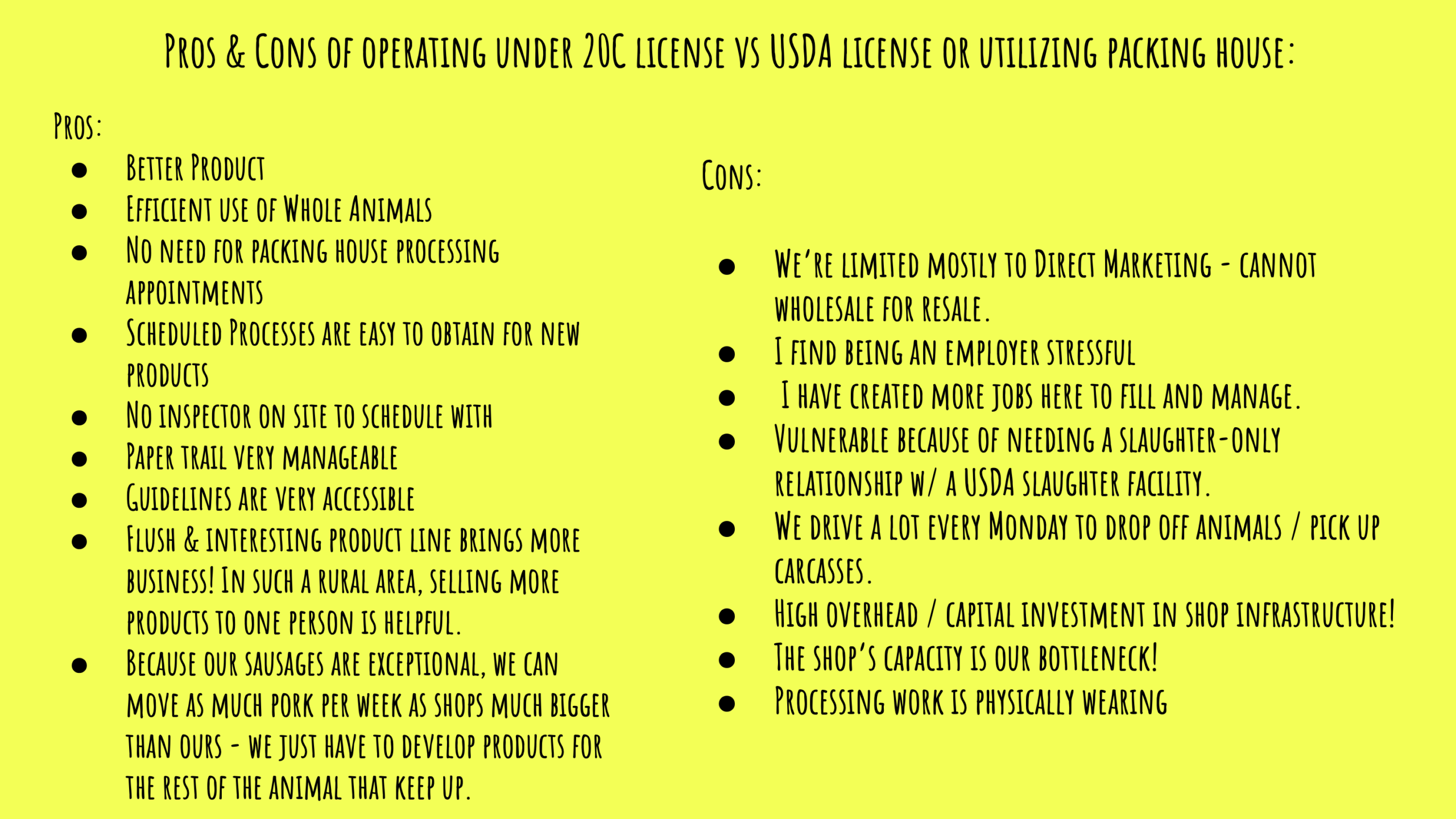
They slaughter and process chickens and turkeys on-site in their “5a” facility, and break down and process pigs and cows that have been slaughtered at a USDA facility in Vermont in their “20c” space.
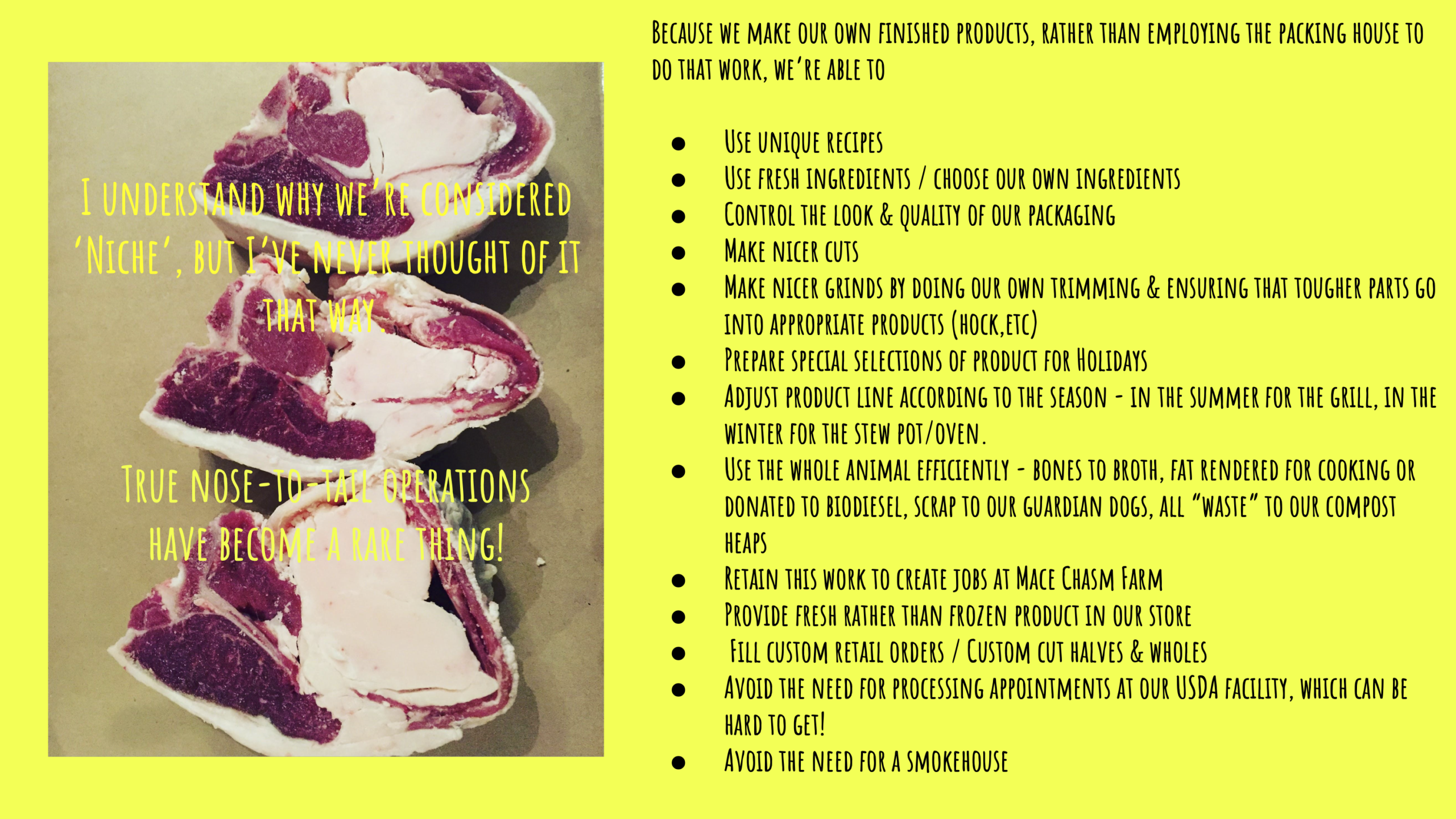
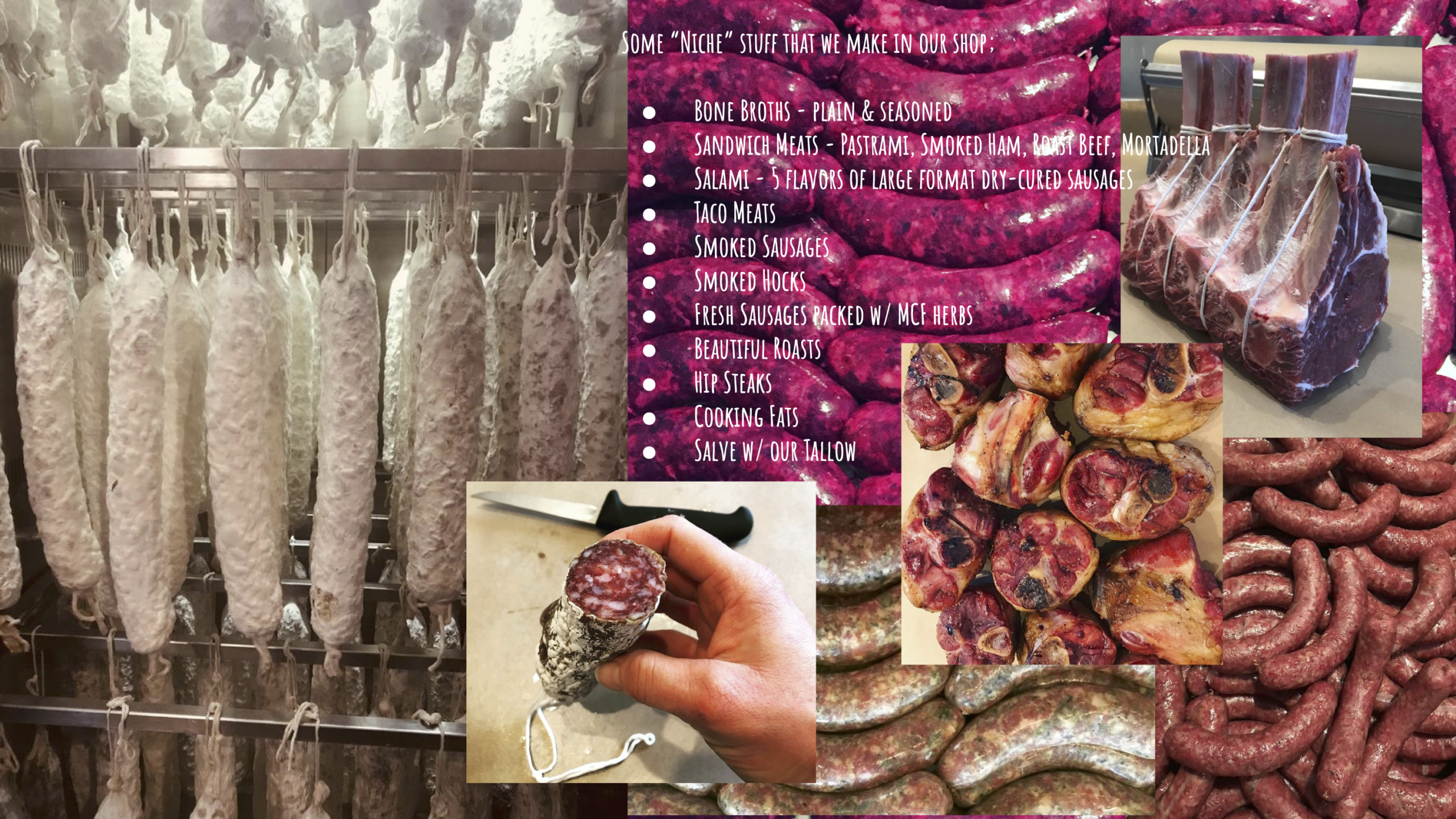
Their full line of products are intended to utilize all parts of the animals they raise and offer unique products their customers can’t buy locally elsewhere.
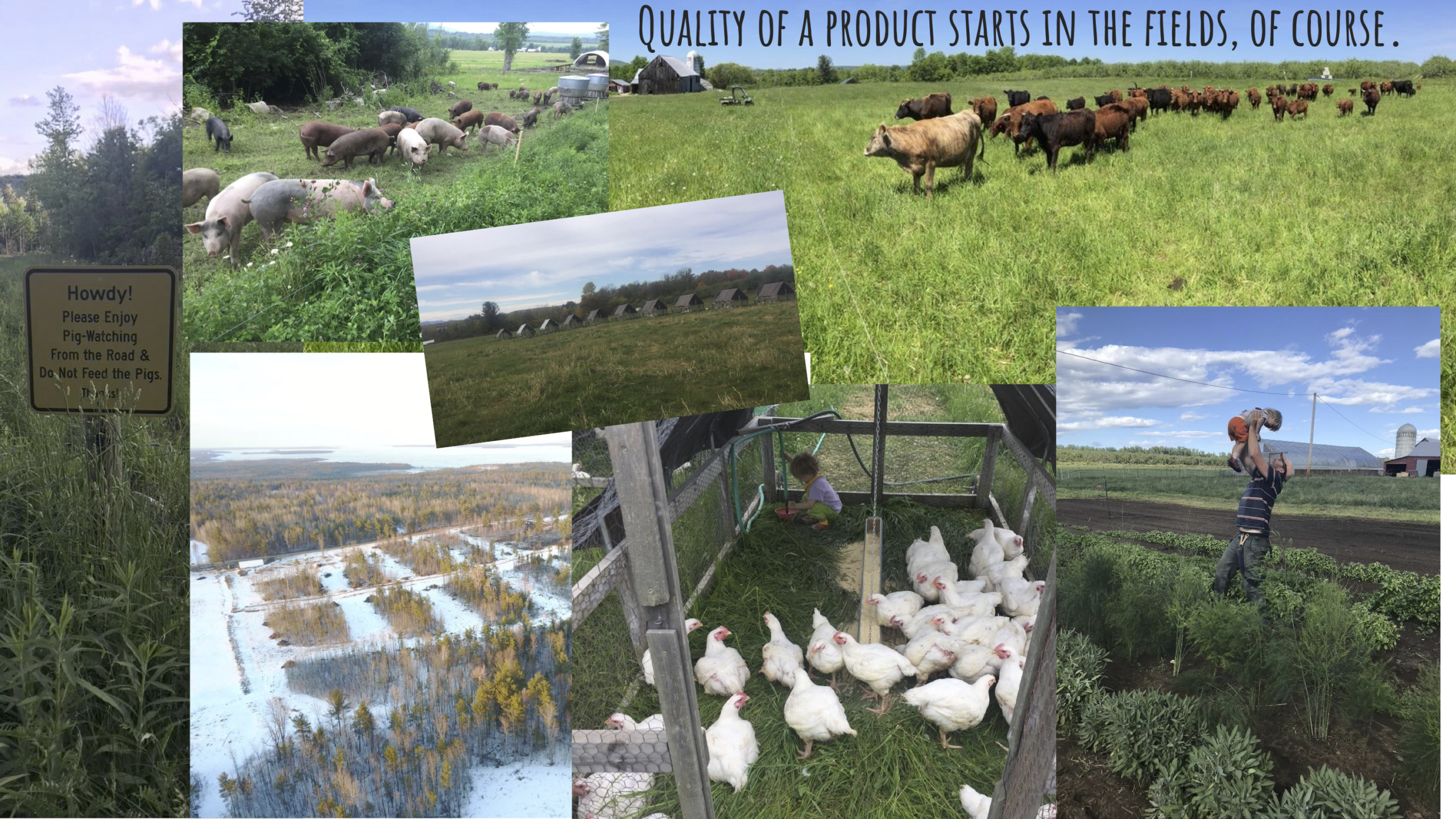
The process of providing great products starts with healthy and happy animals.
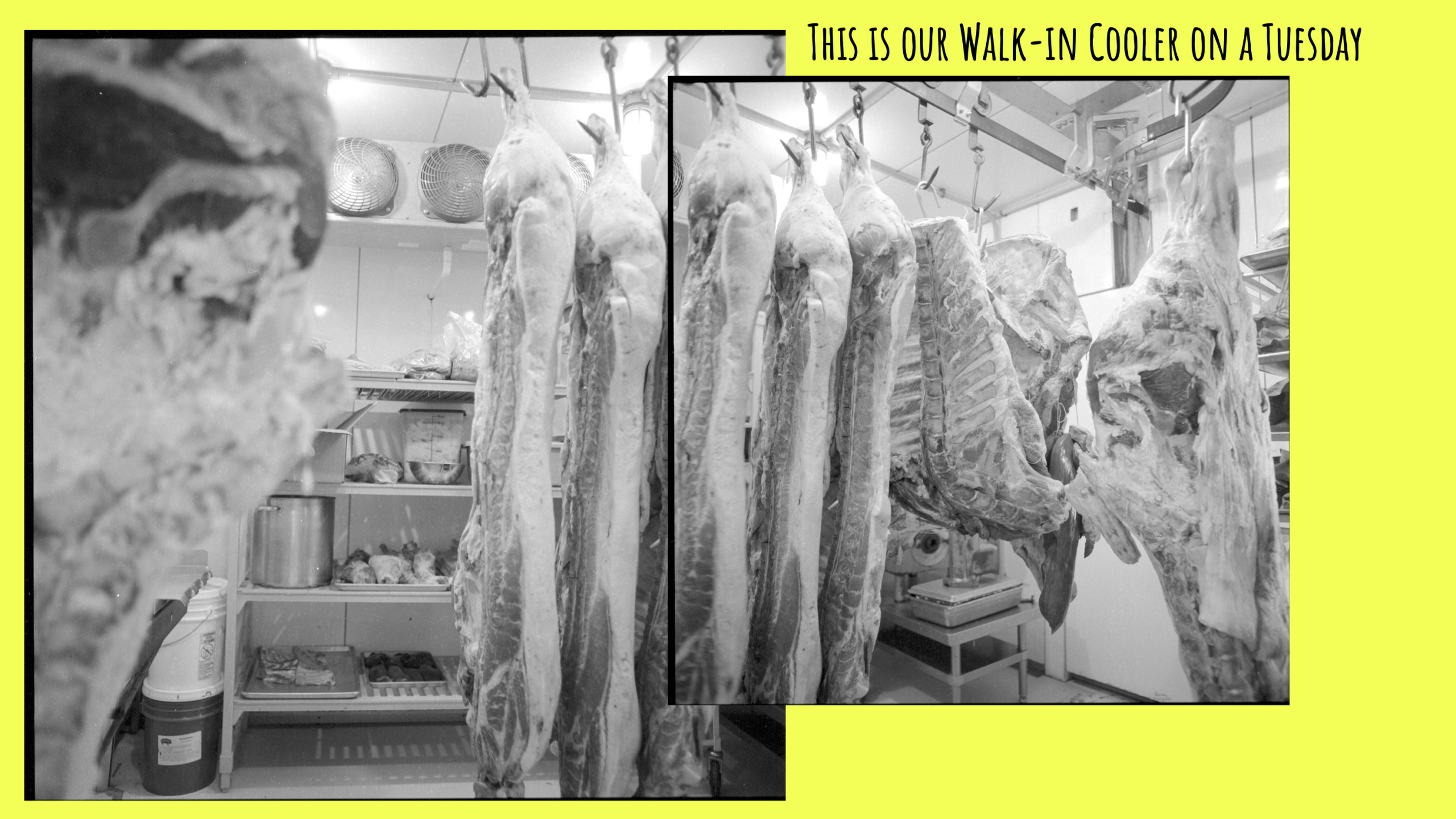
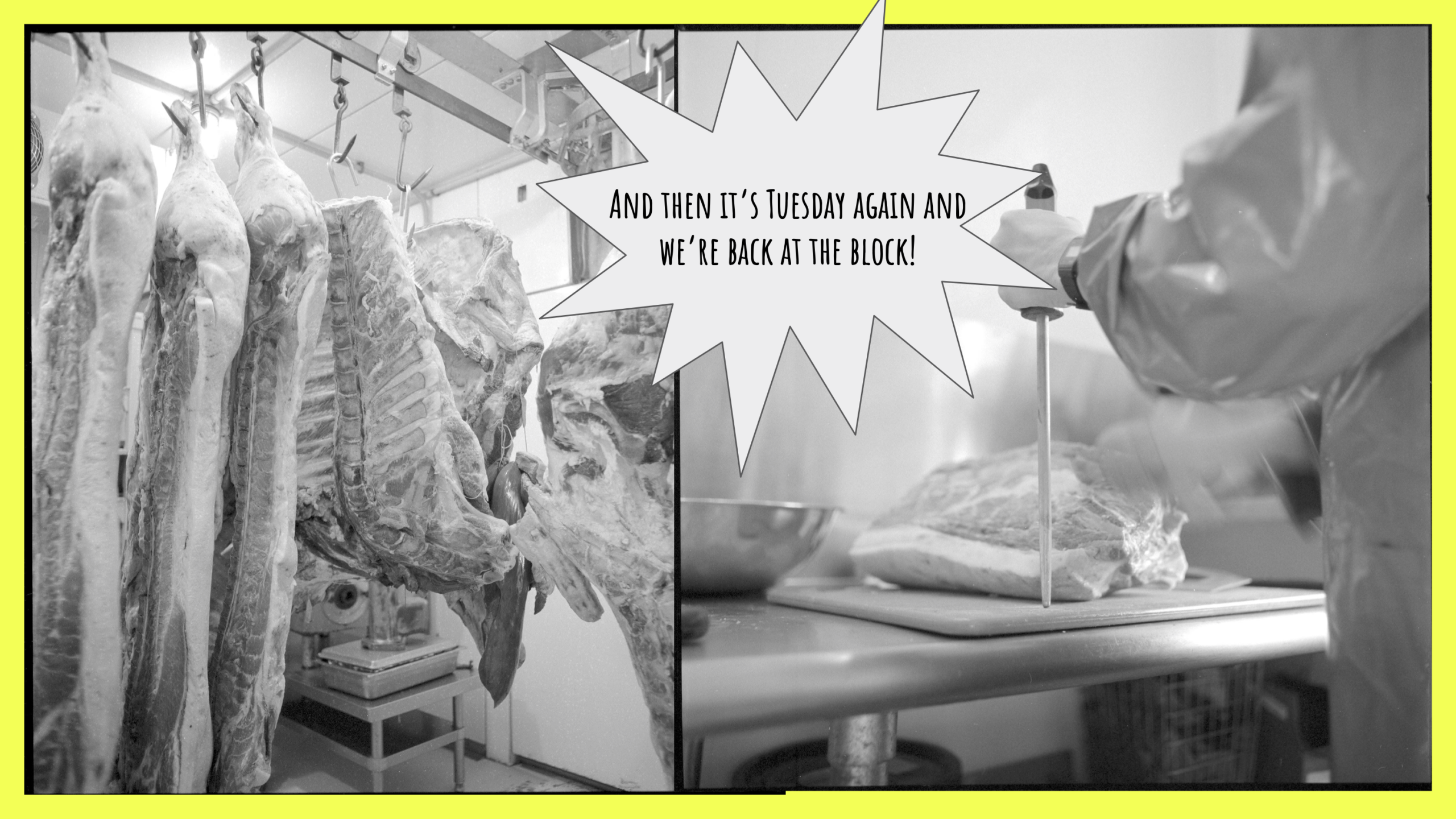
Their butchering process starts on Tuesdays, when they break down the pigs and cows that were slaughtered last week and brought back to the farm on Monday.
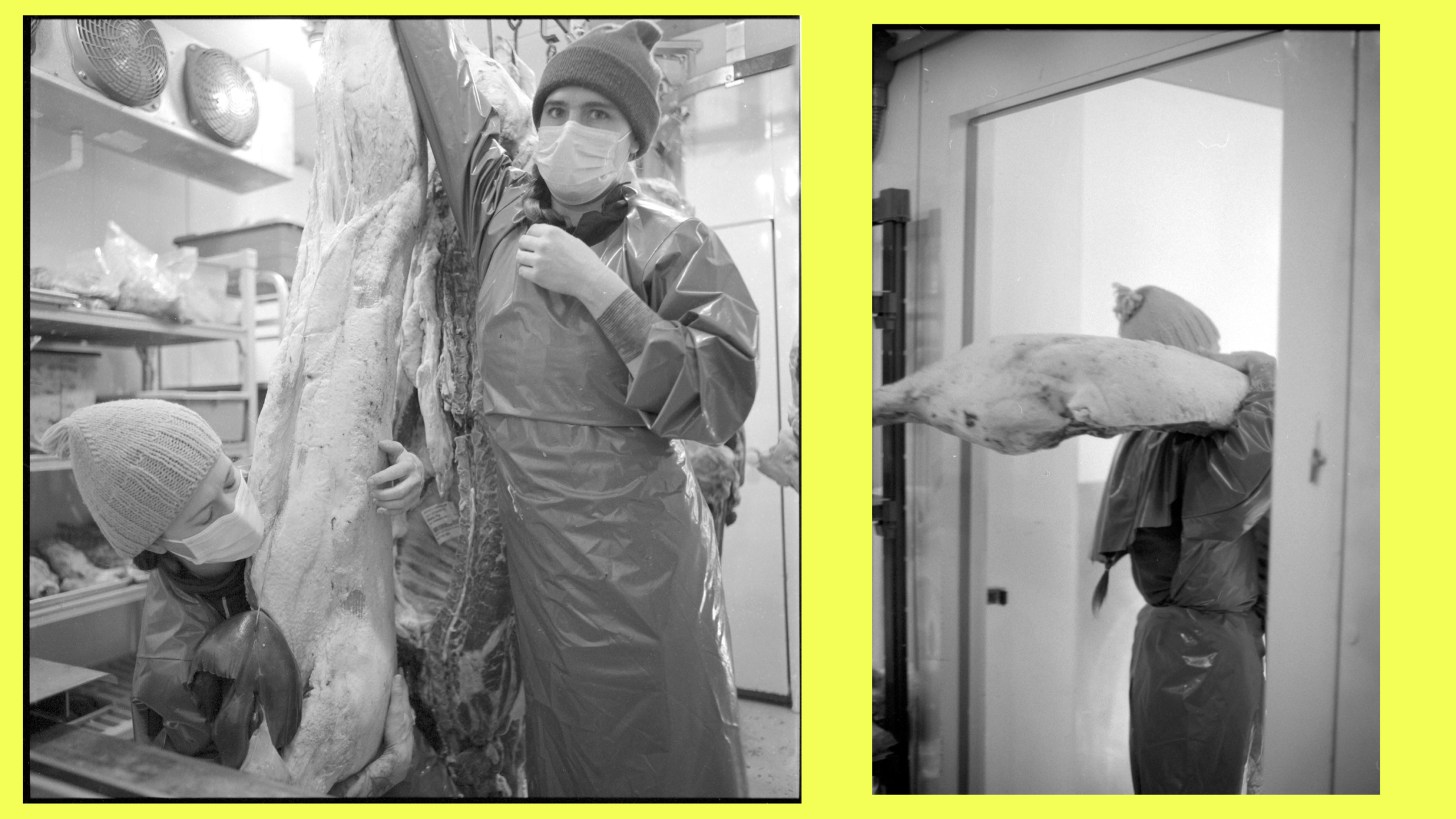
Three butchers work in their shop from Tuesday-Friday each week.
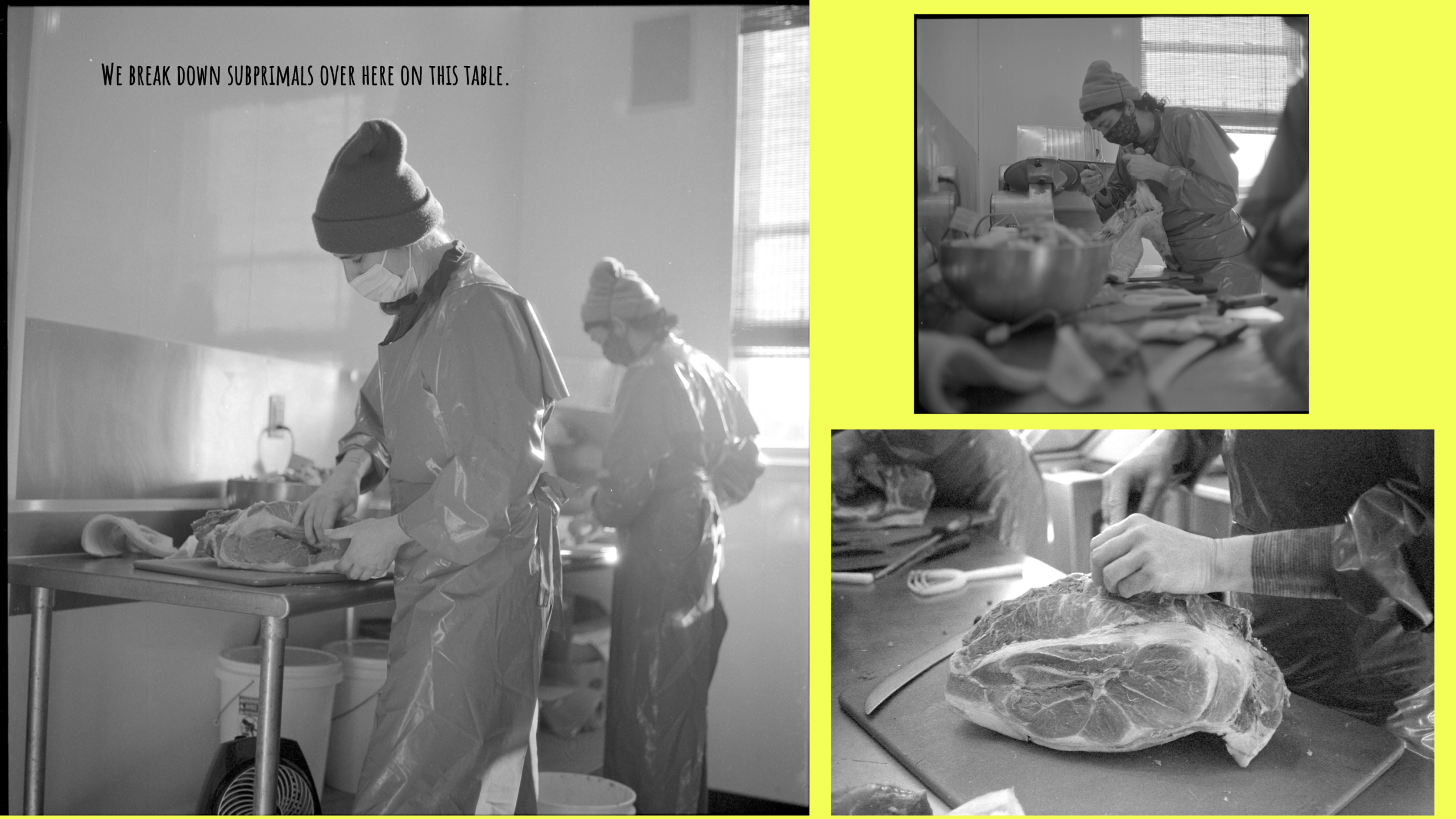
This is where carcasses are broken into “sub-primals”, or smaller, but not final cuts.
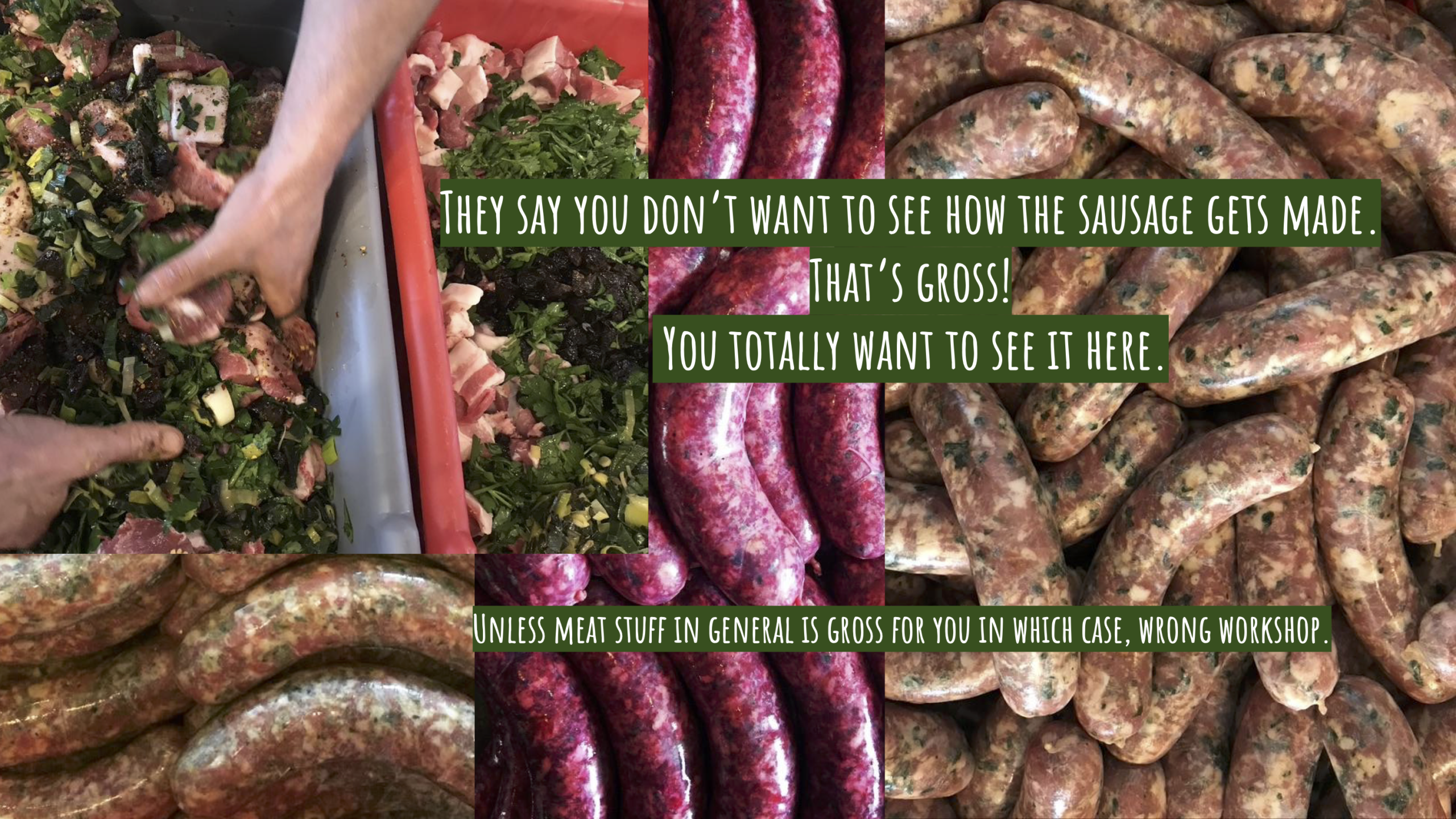
Here you can see the team making trim for sausages and grinding the ingredients, preparing roasts, finishing cuts on products.
Then “sub-primals” get broken down into secondary, or portion cuts.
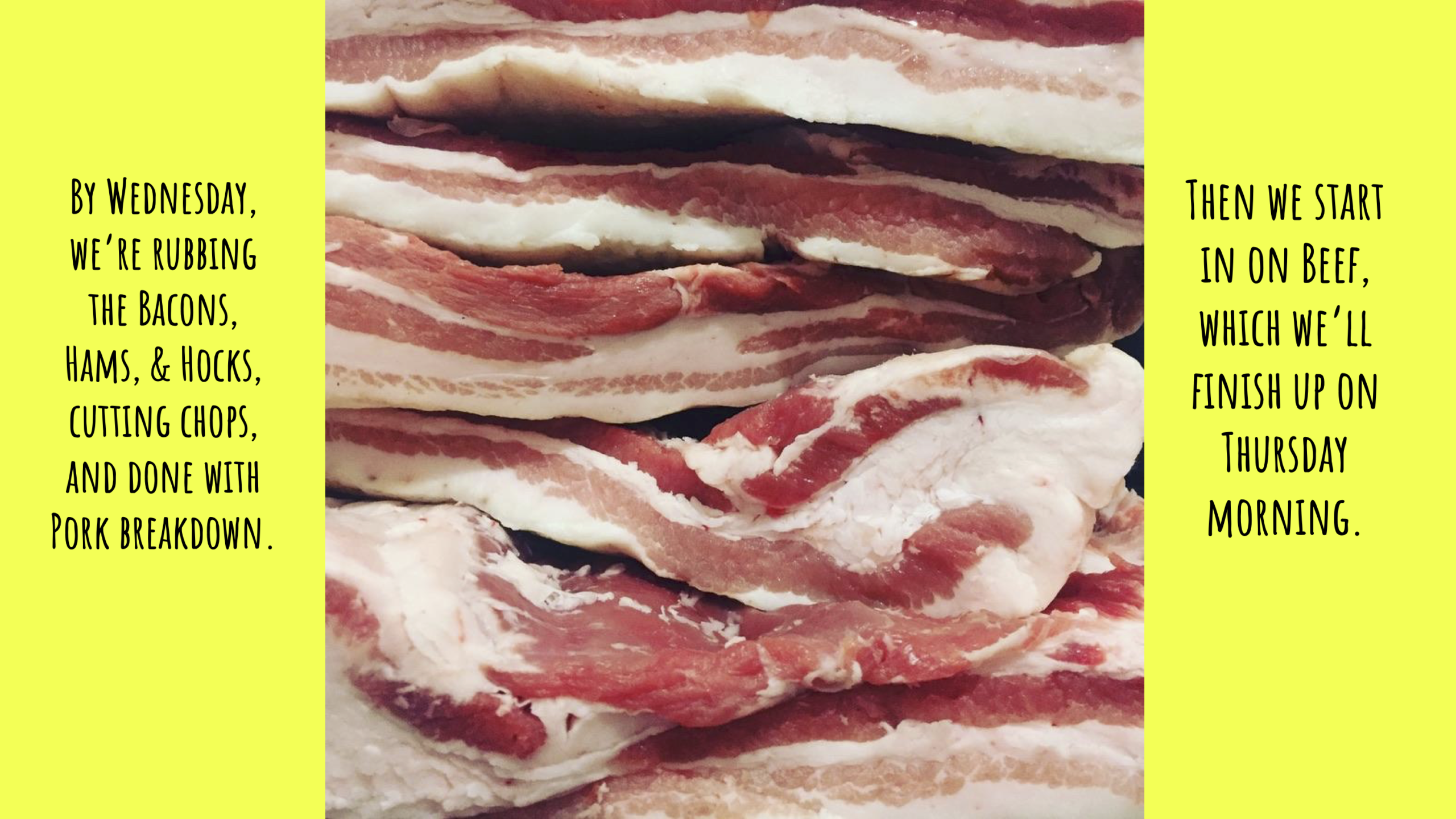
On Wednesdays the team finishes pork products like bacon.
Thursdays and Fridays are dedicated to finishing work, like harvesting fresh herbs and making sausage.
Their incredible sausage is their flagship product.
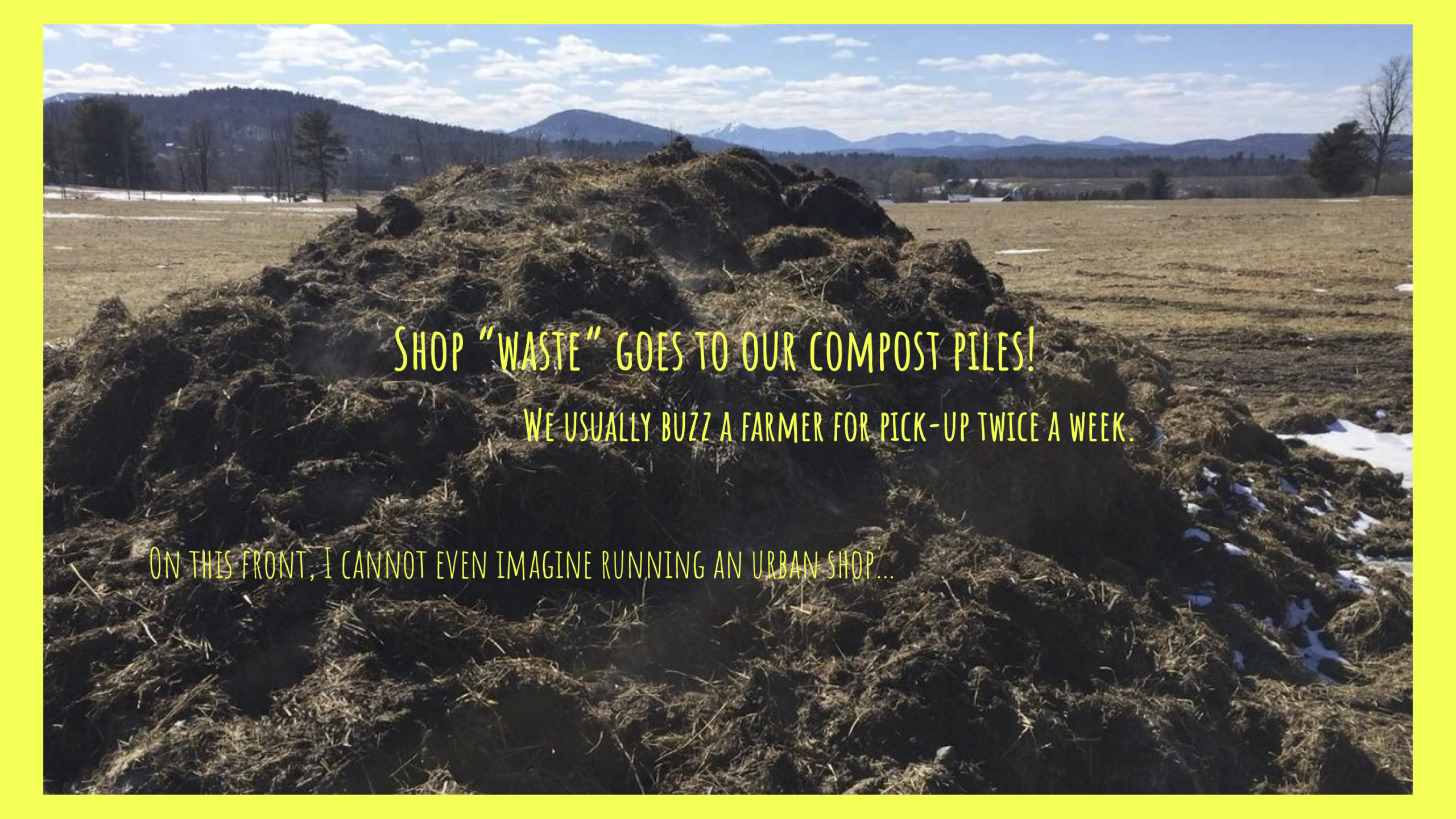
All waste is then turned out to the compost pile, which is shared with other area farmers.
Saturday and Sunday is spent at farmers’ markets. Pictured, the winter Farmers’ Park-It which Courtney calls says is like a “little agricultural NASCAR team” of farmers and volunteers loading orders into customers vehicles.
They bring 1 cow and 5 pigs to the slaughterhouse each week, and bring back carcasses of the 1 cow and 5 pigs they brought last week.
They utilize all parts of their animals, especially in their range of bone broths.
This model helped utilize Courtney’s existing skill-set and limited access to capital when starting the farm.
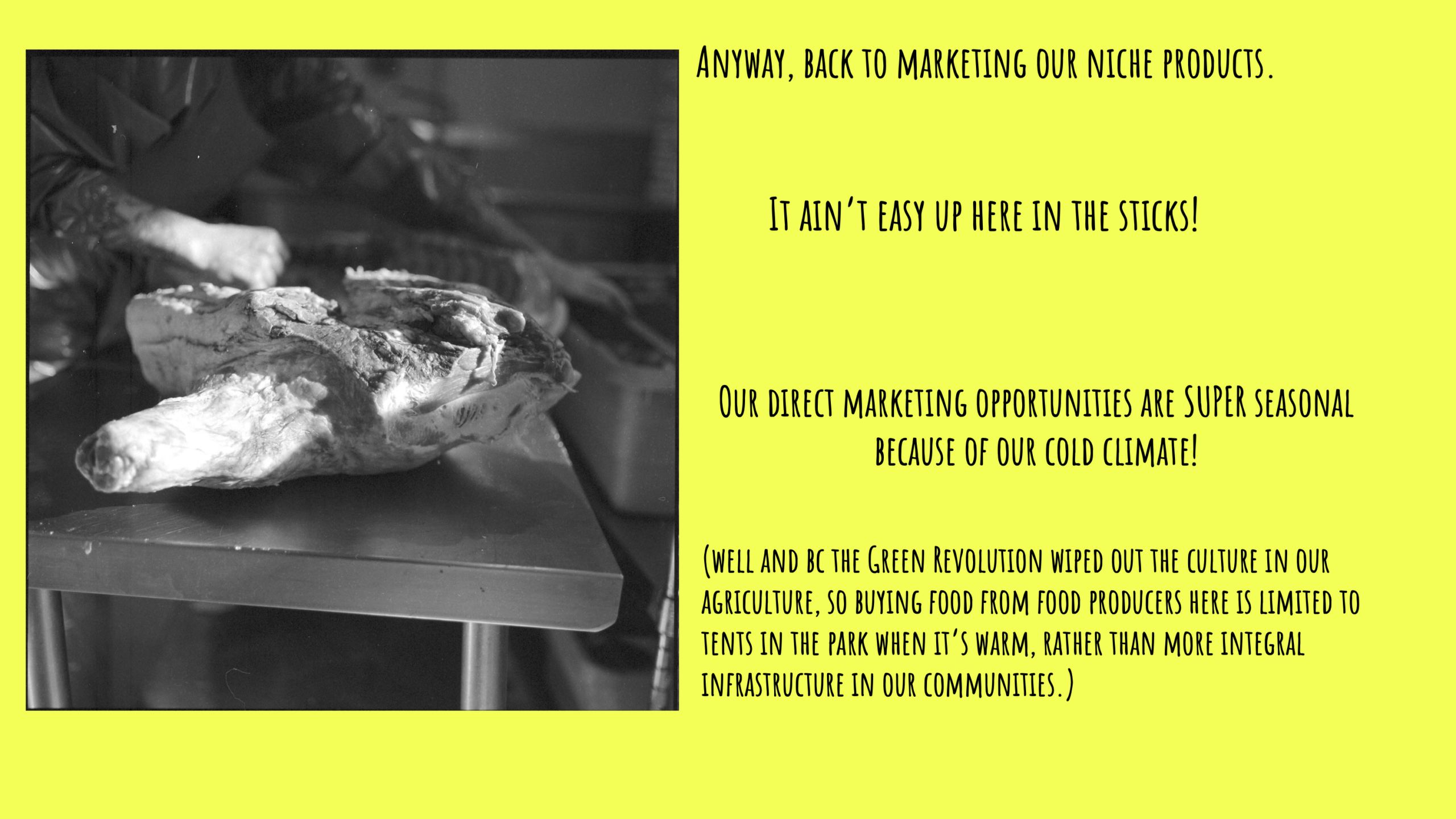
Because of this model, they have to sell their products directly to consumers, which can be challenging in a rural, seasonally populated area.
A glimpse into Courtney’s head…
Considering Courtney is the Head Butcher, and her salary is re-invested back into the farm, a rough cost comparison shows that doing custom cuts on-site is more cost effective.
Consistency in product quality is important with a small target market.
Courtney says it is important for producers to develop a flagship product that uses a lot of your commodities first to establish farm loyalty and trust from customers.
The 2021 MCF team.
Summer and fall is the busiest, and most exciting time of year. Winter and spring are harder months with slower sales.
Courtney says that individual farm survival feels like a “crapshoot”, but hopes the survival of individual farms leads to collective survival, and a stronger food system.
Learn more about Mace Chasm Farm at their website at macechasmfarm.com
To buy their pork, chicken, 100% grass-fed beef, and seasonal whole turkeys:
By Meghan Dohman, CCE Essex Farm to Institution Educator
The Cornell Cooperative Extension of Essex County (CCE Essex) Farm to School program is an educational outreach initiative that works to increase the amount of locally grown, healthy foods in school meals. This program also provides area schools with classroom lessons on local food and agriculture, visits to farms and farmers’ markets, and assists in the creation of school gardens.
CCE Essex developed a formal Farm to School program in the fall of 2018 after the success of the grassroots “Adirondack Farm to School Initiative” in Clinton, Essex, and Franklin Counties. Since the onset of CCE Essex’s program there has been immense growth; with the number of participating districts increasing from 12 to 18, over $100,000 being spent on local food, and nearly 8,000 students being educated about local food and agriculture.
When the Covid-19 pandemic began, Farm to School programs across the country, and especially in New York State, changed drastically. In our tri-county region local purchasing dropped 52% from the 2019-2020 school year to the 2020-2021 school year, and all in-person lessons came to a stop. The farm to school program was able to make certain adaptations with virtual lessons, kits that could be sent home, as well as assisting schools in finding grants to continue their local purchasing.
Approaching the 2021-2022 school year, CCE Essex saw an opportunity to help support schools in their local food purchasing efforts.
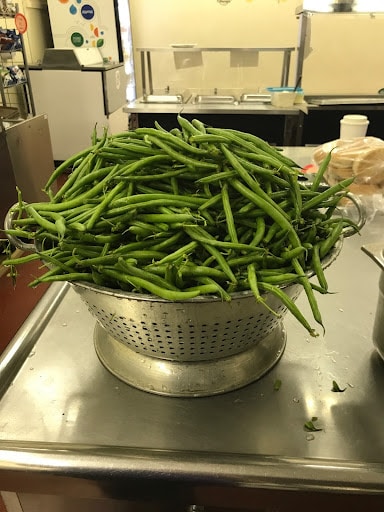
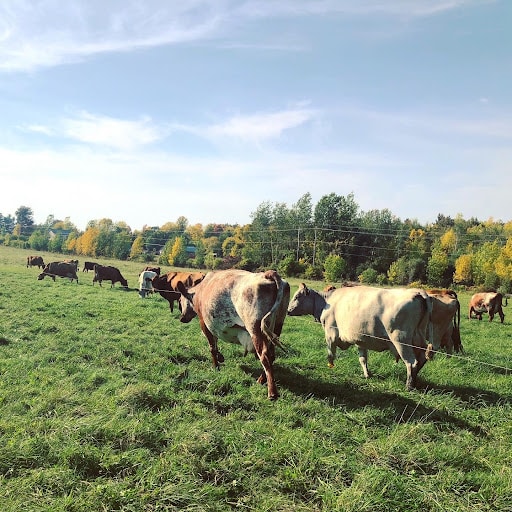
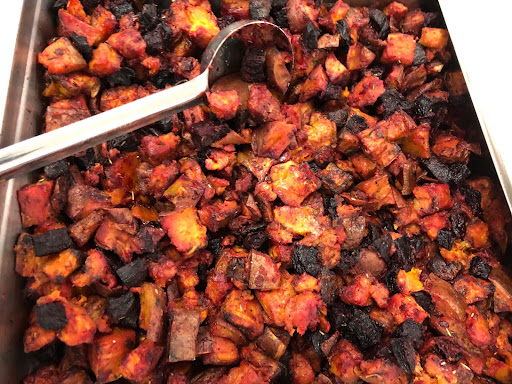
Green beans from Drinkwine Produce are prepped in the Ticonderoga High School cafeteria. Photo credit: Bobbie Jean FishCows graze at North Country Creamery in Keeseville. Their milk is used to make yogurt, served in cafeterias across Northern NY.Roasted Beets and Sweet Potatoes from Juniper Hill Farm being served at Willsboro Central School.
Generous Acts Grant Footing the Bill For Local Food for Schools
To continue to support regional school districts in serving local food during the challenges of the COVID-19 pandemic, CCE Essex was awarded a grant from the Adirondack Foundation to support pandemic recovery for regional school districts.
The grant established a program that assists schools in Clinton, Essex, Franklin and parts of Warren County become more familiar with the process of purchasing local food by paying for each district’s first three purchases of local food (up to $300). For the purposes of this grant, local food is being defined as within the Adirondack Region to ensure that local farmers are also benefiting from this grant program.
This grant program provides schools with an opportunity to familiarize themselves with the process of ordering from their local farms without the financial risk of paying for the products out of their own food budget. The program also provides training for cafeteria staff to allow staff to become more comfortable with preparing and serving the local food. This grant program minimizes the financial risk of purchasing local food, gets food service staff comfortable preparing the food, and provides technical assistance in sourcing the food. Schools are in a unique position where they can have a direct positive impact on students, farmers, and their communities when they purchase local food, and this program is here to help increase those impacts.
How the Program Works
Now, in the 2021-2022 school year many food service directors find themselves understaffed and with limited budgets. To date, there has only been participation within two districts, but the program is open for the entirety of the school year so there are still many opportunities for school districts to sign on and participate.
If you are a parent or community member and you would like your school district to serve local food, please encourage your Food Service Director to reach out to get involved in this grant program. If you are a school that is already serving local food – great job! – you are not eligible to receive funds to purchase local food, but you are eligible to participate in the staff training.
Food Service Directors or School Administrators can reach out to Meghan Dohman, Farm to Institution Educator to learn more and get involved.