
What Do Certifications Mean For Small Farms & Consumers in the Adirondacks?
Food labels and certifications such as “natural,” “organic,” “cage-free” and “pasture-raised” are time-consuming for the producer and confusing for the consumer — so are they worth it?
Like the labels themselves, the answer is confusing.
It was 85 years ago that J.I. Rodale, building on a British theory of farms as living “organisms,” founded the Rodale Organic Gardening Experimental Farm. Two years later he began publishing what became known as Organic Gardening magazine, a periodical of biblical import to a small but emphatic band of farmers who built the soil with compost instead of chemicals.
A surge in the popularity of organically produced foods through the 1960s and ’70s caught the attention of big business and, according to the National Agricultural Law Center, “evolved from a small-scale and localized system into a highly organized and global production and marketing system.”
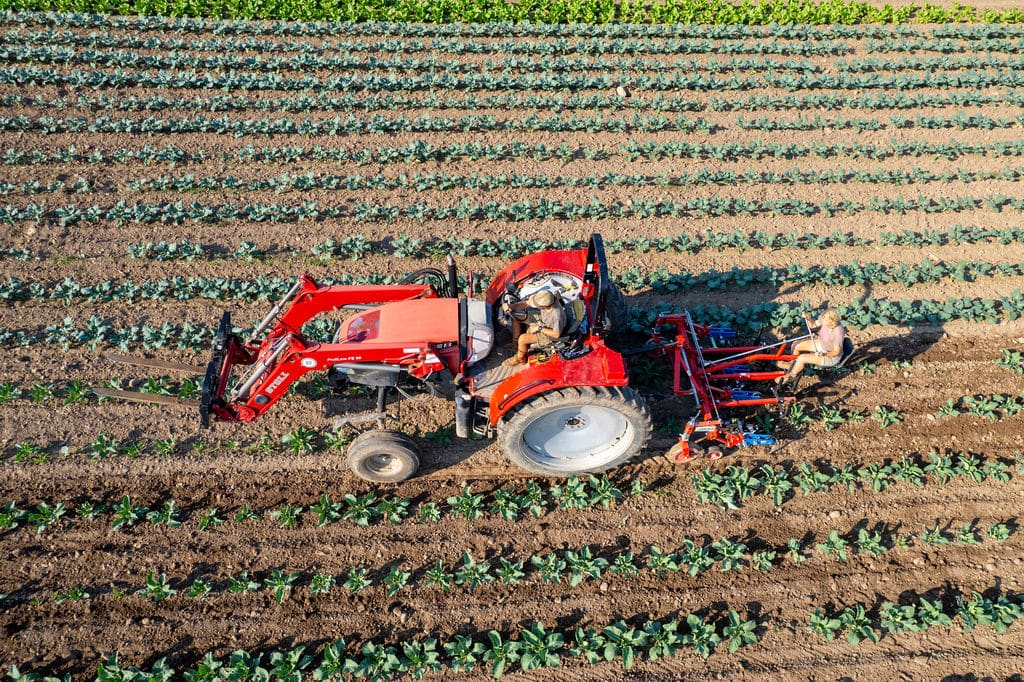
Fraudulent claims of “organically” grown foods led Congress to pass the Organic Foods Production Act of 1990 prohibiting, among other things, chemical pesticides and fertilizers and raising livestock on feeds containing manure, urine or “plastic pellets for roughage.”
Today, the organic designation is the most familiar food label, but it is far from the only one. Nor can it be easy to understand what these labels mean. “It’s deliberately confusing,” said Cole Trager, Agriculture & Local Food Team Leader for the Cornell Cooperative Extension service in Essex County. It’s more about capturing premium price points in the market place than it is about improving consumer awareness.”
Some words and phrases are regulated, some are not. And some are easy to manipulate. For example, an animal that spends most of its days in a feed pen might be turned out on grass for a few hours and thus be “pasture-raised.” A chicken raised with thousands of others might have access to a little door with a few square feet to roam and thus be, technically, “free range.”
If no legal government definition exists, third-party special interest or advocacy groups might step in to fill the void with their own definitions, their own inspectors and their own labels.
For the public, Trager said, it’s hard to know what’s going on behind the curtain or what their labels really mean. “Behind every label is 40-100 pages of fine print requiring substantial knowledge of the industry to properly digest,” he said.
For small producers, who have little in the way of spare time, these labels can be a burden.
Becca Burke, who owns The Meadow, a certified organic vegetables farm in the Town of Jay, said it’s certainly worth it to grow organically, but the time, cost and frustration involved in maintaining a government seal of approval are taxing.
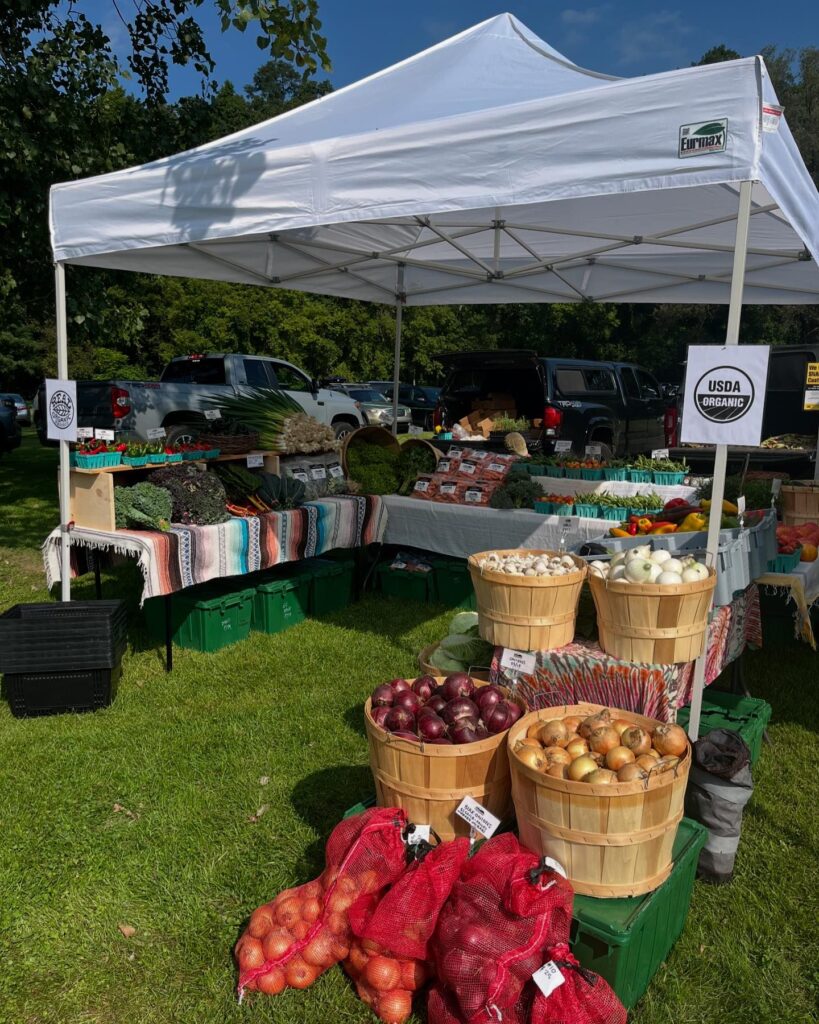
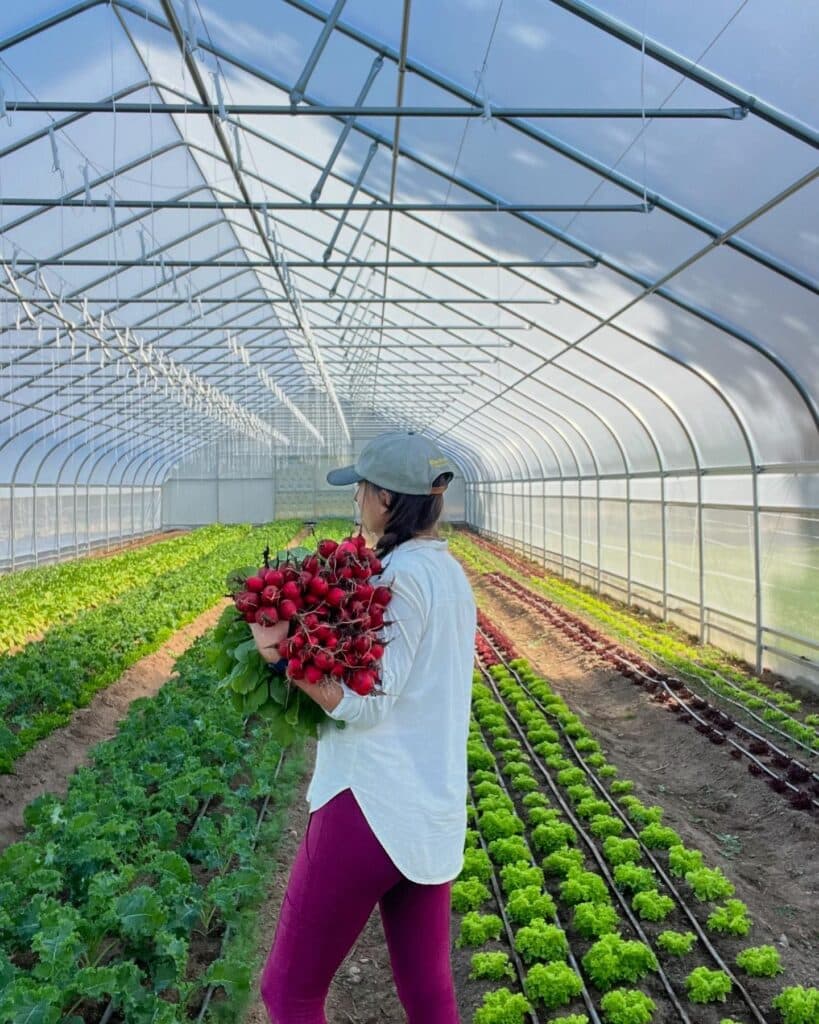
“It feels like a tax audit more than a review on farming practices,” she wrote of the inspection process in a summer newsletter to her customers. At a former farm, inspectors latched onto her radish sales records, which indicated she had sold one more bunch than she had harvested.
“The implication was that I purchased inorganic/ cheaper radishes and resold them as organic,” she wrote. “Not that I simply miscounted my farmers market harvest by a single $3 bunch of radishes. It felt really beside the point of organic certification.”
Burke said she sells primarily through CSAs and a few farmers markets. While organic products are assumed to bring a higher price, she said that’s not really the case, at least for the producer, whose products must be competitive with what other sellers are charging.
Nor does the labeling come up in casual conversations with farmers market consumers, who are more interested in learning about the farmers themselves than in the machinations of production.
That’s similar to the experience of North Country Creamery, according to co-owner Ashlee Kleinhammer, where the imagery of shorthorn and Jersey dairy cows contentedly grazing on Champlain Valley grass resonates more than government labeling.
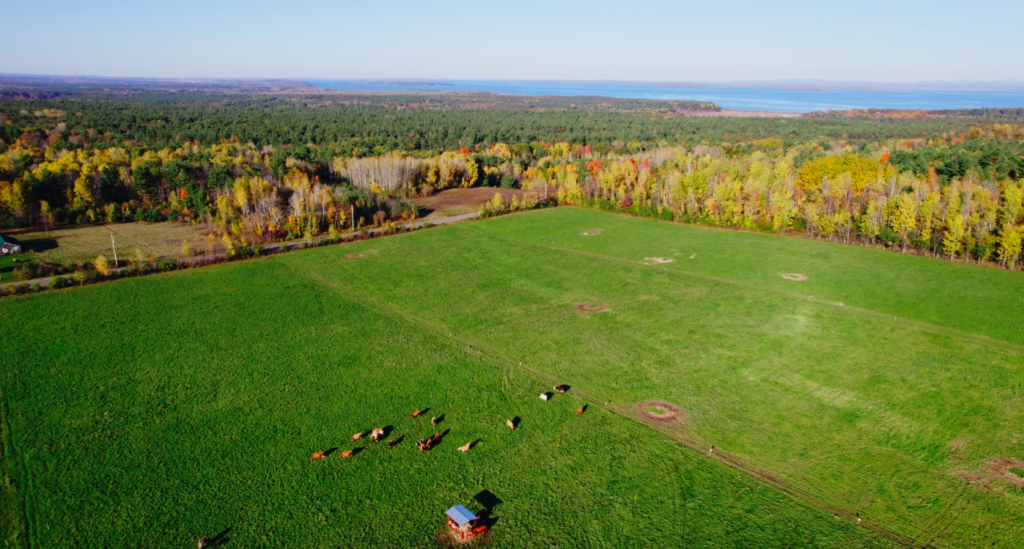
According to a Facebook poll by North Country Creamery, the quality consumers value most for their dairy products was that it be locally produced. Second was grass-fed cattle and third was organic.
Kleinhammer said North Country Creamery is a 100% grass-fed, non-GMO and Animal Welfare Approved farm, but not organic for a couple of reasons. One, “It’s very hard to find certified organic hay,” she said, “and it costs twice as much.”
Second, if a milk cow gets sick, she is not destroyed, she is given an antibiotic and taken out of the milking rotation until well after the drug has cleared her system. Antibiotics are given rarely and only as a last resort, she said.
But more important than labeling, Kleinhammer said, is that “people trust us.”
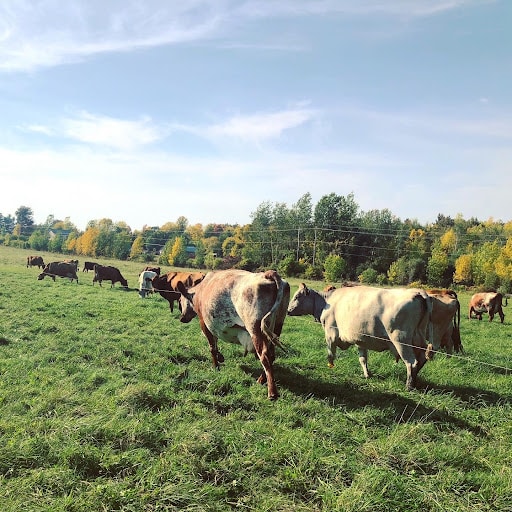
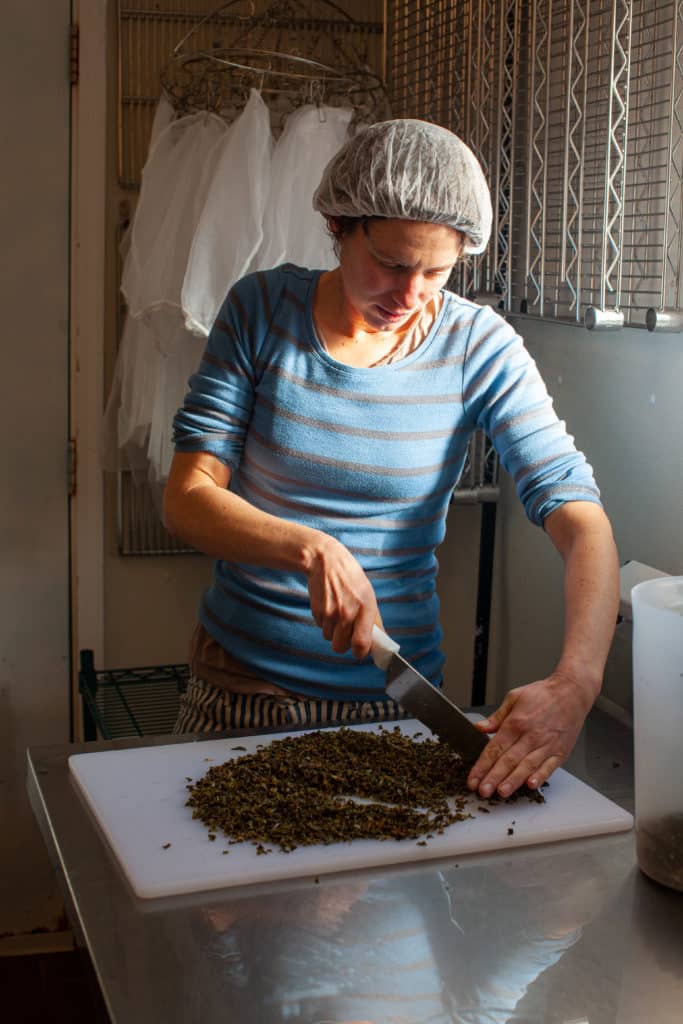
In a large supermarket chain the organic certification might have value for customers, but in the Eastern Adirondacks consumers are fortunate to be close to their producers, which is more important than labeling.
“There’s no substitute to knowing the farmer,” Trager said. “Most of these farms have open-door policies — no labeling can replace that.”
At The Meadow, Burke said customers are welcome to visit her fields but few do because they already know her commitment to natural, wholesome foods.
Ideally, she said, organic would be the standard, and it would be the non-organic producers who were forced to answer to government inspectors, pay the added costs.
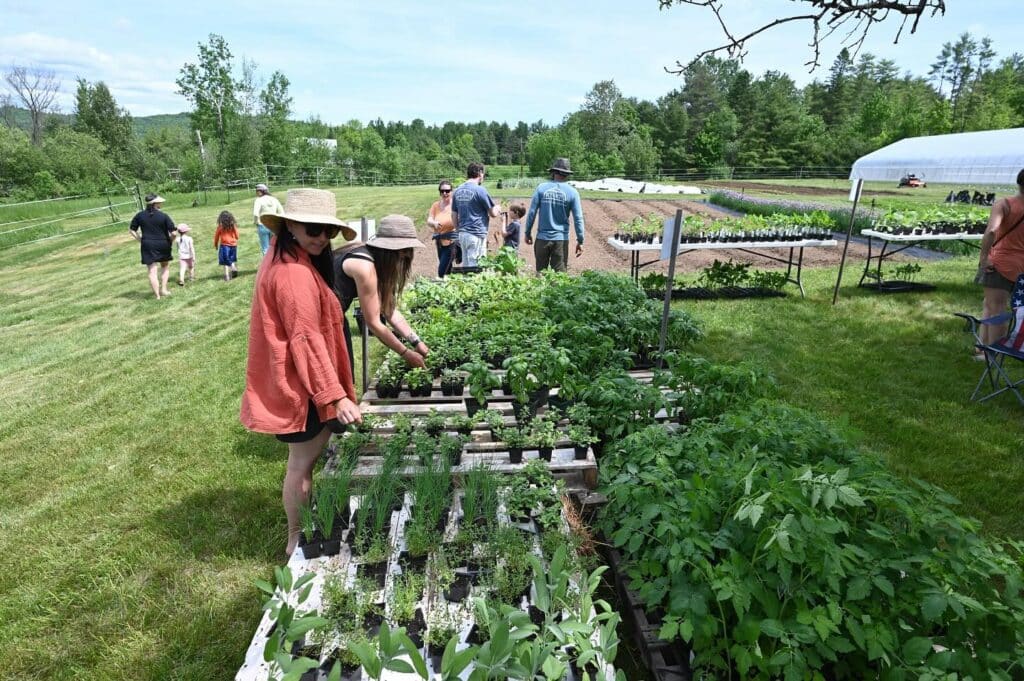
Trager encourages consumers to “take your education into your own hands,” and treat food literacy as you would financial literacy. When you do, he said, you will find that our local farmers are already going above and beyond to produce the healthiest, tastiest food possible — and no label can top that.
You can see what kinds of certifications and growing practices Adirondack Harvest farms implement by using filters on the AdirondackHarvest.com/browse webpage.


