This Spring, Landscape and Garden Local
By Mary Godnick, Adirondack Harvest Program Leader |
Nothing says SPRING quite like the gardener’s urge to plan out the garden for the year ahead. Are you champing at the bit to get seeds in the ground, window boxes planted, or a new landscaping project installed?
This year, before you order plants online or buy them from a box store, consider buying them from a local farm or nursery.
Why Locally Grown Trees & Plants?
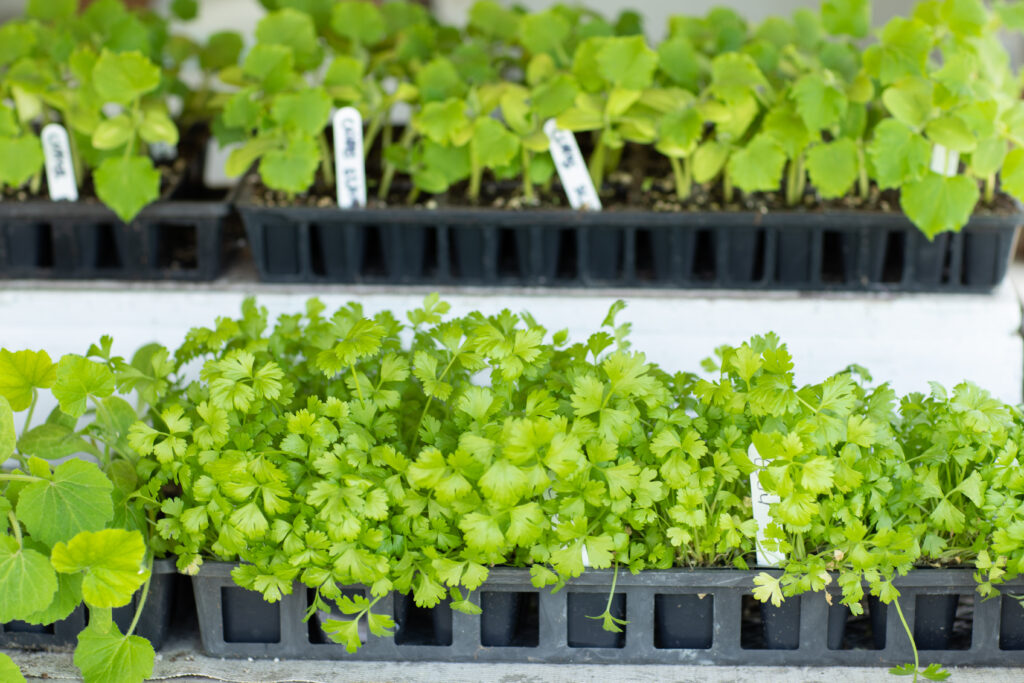
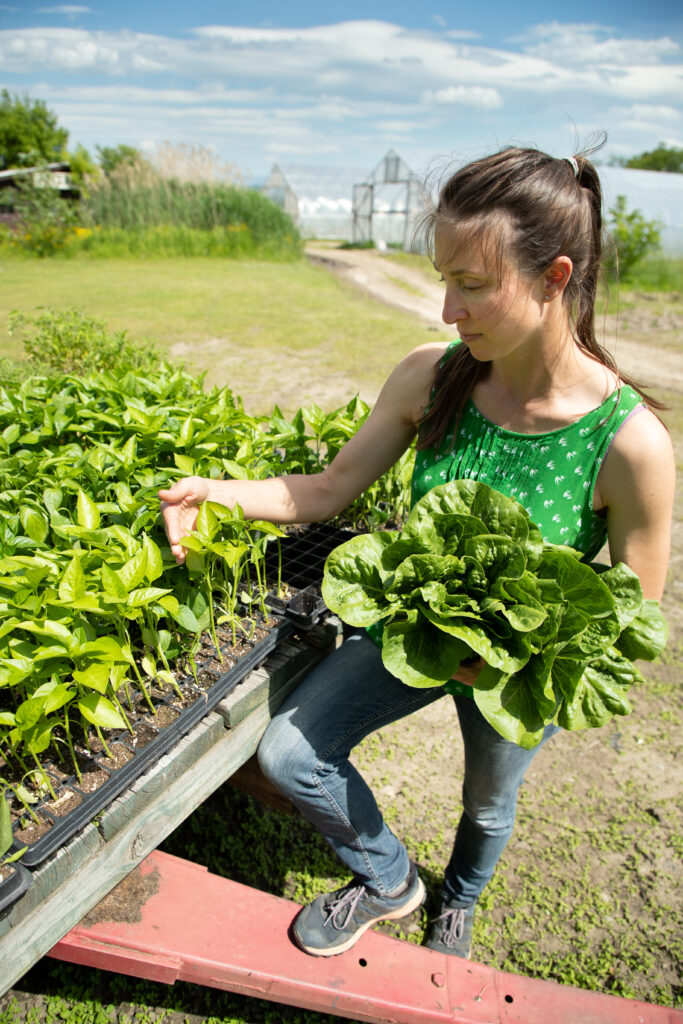
Veggie and herb seedlings for sale at the Drinkwine Produce Stand (photo provided by ROOST)
Support Your Local Farmer!
Buying plants for your flower beds, planters, veggie garden, and trees and shrubs from a local nursery or farm is no different than buying local milk and eggs. You’re supporting a local small business that has an invested commitment to your community. All of the reasons that we want to buy local food apply to plants.
Many farms and small businesses in the Adirondacks rely on peak summer sales to bring in revenue for their business. Buying local plants and trees in the spring gives farms and small businesses a little extra cash flow during a leaner time of year.
Locally Raised and Regionally Adapted to Thrive
Most gardeners know that you shouldn’t just take a plant out of your greenhouse and immediately plant it in the garden. But plants from big box stores are shipped from warehouses 5 or more growing zones away in 24-48 hours. If you’ve ever returned to the Adirondacks from a warm sunny spring break vacation, you know how uncomfortable that transition back to cool, rainy, or even snowy, weather can be.
Buying locally may also help you get a better sense of when plants are ready to be planted. Box stores start selling plants much earlier than they can safely be planted in your growing zone.
By waiting until the right time to put plants in the ground, and purchasing live plants that have avoided the shock of long-distance transport, you will see stronger root systems and healthier, more resilient plants that will better respond to drought, flooding, disease, and pests.
Bare root plants and trees grown in other regions with similar growing zones generally fare just fine. But if you have the option to buy bare root from a local grower instead, consider it. This way, you know that the specific plant you are receiving has thrived in your specific micro-climate.
Allyssa Hardiman of St. Lawrence Nurseries in Potsdam, NY says, “If you live in Northern New York, you may have been disappointed by trees that were proclaimed to be cold hardy. They were grown in areas that only see temperatures down to -10 degrees, and you may see temperatures as low as -40 degrees….A tree that has been through -40°F winters has proven itself to be truly cold-hardy. This means that a tree from our nursery will grow for you even if you live in a severely cold climate, whereas a tree from a conventional nursery located in a warmer growing zone may winterkill or simply survive without much growth or fruit.”
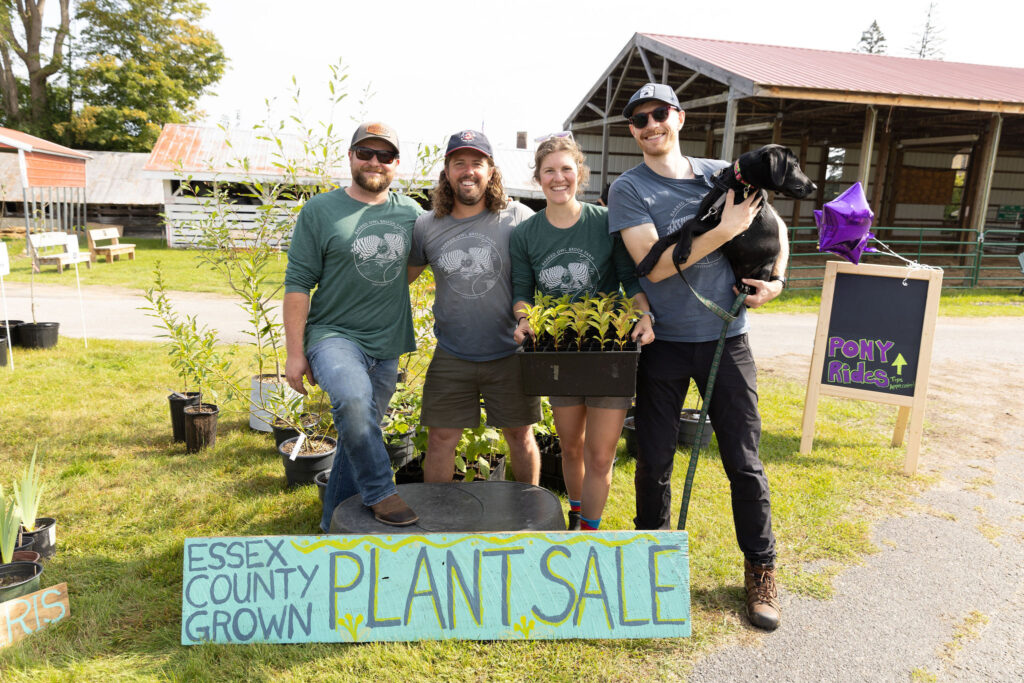
Barred Owl Brook Farm selling locally grown trees and plants at the 2023 Adirondack Harvest Festival
More Transparency to Help You Understand the Environmental Impacts of Your Purchase
You may have read the findings of the 2014 study completed by the environmental advocacy organization “Friends of the Earth” that found 51% of plants (including those marketed as “pollinator-friendly”) sold at three major big box stores were treated with neonicotinoids, a systemic and indiscriminate pesticide that kills all bugs, including butterflies, bees and other wildlife such as hummingbirds that feed on a plant that has absorbed the pesticide. When plants treated with them are planted in a garden, the pesticides can seep into the soil, permanently contaminating your garden, and causing other plants to become lethal to all bugs that feed on their leaves, roots, nectar, pollen, and fruit. While the three companies in the study have all since adopted policies to phase out the use of neonicotinoids, it is a good lesson that if you can buy plants from a grower in your community, they will likely have more transparency, accountability, and a commitment to the local environment.
While not all local growers follow organic or even sustainable practices, when purchasing from a local grower rather than a big box store, it’s more likely you will be able to have a direct conversation with them about the products they use and the growing practices they follow. They may even welcome you to visit where they grow and raise their plants, and can share specific info about how to best care for plants at home.
Buying plants grown locally can also help prevent the spread of plant diseases and pests. In 2009 tomato transplants infected with Late Blight were sold at big box stores causing a widespread epidemic across the Northeastern US. Late Blight is a highly contagious and deadly disease that infects and kills tomato and potato plants within weeks. Many other diseases and pests are commonly spread through shipping plants, such as Phytophthora ramorum, which causes disease and death in dozens of different popular wild and horticultural plants, such as the oak, Maidenhair fern, Douglas fir, rhododendron, and lilac. Diseases caused by Phytophthora ramorum have no known cure and the spread of the disease can only be lessened by removing and destroying infected plants.

Blazing Star (Liatris) is a native plant with bright purple flowers that support pollinators
Locally Grown Native Plants are a Beautiful Way to Support Wildlife
“Native” plants are plants that have occurred naturally without human introduction in a region, ecosystem, or habitat. They are plants that have been growing in an area pre-human introduction.
Many different wild and cultivated plants have been introduced that are important sources of food, medicine, and beauty. But, “native” plants have a particular advantage. Many rare and endangered pollinators and birds can only survive on a specific native plant as a food source; one well-known example is the Monarch butterfly, which depends on milkweed.
Populations of native plants have significantly declined in the past century due to expanded development, chemical pollution, wildfires, overgrazing, large-scale commercial agriculture, logging, invasive species, and the rise of the American lawn. The US. Bureau of Land Management has estimated that 200 native plant species have gone extinct in the US just since the 19th century, and some pollinator populations have seen a 90% decline in just the past decade. It’s estimated that North America has lost roughly 30% of its bird species in the past 50 years.
The good news is that you can help reverse this trend. By incorporating locally grown native plants into your landscaping and gardens, you can help provide immediate food sources and nesting areas for native pollinators and birds.
Many of the more common native plants, shrubs, and trees like Black Eyed Susan, Yarrow, Bee Balm, Elderberry, Juneberry, Plum, and Oak are available to purchase from farms and small businesses that sell other perennial plants and trees.
Big picture: you can support populations of native plants, pollinators, and wildlife by supporting farms in your community that manage their land to support pollinators and wildlife. This may include things like planting or preserving native plants in hedgerows and windbreaks, using native plants and grasses as forage for livestock, or growing native plants for use in value-added products.
Where to Buy Locally Grown Plants and Trees
Explore the Adirondack Cuisine Trails
Spring is the perfect time to travel along the Adirondack Cuisine Trails and get a taste of the Adirondacks. Many Cuisine Trail locations will have locally-grown annual veggie, herb, and flower plants, perennials, shrubs, and trees for sale. Spend the day enjoying the warmer weather, explore the region while spring wildflowers and trees are in bloom, meet local farmers and growers, and shop for a few locally grown plants to add to your garden. Make it a whole day and stop for lunch at a restaurant and visit a winery or brewery along the Cuisine Trails too.
Some Adirondack Cuisine Trail locations that sell locally grown trees and plants during the Spring and early summer:
- Moonstone Farm & Forest, Saranac Lake
- Tupper Lake Food Hub, Tupper Lake
- North Country Co-op, Plattsburgh
- Northern Orchard Co, Peru
- Rulfs Orchard, Peru
- Mace Chasm Farm, Keeseville
- North Country Creamery’s Clover Mead Farmstore, Keeseville
- Mossbrook Roots Flower Farm, Keeseville
- Mountain Weaver’s Farmstore, Port Henry
- Drinkwine Produce Stand, Ticonderoga
Find out more about the Adirondack Cuisine Trails at adirondackharvest.com/cuisine-trails
Farmers’ Markets
Most farmers’ markets will also have local farms and greenhouses selling plants throughout the season. Find a farmers’ market near you at Adirondackharvest.com/markets.
Order From Local Farms and Nurseries
There are a few local nurseries that specialize in growing trees and shrubs that are available for pre-order and pick up or shipping. Find out more at adirondackharvest.com/browse
Special Events:
Plant Sale and Giveaway – Hosted by the Essex County CCE Essex Master Gardener Volunteer Program on June 15, 2024 at CCE Essex in Lewis, NY
Native Plant Sale and Pollinator Festival– Hosted by Adk Action on June 1, 2024 at the Uihlein Farm in Lake Placid, NY
Funding for this project came from a 2024 Special Programs Grant from the Champlain Valley National Heritage Partnership