By Ricky the Meadmaker, Co-Founder ofGroennfell Meadery
Honey is amazing stuff. If you’re reading this blog, I obviously don’t need to tell you, but I’m going to anyway.
Honey, in its raw form, lasts essentially forever. Archeologists admit to eating honey found in ancient tombs. It’s naturally antimicrobial and it’s a supersaturated, supercooled solution that functions like a solid and a liquid at the same time, and some honey will stay in that form for centuries without crystalizing! It also makes baked goods taste sweeter than white sugar does.
While I could extol the benefits of honey (or more accurately, strange facts about honey) for hours, we’re here to talk about one of its greatest skills: becoming alcohol.
Most folks have heard of mead, even if they haven’t tried it personally. Whether it’s The Hobbit, Chaucer, Harry Potter, Game of Thrones, Vikings, Beowulf, or Marvel comics, you’ve almost certainly stumbled across the word.
Rick the MeadmakerMead from Groennfell Meadery
What is Mead?
At its simplest, mead is an alcoholic beverage fermented primarily from honey. Beer comes from grain, wine comes from grapes, cider comes from apples, and mead comes from honey.
A lot of people worry that mead will be sweet because, well, honey is sweet. Never fear! The sugar is all (or nearly all) converted to alcohol, so what you end up with is an almost champagne-like, craft beverage with a backbone of honey.
If you wanted to make mead at home, you could simply mix water and raw honey together then wait. Since raw honey has wild yeast in it, the honey – which has now been watered down below the yeast’s sugar saturation tolerance – will start making that sugar available to the yeast to turn into alcohol.
If you want good mead, however, you may want to take a few more steps and probably sanitize everything pretty well.
Or, of course, you could just buy it from us at Groennfell.com, which would be appreciated, but isn’t necessary.
Over here at Groennfell Meadery, we’re an open-source company, so all of our recipes and brewing techniques are free online!
If you’re already an avid homebrewer, go ahead and jump right over to our Recipe Section on our blog. You should have all the equipment you need if you’ve ever made beer or wine at home before. A place to start is with Valkyrie’s Choice.
If you’re completely new to homebrewing, we have a whole article called Your First Batch of Mead and a handy follow-up called How We Brew Everything We Brew.
Honeybee on a dandelion, the start of making mead!A favorite Groennfell Mead
Why Mead?
We’ve gotten this far without answering a really important question: Why would you want to brew your own mead? (Or buy someone else’s, for that matter?)
One of the primary reasons is the environmental impact of brewing, but that’s such a big topic that it will be getting its own article in a few weeks here on the blog. So, we’ll skip over that for now.
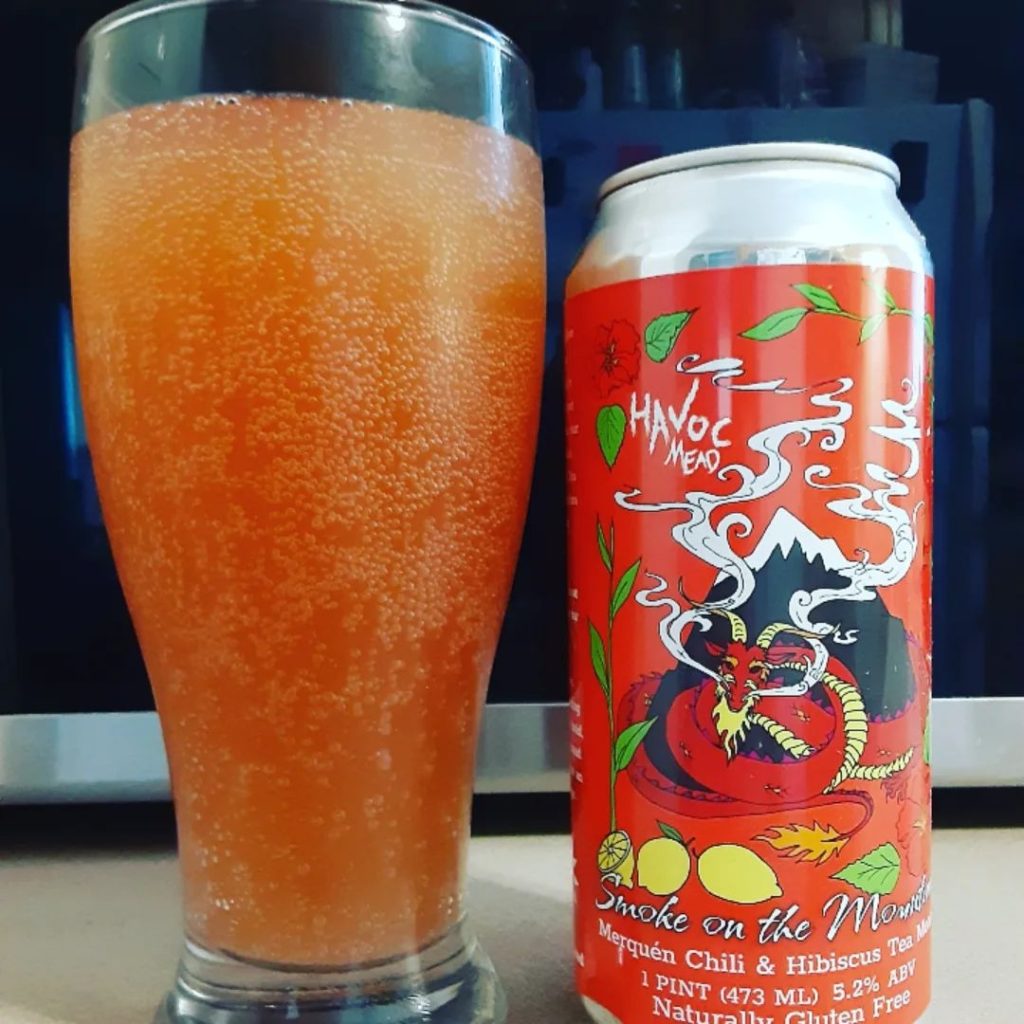
The reason you’d want to make and drink mead is that it’s delightful! It’s a fizzy, gluten-free, easy to love alcoholic beverage. It’s so incredibly flexible that it can range from bright cranberry tartness, like Nordic Farmhouse to dark and oaky like Old Wayfarer.
Heck, it even works in cocktails!
Mead also lasts a long time if brewed and packaged properly. Craft meads will last for years in the keg, can, or bottle. Strong meads will last for decades.
Another reason to have mead at your next lunch, cocktail hour, or feast is that, although mead has been brewed for approximately ten thousand years, it’s taken a step out of the spotlight for the last century or so. The reasons for this are primarily driven by large agronomic forces. Grain is easy to cultivate on massive farms, thus beer and large farms with large transportation networks work very well together.
Mead, on the other hand, has most often been made at home. In fact, Jane Austen even brewed her own!
We hear now that there is to be no honey this year. Bad news for us. We must husband our present stock of mead, and I am sorry to perceive that our twenty gallons is very nearly out. I cannot comprehend how the fourteen gallons could last so long.Jane Austen to Cassandra Austen, September 8, 1816
While there is certainly a large international honey market – estimated to be around eight billion dollars in 2020 – that is absolutely insignificant compared to the world grain market which is well into the trillions. This means that you’re simultaneously drinking something that has millennia of history to tap into while also being deeply connected to this year’s harvest.
So whether you jump into homebrewing with both feet or just pick up a few cans or bottles to see if it’s your thing, I hope this got you excited about mead and meadmaking!
This article is part one of a two-part series. Stay tuned for part two, which dives into the environmental impacts of different locally brewed beverages.
Related Reading
Farmland Access and Affordable Housing – Feeding Two Birds With One Scone
Egg Price Volatility Makes a Strong Case for Local Food
The Quest for Food Justice in the Adirondacks
Farm to Festivity: Buy Local This Holiday Season
Thank You For A Successful 2024 Adirondack Harvest Festival!
Where to Pre-Order A Local Thanksgiving Turkey
What Do Certifications Mean For Small Farms & Consumers in the Adirondacks?
Noris Village Market a Cornerstone for Local Farmers & Locavores
The Pandemic Caused Some Farms to Pivot, Now What?
2024 FMNP Coupons Now Available to Seniors
Adirondack Region Farmers Working in Harmony with Wildlife
Farmers’ Markets Are a Labor of Love
Grafting Heritage Fruit Trees at Mace Chasm Farm
Spring is an Egg-cellent Time to Buy Local
This Spring, Landscape and Garden Local
Time to Sign Up for CSA Shares
Seasonal Harvest: Medicinal Herbs & Herbal Products in the Adirondacks
Local Farm Stores are a Great Spot for Holiday Shopping
Seasonal Harvest: Embracing the Autumn Bounty of Pumpkins & Winter Squash
Celebrating Another Successful Year for the Power of Produce Club!
Blue Pepper Farm Offers a Glimpse into Adirondack Farm Life at Farmstay
Warrensburgh Riverfront Farmers’ Market Celebrates 25 Years of Bringing Local Food to Warren County
The Future of Farm to School in the Adirondack Region
Better Quality Food is Key for Helping Students Thrive
Local Food Saves Area Schools Money
Schools Purchasing Local Food Helps Local Farmers
Local Gift Ideas for Mother’s Day
Farm to School Movement Gains Ground in the Adirondack Region
In Schroon Lake, Pine Cone Mercantile Has All the Comforts of Home
Seeking Paid VISTA Volunteers for Summer 2023!
3 Benefits of Supporting Your Local Tree Nursery
Another Successful Season for the Power of Produce Club!
New Focus on Cooking From Scratch & Local Ingredients at Plattsburgh City Schools
Why Has the Price of Eggs Increased So Much?🥚
Upcoming Agritourism Workshops for Farmers
Do You Think Beets Taste Like Dirt?
2022 Adirondack Harvest Festival a Success
A Look at Open Farm Weekend 2022
Power of Produce Club at Saranac Lake and Elizabethtown Markets This Summer
A Sweet Family Tradition of Maple in the Adirondacks for Whitney’s Maple Spring Farm
What Wild Edibles are in Your Backyard?
Meet the Maker: Meier’s Artisan Cheese
How the Sausage is Made at Mace Chasm Farm
5 Ways to Advocate for Local Food & Farms
Science-Based Art Project Seeks Adirondack Fiber Producers and Artists
Spotlight On Local Food at the Adirondack Medical Center
D&D Meats Earns Competitive USDA Grant to Reduce Pressures on Local Producers
Generous Acts Grant and CCE Essex Paying the Bill so Schools Can Serve More Local Food Through Pandemic Challenges
Shady Hill Farm Steps Forward, and Backward, in Time
Third Year of the Power of Produce Club a Success
Bringing High-Quality Farm-to-Table Dining to Malone, NY
A Look at Farming in the Southern Adirondacks at the Thurman Fall Farm Tour
Recap from the 2021 Adirondack Harvest Festival Open Farm Week
Adirondack’s Small Town Cultures Provides a Fresh Take on Fermented Foods
New Creamery in the Works at Meier’s Artisan Cheese
5 Recipes to Keep Enjoying Zucchini All Summer
A Quick Guide on Local Tomatoes
Have You Heard the Buzz About the Power of Produce Club?
Four Ways to Enjoy Fresh Herbs This Summer
The Village Meat Market: Boon for a Small Community
How Farms and Fine Dining Grow Together
What Makes Eggs Different Colors?
5 Spring Asparagus Recipes to Try
Is Corned Beef and Cabbage Actually Irish?
Four Maples Vineyard Takes Advantage in Changing Climate, Tastes
Love Local this Valentine’s Day
Books to Inspire You to Shop Local
Community Coming Together in Essex, NY
That $25 Locally Raised Chicken is More Economical Than you Think
Meet the Makers
Adirondack Harvest Challenge Accepted! Meet the Winners
Churning up Gold in the Adirondacks
FREE RANGE Adirondack Harvest Festival 2020
During Pandemic, North Country Food Co-op Offers Both Comfort and Food
DIY Projects Keep ADK Saws Humming
Survey Results: Local Food & COVID-19
Farmers Adapt Quickly to the New Normal
Saranac Lake transitions from Farmers’ Market to Farmers’ Park-It
Please take our survey: Local Food and COVID-19, Learning Through Experience
Franklin County Farm Tour
Snapshots from the 2019 Adirondack Harvest Festival!