That $25 Locally Raised Chicken is More Economical Than you Think

That $25 Locally Raised Chicken is More Economical Than you Think

10/22/2020 Uncategorized

By Tim Rowland

Curtiss Hemm teaches foodies how to prepare gourmet meals, but also has an eye on economics and locally produced foods.

Curtiss Hemm thinks about food in ways that others don’t. Along with being a chef, he is a food instructor, food economist and food anthropologist. The Rumplestiltsken of chicken, he can spin a single bird into $188 worth of saleable restaurant product, massaging the parts many of us would throw away into pates, consommés and brodos.
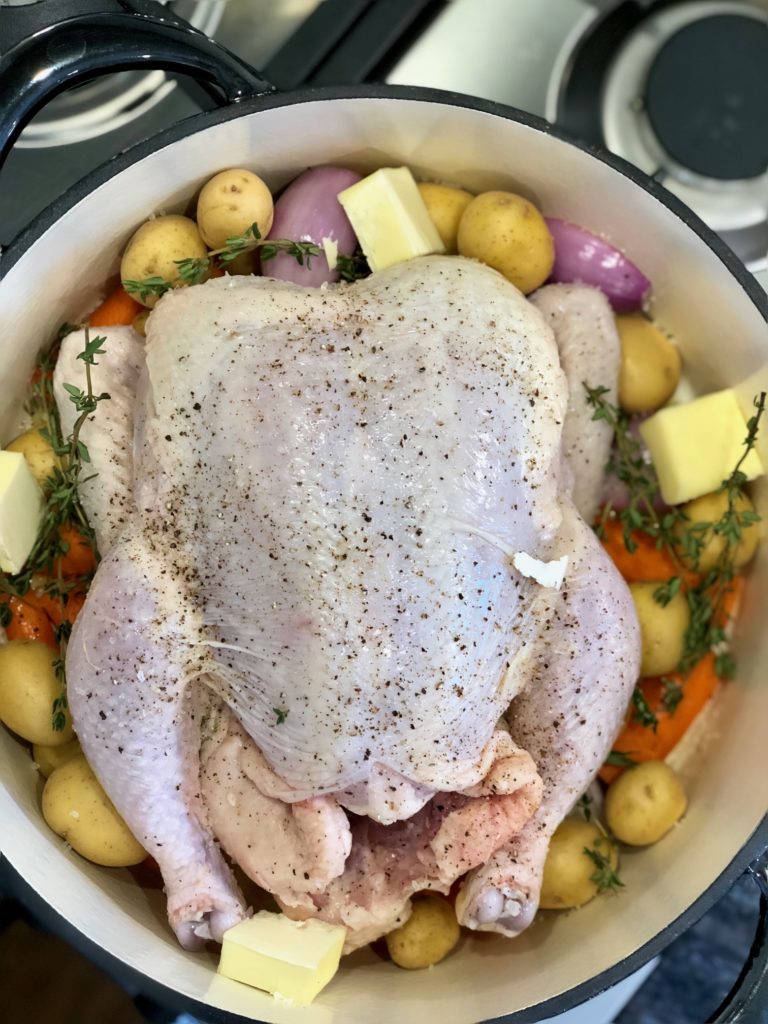
With a chicken, a head of cabbage and a few other odds and ends, a family can enjoy three or more wholesome, delicious meals that cost less than dinner at McDonald’s.

At his Carriage House Cooking School in Peru, Hemm teaches his craft to small, intimate gatherings, relying as much as possible on ingredients from local farms. His clientele is well-heeled with the twin luxuries of money and, maybe even more important, time to dabble in the culinary arts.

But for all the stereotypical barbs about the wealthy lacking the skills needed to microwave their own soup, food pantries and farm stores have noticed that those on the opposite end of the economic scale are frequently clueless about food preparation as well.

In 2018, AdkAction and the Keeseville Farmacy, with a grant from the Adirondack Foundation, brought in Hemm to see if some of the methods from his cooking school and economics of his restaurant years might apply to disadvantaged people and match them up with healthy, locally grown foods.

Re-enter the $188 chicken.

“At the grocery store you can buy a 3-pound chicken that has been raised in absolutely horrible conditions,” Hemm said. “Or you can buy a local chicken for $25 — but now you’ve got sticker shock, and I agree, $25 is a lot for a chicken. But in my mind, as a chef, I’m looking at edible portions.”

To begin with, as a chicken grows, its bones grow first. So that three-pound fryer is going to contain disproportionately less meat than a six-pound pasture raised bird. So the breast, roasted with potatoes and carrots will feed a family of four. 

The wings themselves can make a quart of broth — and chicken soup. Chop the meat of the drumsticks with half a head of cabbage, garlic, scallions and soy sauce and you have a dumpling mix. With water and 12 cents worth of flour, you can make the dough for 16 potstickers. The other half of the cabbage goes for salad with another meal.

The thighs can be used in a stir fry, and the carcass makes a broth that can be combined with a pasta that mimics risotto. “Anything that can be turned into a liquid is gold,” Hemm said.

Suddenly that $25 chicken has morphed into 14 portions costing $1.79 cents each — less than a burger at McDonald’s. “And it gives the producer the cost needed to raise that bird,” Hemm said. Everyone wins.

Even so, Hemm knows it’s not an easy message to get across. And people can’t always cook, even if they have been taught how. “The cheapest calories are the worst calories,” he said. “There are high quality foods at very affordable prices if you know how to use them, but when you’re poor the last thing you focus on is nutrition. If you have time, that’s time you could be working to make some money.”
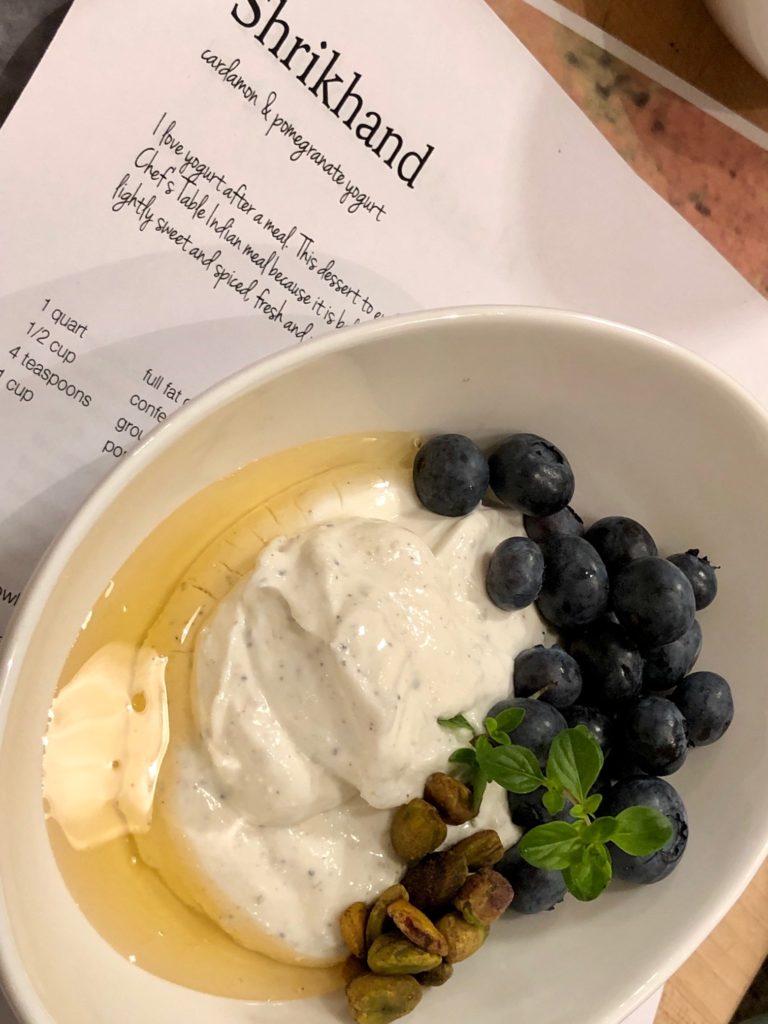
Yogurt: local, nutritious, easy, economical and… delicious! Doll it up with fresh, in-season fruits and herbs for a fun twist!

Ironically, even finding the time to take a money-saving cooking class is an issue. As a food anthropologist, Hemm recognizes the downward spiral which began when it became necessary for families to have two incomes and people of all social strata basically forgot how to cook. For single parents, the problems are compounded. Hemm instructed one woman whose poverty was so severe that she was never sure where she and her children would be staying from one month to the next. “There wasn’t a pantry she could use for her own larder,” he said.

Reestablishing what Hemm calls culinary literacy is a difficult ship to turn, but Hemm says it is essential, both for consumers and producers. And it is not just the lower rung of the social strata that needs to be addressed. With Covid, “A lot of people are going to food pantries who never thought they would be going to food pantries,” he said.

It is, Hemm said, further indication of the need for food literacy at all levels of American society. It is a variation on the old “teach a man to fish” saw, tempered with economics that will be durable both for the people who eat, and grow, the food.

“You can hand out gift cards all you want,” Hemm said. “But if you don’t tell people how to cook it won’t stick.”
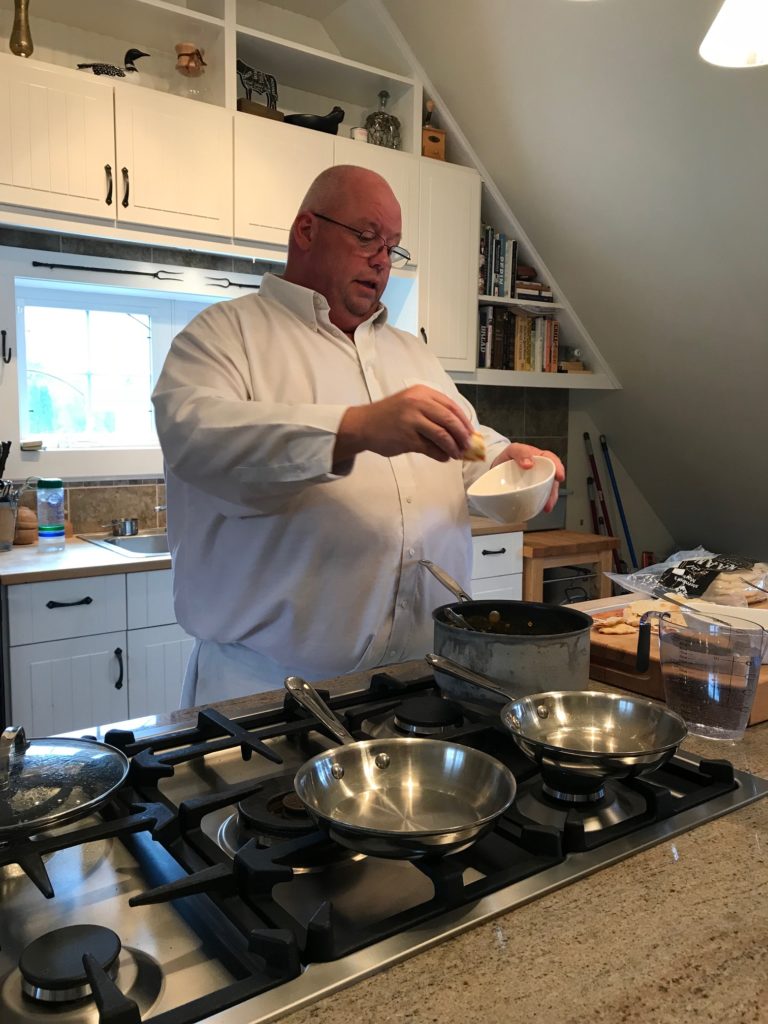
Regardless of how much time or resources you have to cook, Curtiss Hemme can help you learn how to cook meals that fit your needs and allow you to enjoy tasty meals from local ingredients.

About the author: Tim Rowland is a freelance writer raising belted Galloway beef cattle in Jay, New York.

Learn more about Carriage House Cooking School and ways to follow Curtiss on social media by checking out his Adirondack Harvest profile.

Related Reading

Farmland Access and Affordable Housing – Feeding Two Birds With One Scone

Egg Price Volatility Makes a Strong Case for Local Food

The Quest for Food Justice in the Adirondacks

Farm to Festivity: Buy Local This Holiday Season

Thank You For A Successful 2024 Adirondack Harvest Festival!

Where to Pre-Order A Local Thanksgiving Turkey

What Do Certifications Mean For Small Farms & Consumers in the Adirondacks?

Noris Village Market a Cornerstone for Local Farmers & Locavores

The Pandemic Caused Some Farms to Pivot, Now What?

2024 FMNP Coupons Now Available to Seniors

Adirondack Region Farmers Working in Harmony with Wildlife

Farmers’ Markets Are a Labor of Love

Grafting Heritage Fruit Trees at Mace Chasm Farm

Spring is an Egg-cellent Time to Buy Local 

This Spring, Landscape and Garden Local

Time to Sign Up for CSA Shares

Seasonal Harvest: Medicinal Herbs & Herbal Products in the Adirondacks

Local Farm Stores are a Great Spot for Holiday Shopping

Seasonal Harvest: Embracing the Autumn Bounty of Pumpkins & Winter Squash

Celebrating Another Successful Year for the Power of Produce Club! 

Blue Pepper Farm Offers a Glimpse into Adirondack Farm Life at Farmstay

Warrensburgh Riverfront Farmers’ Market Celebrates 25 Years of Bringing Local Food to Warren County

The Future of Farm to School in the Adirondack Region

Better Quality Food is Key for Helping Students Thrive

Local Food Saves Area Schools Money

Schools Purchasing Local Food Helps Local Farmers

Local Gift Ideas for Mother’s Day

Farm to School Movement Gains Ground in the Adirondack Region

In Schroon Lake, Pine Cone Mercantile Has All the Comforts of Home

Seeking Paid VISTA Volunteers for Summer 2023!

3 Benefits of Supporting Your Local Tree Nursery 

Another Successful Season for the Power of Produce Club!

New Focus on Cooking From Scratch & Local Ingredients at Plattsburgh City Schools

Why Has the Price of Eggs Increased So Much?🥚

Upcoming Agritourism Workshops for Farmers

Do You Think Beets Taste Like Dirt? 

2022 Adirondack Harvest Festival a Success

A Look at Open Farm Weekend 2022

Power of Produce Club at Saranac Lake and Elizabethtown Markets This Summer

A Sweet Family Tradition of Maple in the Adirondacks for Whitney’s Maple Spring Farm 

Have a Pint for the Planet | All About Mead

What Wild Edibles are in Your Backyard?

Meet the Maker: Meier’s Artisan Cheese

How the Sausage is Made at Mace Chasm Farm

5 Ways to Advocate for Local Food & Farms

Science-Based Art Project Seeks Adirondack Fiber Producers and Artists

Spotlight On Local Food at the Adirondack Medical Center

D&D Meats Earns Competitive USDA Grant to Reduce Pressures on Local Producers

Generous Acts Grant and CCE Essex Paying the Bill so Schools Can Serve More Local Food Through Pandemic Challenges

Shady Hill Farm Steps Forward, and Backward, in Time

Third Year of the Power of Produce Club a Success

Bringing High-Quality Farm-to-Table Dining to Malone, NY

A Look at Farming in the Southern Adirondacks at the Thurman Fall Farm Tour

Recap from the 2021 Adirondack Harvest Festival Open Farm Week

Adirondack’s Small Town Cultures Provides a Fresh Take on Fermented Foods

New Creamery in the Works at Meier’s Artisan Cheese

5 Recipes to Keep Enjoying Zucchini All Summer

A Quick Guide on Local Tomatoes

Have You Heard the Buzz About the Power of Produce Club?

Four Ways to Enjoy Fresh Herbs This Summer

The Village Meat Market: Boon for a Small Community

How Farms and Fine Dining Grow Together

What Makes Eggs Different Colors?

5 Spring Asparagus Recipes to Try

Is Corned Beef and Cabbage Actually Irish?

Four Maples Vineyard Takes Advantage in Changing Climate, Tastes

Love Local this Valentine’s Day

Books to Inspire You to Shop Local

Community Coming Together in Essex, NY

Meet the Makers

Adirondack Harvest Challenge Accepted! Meet the Winners

Churning up Gold in the Adirondacks

FREE RANGE Adirondack Harvest Festival 2020

During Pandemic, North Country Food Co-op Offers Both Comfort and Food

DIY Projects Keep ADK Saws Humming

Survey Results: Local Food & COVID-19

Farmers Adapt Quickly to the New Normal

Saranac Lake transitions from Farmers’ Market to Farmers’ Park-It

Please take our survey: Local Food and COVID-19, Learning Through Experience

Franklin County Farm Tour

Snapshots from the 2019 Adirondack Harvest Festival!

Highlights from the 2019 Power of Produce Club!

Power of Produce Club

It’s a Wrap!

Farm to Chef Meet and Greet