ECONOMIC IMPACTS
Studies show that local foods can have a positive impact on local economic activity by substituting imports and supporting local processing. For example, beef raised on a local farm and processed at a local slaughterhouse has a net benefit to two businesses, rather than one.
A study by Iowa State University found that each dollar spent at farmers’ markets generated 58 cents in additional sales elsewhere in the local economy. And for each full-time equivalent job created at farmers’ markets, a half of a fulltime equivalent job was created in other sectors of the local economy. Another national study of 15 food supply chains found that producers received 7 times the net revenue per unit in local food supply chains than they do in conventional wholesale chains.
BETTER FOR FARMERS
The USDA estimates that on average, a farmer only earns 17.4 cents for every dollar spent on a food item. In shorter supply chains, like when buying through a food hub, farmers earn up to 85 cents for every dollar, and when purchased directly like at a farm store, the farmer receives 100% of every dollar you spend.

BETTER FOR THE ENVIRONMENT
Reducing the number of miles your food travels from field to the shelf directly shrinks your grocery carbon footprint. It’s been estimated that locally grown food creates 5 to 17 times less CO2 than nationally wholesale distributed food.
But more importantly, how food is grown matters. The farming practices used to grow or raise food accounts for 83% of its carbon footprint. Just because something is “local” it does not mean that it is sustainable. However, smaller farms are more easily able to adopt environmentally friendly practices that help preserve clean drinking water, improve soil health, protect wildlife, and pollinators. These methods can include rotational grazing, using cover crops, avoiding harmful pesticides, and wildlife-friendly predator and pest control. Eating local can also reduce food waste, as most food loss happens during production, storage, transport, and distribution. By shortening the chain between farmer and consumer, there is less time and opportunity for spoilage.
HEALTHIER AND TASTIER FOOD
There are a variety of factors that influence the nutritional quality of food including ripeness, processing, storage, growing practices, and more. Food that is grown locally is generally harvested closer to when it is ripe and spends less time in shipment and on the shelf. Riper fruits and vegetables mean more nutrients and better flavor. Fruits and vegetables that are grown on large scale farms and shipped thousands of miles to grocery stores are bred for traits that prolong their shelf life, like tougher skins to withstand shipping damage. That is one of the reasons why local fresh strawberries (that just stay fresh a day or two) taste so amazing in contrast to conventionally grown berries.
HAPPIER ANIMALS
Smaller operations allow for closer quality control. Industrialized livestock operations (like Confined Animal Feeding Operations) are designed to raise many animals in a short period of time. Many times animals are kept indoors or without access to vegetation. Birds and pigs are kept in tiny cages or stalls not much bigger than their bodies. When purchasing local food, you have the opportunity to talk with your farmer about animal welfare practices on their farm. On small farms, animals are more likely to have time and space to graze, forage, and bond with fellow animals.

OPPORTUNITY TO ALIGN WITH YOUR VALUES
The average American spends less than ten percent of their income on food. This is much less than almost everywhere else in the world, in some countries, people spend up to half of their income on food. If you can afford to spend a little more, and reap the environmental, social, and health benefits, why not?
FIND YOUR COMMUNITY
When you buy local food, you generally have the opportunity to engage with farms directly. They are usually more transparent about farming practices and sometimes invite community members to their farms for tours. This face-to-face engagement is otherwise is lost in a traditional wholesale food chain. Buying local food offers you a chance to better understand the work and care that goes into your food and to create a stronger connection to your wider community.
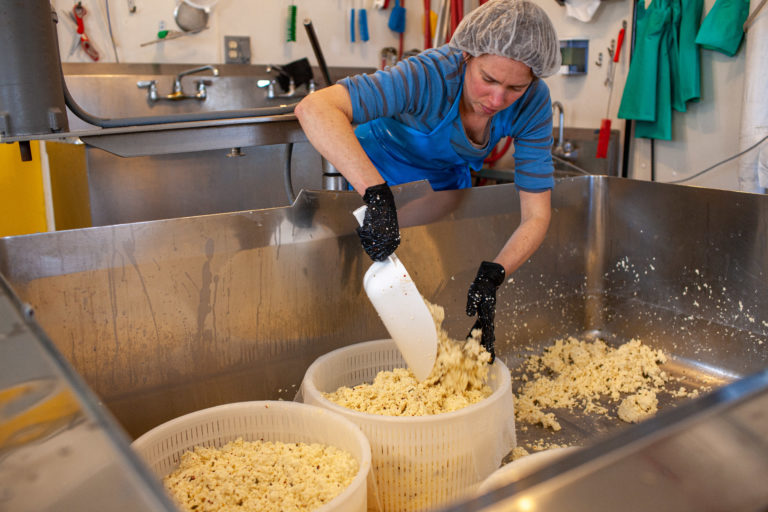
North Country Creamery
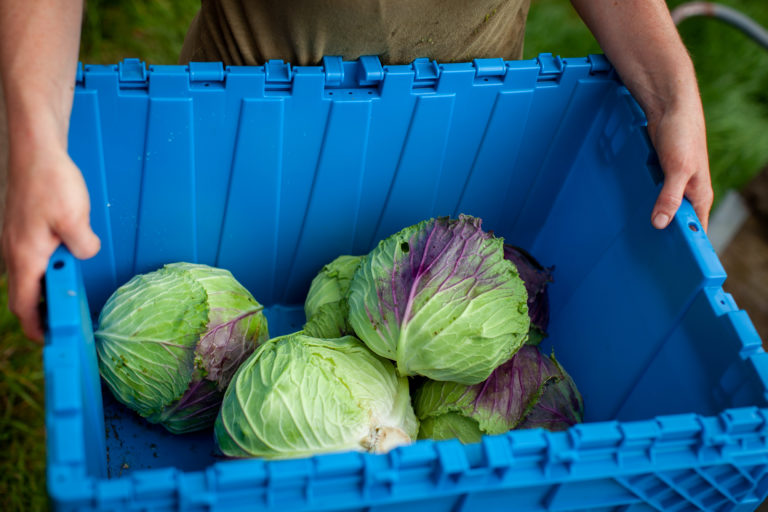
Oregano Flats Farm
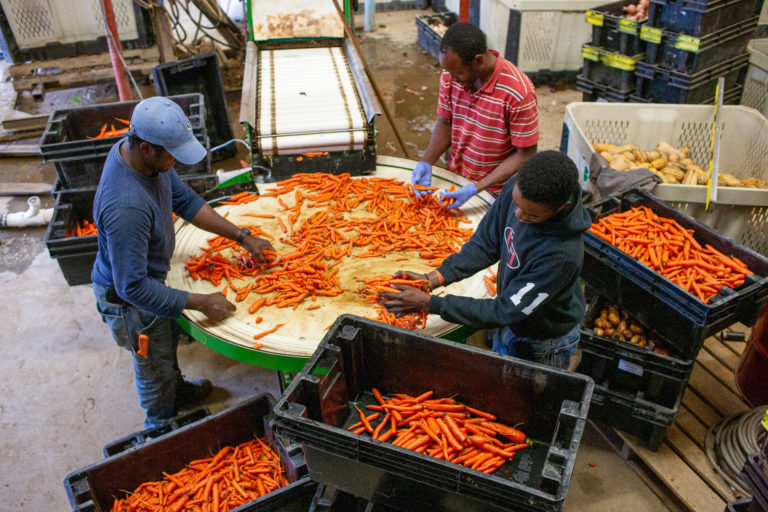
Juniper Hill Farm
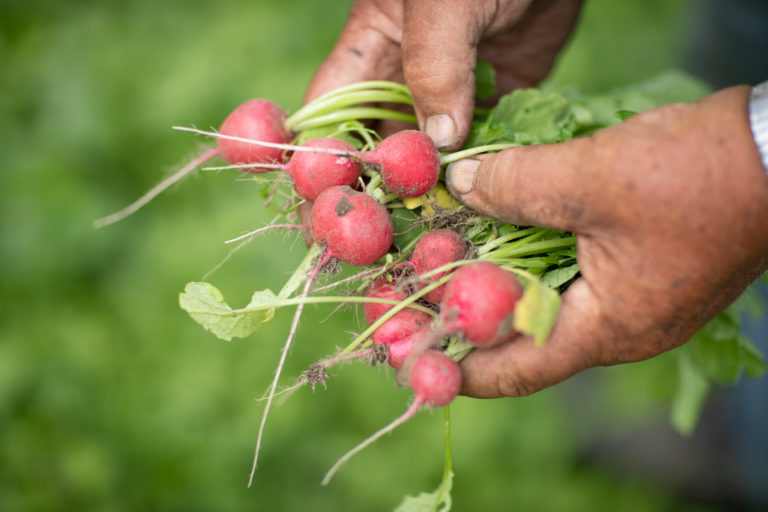
Drinkwine Produce
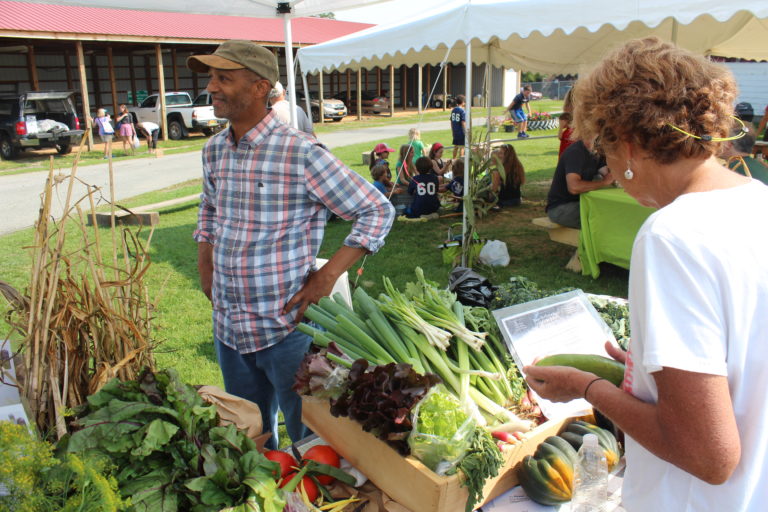
Bucksberry Farm
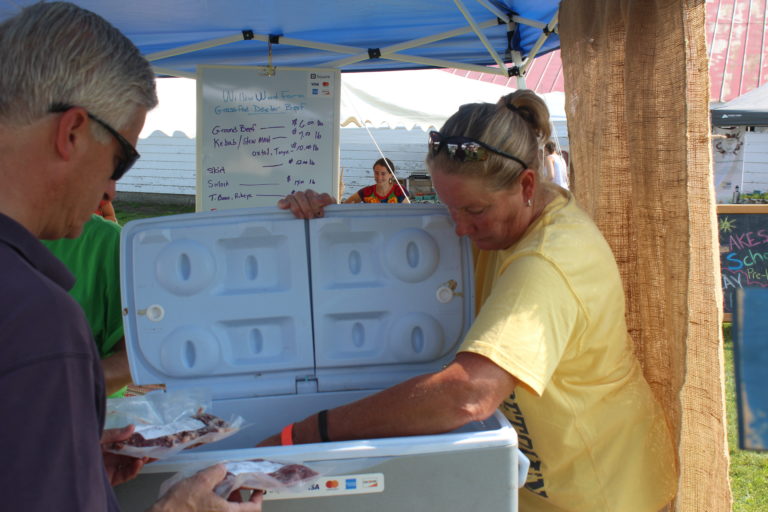
Willow Wood Farm
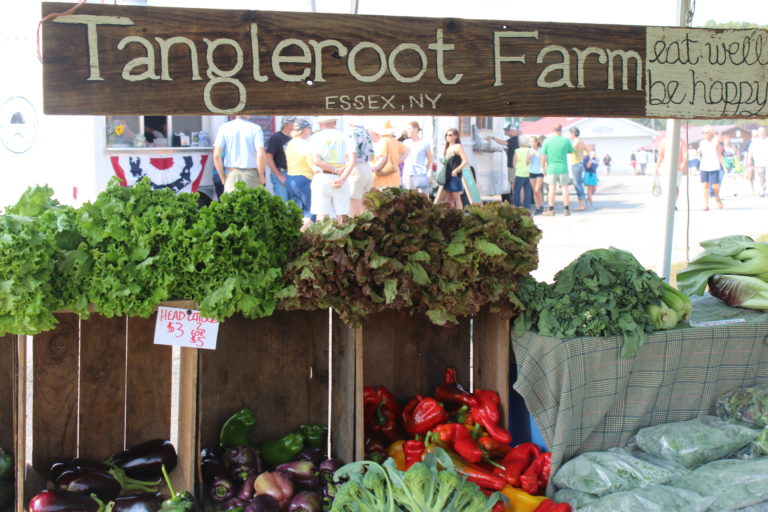
Tangleroot Farm
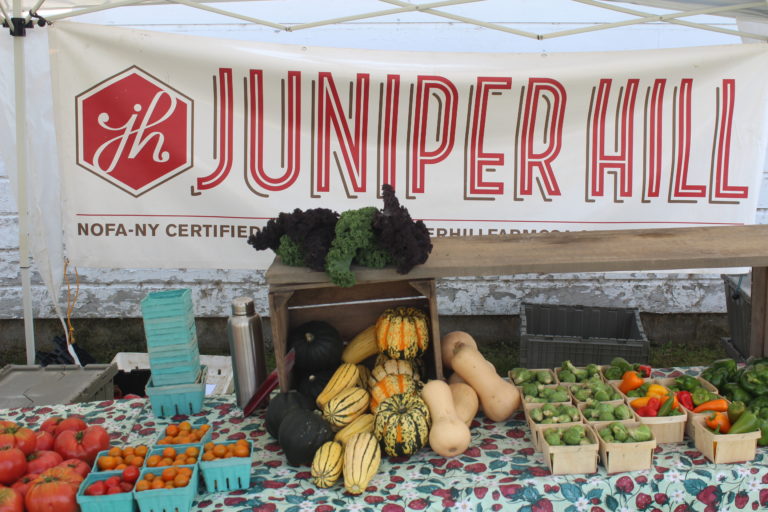
Juniper Hill Farm


Regulated Certifications
- Organic
- Grass-Fed
- Pasture-Raised
- Free-Range
- Animal Welfare Approved
- Certified Humane
- Certified Naturally Grown
- “Non-GMO” or “GMO-Free”
- New York Grown and Certified

Organic
The USDA has three regulated terms that apply to organic certification.
- 100% organic: Single-ingredient foods like fruit and veggies, or products made from ingredients that are all 100 percent organic.
- Organic: Any product that’s at least 95 percent organic.
- Made with organic ingredient(s): Any product containing at least 70 percent organic ingredients.
To be certified organic by the USDA:
- For plant foods, the land the crop is grown on must have been free of any prohibited substances for at least three years.
- The farm can’t use any genetically modified products, sewage sludge, or irradiation.
- In most cases, farmers must use organic seeds.
- Farmers can only use pesticides, herbicides, and insecticides that are naturally occurring, you can see a list of allowed substances, methods, and ingredients here.
- Farmers must keep detailed records, have an on-site inspection by an official certifying agent, and pay all fees associated with certification.
- For livestock, the animals must be fed 100 percent organic feed and not be given antibiotics or hormones. And their living conditions have to “accommodate natural behaviors”.
Grass-Fed
“Grass (Forage) Fed” only applies to ruminant animals (like cattle, sheep, goats, buffalo, and deer.) It does not apply to non-ruminant animals, like pigs, turkeys, chickens, or rabbits because they are omnivores. Grass-fed means that grass and forage are the food source for the lifetime of the ruminant animal, with the exception of milk consumed prior to weaning. Animals cannot be fed grain or grain byproducts and must have continuous access to pasture during the growing season. The USDA’s grass-fed label refers strictly to the animal’s diet and has nothing to do with other living conditions, like space requirements, or if it has received hormones or antibiotics. Many beef cows are grass-fed and grain-finished. Meaning they spent a majority of their life on a diet of hay and other forage and then ate grain during the last few months of its life to impact the weight and flavor of the cow’s meat.
Pasture-Raised
Put simply, a pasture-raised animal must have had access to the outdoors for a minimum of 120 days per year. A pasture-raised animal does not have to be solely grass-fed. For example, some pasture-raised animals are fed grain in the winter. There is no standard definition of pasture-raised. USDA regulations require farms to submit paperwork defining what pasture-raised means to them.
Free-Range
Free-Range means that an animal has continuous, free access to the outdoors for over 51% of its life. The label “Free Range” can be used on any meat or poultry animal. Free Range labeling is obtained through the USDA with a written description of housing conditions. There is no minimum space requirement for the animals and does not specify that the outdoor space has to be grass for forage.
Animal Welfare Approved
Animal Welfare Approved is a certification provided by A Greener World (AGW). They describe their certification as “The basic premise of all our standards is that animals must be able to behave naturally and be in a state of physical and psychological well-being and that the way we raise our animals, the nutritional quality of the food they produce, and the impact of the farming system on the environment are all intrinsically linked.”
Certified Animal Welfare Approved:
- Requires animals to be raised on pasture or range
- Prohibits dual production (only raising some animals under Animal Welfare Approved conditions)
- Awards approval only to independent farmers
Certified Humane
This certification requires farms to follow the non-profit Certified Humane’s Animal Care Guidelines from birth to slaughter. All animals are never kept in cages, crates, or tie stalls. Animals must be free to do what comes naturally. For example, chickens must be able to flap their wings and dust bathe, and pigs must have space to move around and root. Calves must not be weaned before five weeks of age. Animals must be fed a diet of quality feed, without antibiotics or growth hormones. A full list of guidelines for specific types of animals is available.
Certified Naturally Grown
Certified Naturally Grown (CNG) is a relatively new certification program that aims to support “farmers and beekeepers producing food, flowers, and fiber for their local communities by working in harmony with nature, without the use of synthetic chemicals or GMOs.”
According to CertifiedNaturallyGrown.org, “CNG farmers don’t use any synthetic herbicides, pesticides, fertilizers, or genetically modified organisms. CNG livestock are raised mostly on pasture and with space for freedom of movement. Feed must be grown without synthetic inputs or genetically modified seeds. Production practices are verified with detailed peer-review inspections annually, so the designation requires more rigor than making a pledge. “
“Non-GMO” or “GMO-Free”
Non-GMO is a certification provided and enforced by the Non-GMO project. It means the ingredients used are not from organisms that have had their genetic material manipulated or altered in a lab. The term is not regulated by the government, but by a non-profit organization called “The Non-GMO Project.
Starting January 2022, any product that contains a bioengineered food- or food that cannot be made using lab techniques and cannot be found in nature or created through traditional breeding- must be labeled as “bioengineered food.” To become Non-GMO verified, a food company must work with a third-party Technical Administrator for product verification.
New York Grown and Certified
This relatively new program aims to help consumers identify products grown in New York State. For certification, food producers must:
- Grow all certified products in New York State
- Participate in a food safety or safe food handling program
- Complete a tier two or higher level of the New York State Agricultural Environmental Management (AEM) program
- Special requirements for dairy:
- Dairy processors must certify that a majority of their milk is (or milk suppliers are) from New York State farms.
- Dairy processing plants must be in compliance with the required Plant Processor Supervisor (PPS) training
- A majority of dairy processor’s milk must be from producers that have completed a tier two or higher level of the New York State AEM program.