• Skip to main content
  • Skip to footer

Adirondack Harvest

Farm Fresh Foods, Local Producers and Adirondack Farmers' Markets

  • Browse
  • Farmers’ Markets
  • Wholesale
    • Buy Wholesale
    • Local Food Wholesale Database
    • Sell Wholesale
    • Join the Wholesale Database
  • Learn More
    • Explore the Adirondack Cuisine Trails
      • About the Adirondack Cuisine Trails
    • Benefits of Buying Local Food
    • What’s in Season When
    • Farming in the Adirondacks
    • Meet the Makers
    • Decoding Food Labels
    • Food Assistance Benefits & Local Food
    • Food Assistance Benefit FAQ
    • Blog
  • Events
    • About the Adirondack Harvest Festival
    • 2025 Adirondack Harvest Festival
    • Event Calendar
  • Email Sign-Up

Restaurants

Adirondack Culinary Weekend

04/24/2023

Spring 2023 Lake Placid & Adirondack Culinary Getaway

MAY 5, 6 & 7 2023 | THE MEXICAN EXPERIENCE

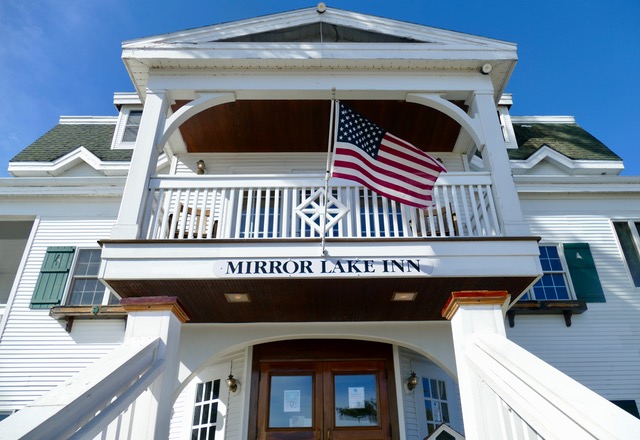
The Carriage House Cooking School has once again teamed up with The Mirror Lake Inn to offer select getaway packages celebrating the bounty of the Adirondack Park’s vibrant farm to table landscape.

Getaway registrants will enjoy the comforts and luxury of the Mirror Lake Inn, which is the epitome of Adirondack hospitality, along with multiple demonstration style cooking classes, each designed so that participants can return home, confident to replicate and share their learning experiences.

Chef Curtiss, the former Dean of Culinary Arts at the prestigious New England Culinary Institute, has long considered the Mirror Lake Inn the perfect venue for cooking classes and a focused culinary weekend.

He has been a guest chef and instructor with the Inn’s numerous Food & Wine Festivals and several special events and now serves as The View Restaurant’s Executive Chef and Food & Beverage Director.

This weekend is all about celebrating the comfort and cuisine of the Mexican house table while tasting the terroir of the Adirondacks and surrounding farmland.

Check out the schedule and class menu below.

MAY 5, 2023

Welcome Reception

5:30 to 6:30 PM

Gather for a meet and greet with Chef Curtiss of the Carriage House and the Mirror Lake Inn Culinary team. Hors d’oeuvres are provided and there will be a cash bar available.

SATURDAY MAY 6, 2023

Cooking Demonstration | Tamales

12:30 to 3:30 PM

Mexican food, like others cuisines in equatorial regions, is full flavored, quick to prepare and delicious. It is important for me to identify and expand the home repertoire in ways that are both traditional and contemporary. It is the goal of this class to share the joy for life that Mexico is famous for and to make it’s cuisine accessible, understandable and actionable.

“The simplicity of preparation and the flavors of home style Mexican food make for meals that are more socially engaging, delicious and enjoyable.”

Chef Curtiss

Saturday’s demonstration style class will showcase the simplicity, accessibility, comfort and flavors of Mexican cuisine with the sense and sensibility of seasonal influences on our palates and tastes. In this class chef Curtiss will showcase how you can replicate a Mexican inspired menu at home with the confidence of a chef.

Demonstrated Recipes

Tamales
masa, lard, cheese, onion | masa, lard, chorizo, onion
*chorizo recipe will be demonstrated in class

Quacamole
avocado, onion, tomato, lime, cilantro, cumin, salt, pepper, jalapeno, olive oil

Pico
tomato, onion, jalapeno, lime juice, olive oil, cumin, salt

Tres Leches Cake
sponge cake, tres leches, whipped cream, cinnamon sugar

While the foods used in this class will be primarily sourced and inspired from the Adirondacks and its surrounding farmland, Chef Curtiss will be discussing how to source products local to you that will yield you the same results.

Registration for the class includes:

printed recipe packet
bottled water
tasting plate

SUNDAY MAY 7, 2023

Cooking Demonstration | A Mexican Inspired Brunch

9:30 AM to 12:00 PM

Chef Curtiss will pull from the Adirondacks and its surrounding farms, rivers and forests to showcase recipes for a delicious Mexican style brunch of sharable platters and plates, typical of a Mexican meal.

“The concept of sharing a table is deeply rooted in traditional and contemporary Mexican culture. When you order food in a restaurant you order it for the table, not yourself. This approach binds those at the table to one another and makes for more memorable experiences.”

Chef Curtiss Hemm

Demonstrated Recipes

Chicken Posole Verde
chicken, hominy, beans, stock, salsa verde, onion, lime juice, cilantro

Elotes Salad
shoepeg corn, mayonnaise, sour cream, cojita, jalapeño, onion, lime juice, cilantro

Albondigas
pork, masa, milk, onion, breadcrumbs, egg, chipotle, cumin, coriander

Churros
milk, butter, sugar, eggs, salt, flour, cinnamon

While the foods used in this class will be primarily sourced and inspired from the Adirondacks and its surrounding farmland, Chef Curtiss will be discussing how to source products local to you that will yield you the same results.

Registration for the class includes:

printed recipe packet
bottled water
tasting plate

For more information about booking please call one of the Mirror Lake Inn’s reservation specialists at (518)523-2544 or info@mirrorlakeinn.com.

Bringing High-Quality Farm-to-Table Dining to Malone, NY

10/21/2021

Interview with Executive Chef & Operating Partner Jesse Badger at the Hearth of Malone

By Mary Godnick, Adirondack Harvest Communication Coordinator at Cornell Cooperative Extension of Essex County

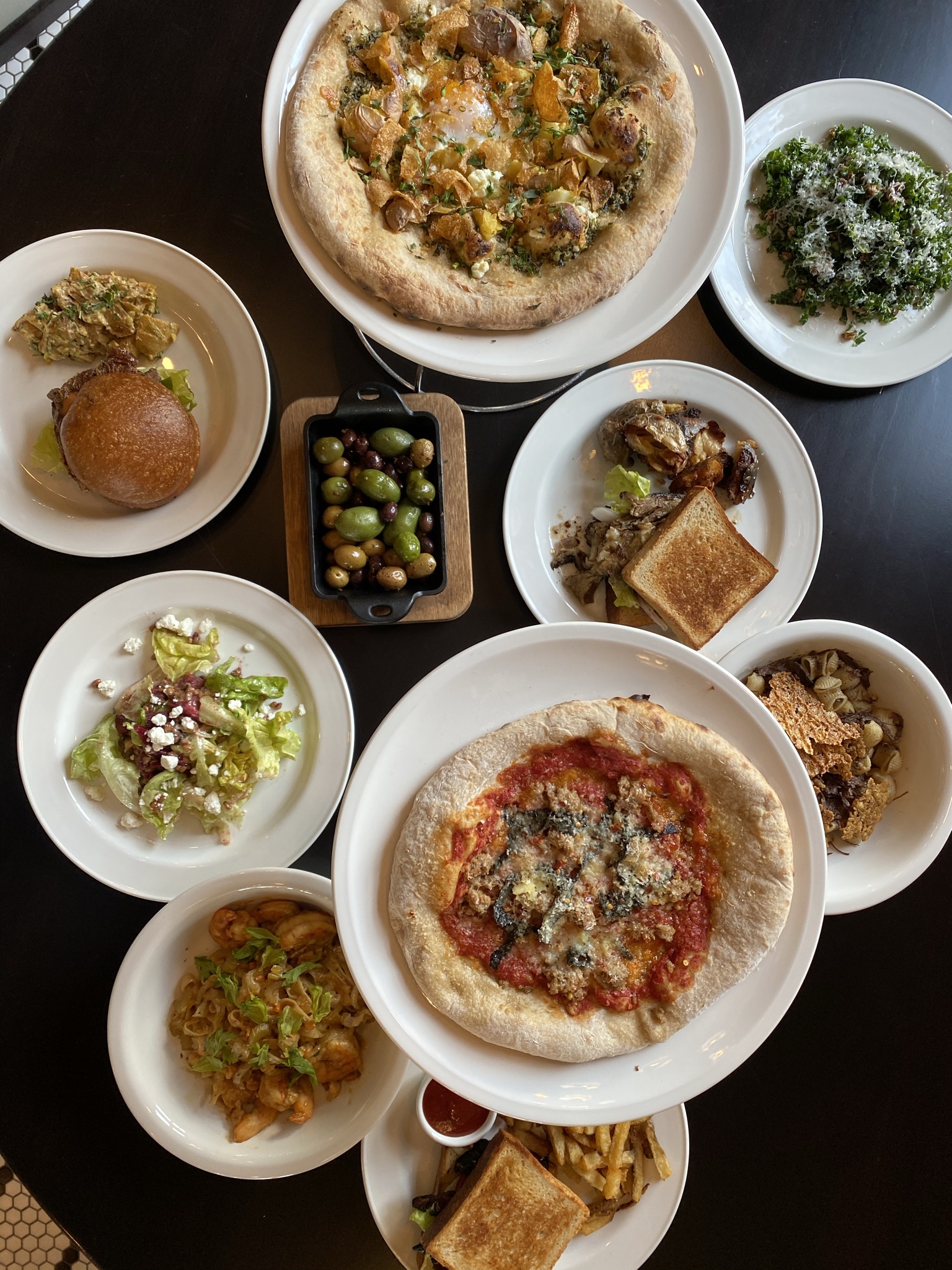
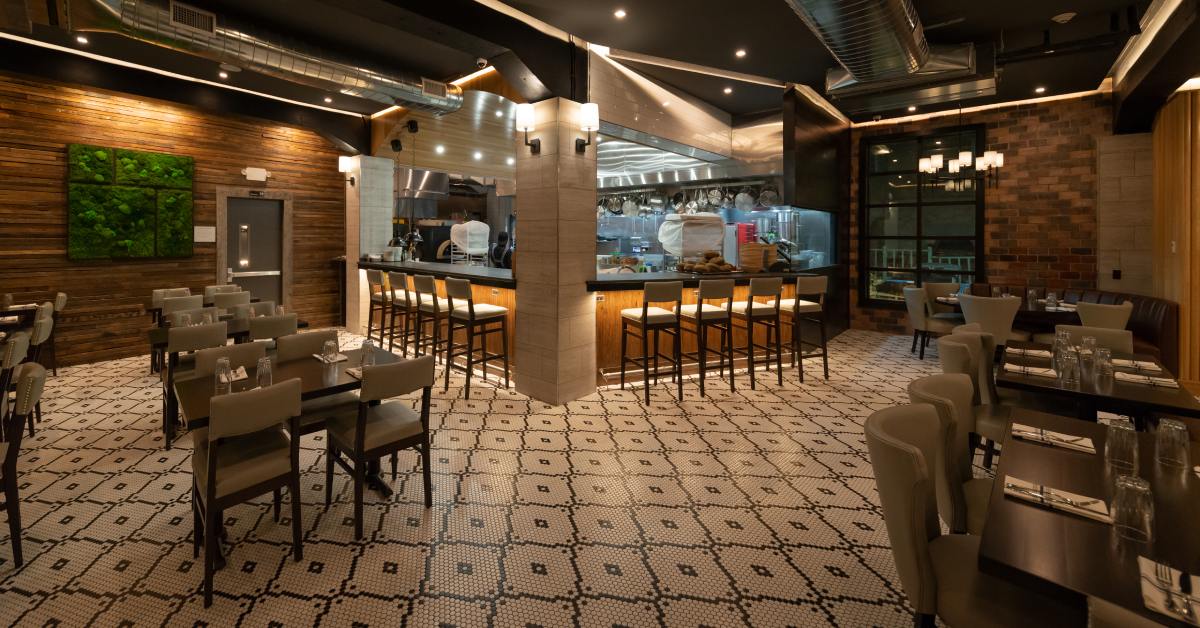
You may have already heard the buzz about the new restaurant in Malone, NY. A small town in the Adirondacks along the Canadian border. The Hearth of Malone opened the doors of its tastefully designed restaurant in May of 2021. Since then, it has become a staple in the surrounding community. The restaurant aims to offer unique modern-American food by sourcing the highest quality local ingredients. The focus of their process is to use traditional and contemporary methods to highlight the best possible ingredients. For example, they use a wood-burning oven and make all of the bread from scratch in-house. 

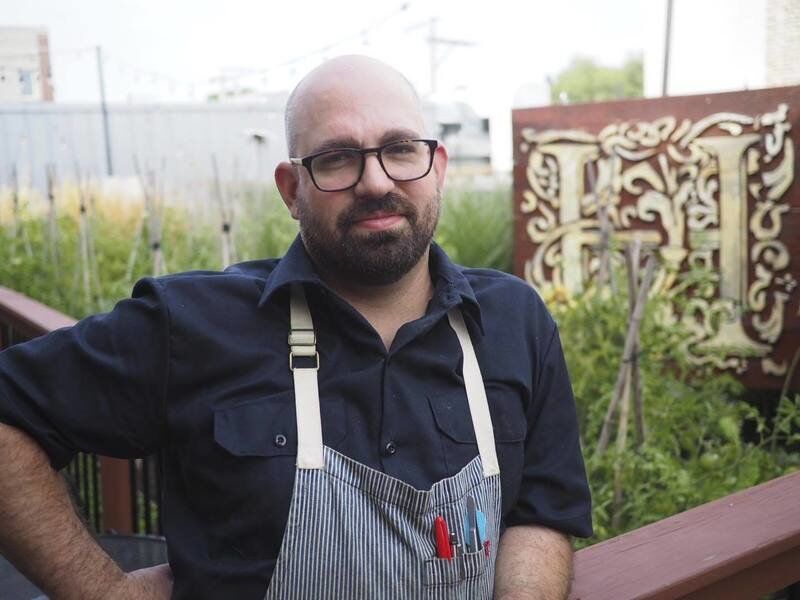
Executive Chef Jesse Badger moved to Malone from Chicago in 2020 to open the restaurant with his partners Darren Gough and Michael Roesler. manager and owner Michael Roesler brought on Executive Chef Jesse Badger, who then moved to Malone from Chicago in 2020. Jesse has over two decades of experience in the restaurant industry, from wholesale distribution to the front-of-house management, to acting as chef de cuisine for Michelin-recognized restaurants in Chicago, Louisville, and beyond. His experience and attention to sourcing local and sustainable ingredients has allowed the Hearth of Malone to live up to its vision. 

While the farm-to-table movement is growing nationally, in the Adirondacks there are many hurdles that business owners, chefs, and restaurant staff have to overcome to make changes to sourcing their ingredients. 

Hearth of Malone Executive Chef & Operating Partner Jesse Badger, selections from their lunch menu, a look at the restaurant space

I sat down with Chef Jesse Badger after the Adirondack Harvest Festival Open Farm Week (where he hosted a long table dinner at DaCy Meadow Farm) to talk about how he has developed a vision and process that makes serving local from-scratch food simple and economical. 

MG: So, why does your restaurant buy locally?

JB: “Well, first off, the quality is usually higher than commodity products, and produce in season always just tastes better. It is also important to support farmers and producers who are good stewards of the land and help preserve crop diversity.”

MG: My understanding is that the profit margin for restaurants can be very thin. I’ve heard that it’s estimated that eighty percent of restaurants will fail in the first five years of opening. So it’s no wonder why restaurant owners and staff are cognizant of cost. It seems that there is a common misconception that because locally produced ingredients cost more per unit that they are more expensive. Do you think using local food is sometimes less expensive?

JB: “Especially here in the North Country, it is impossible to get a better quality maple syrup at a competitive price than what we can get from our local producers. In addition to the price of purchase just being lower, the flavor and sweetness are more intense so we also don’t have to use as much to achieve the same flavor.”

MG: Understandably, the lack of infrastructure at many restaurants for storage and preparation of whole foods combined with staffing shortages, thin budgets, and busy tourist seasons followed by seasonal closures can make buying, preparing, and marketing more local food feel like a big leap. Can you speak to these challenges and share how your team has made buying local food an asset to your work? 

JB: “The main challenge of buying local ingredients is just that you have to keep track of many more vendors than a traditional restaurant that probably gets all of their food product from one purveyor, maybe two. It is just the nature of the beast so we work through it by using very detailed spreadsheets for our order guides so we can keep track of what we need and where it comes from.”


MG: Is there anything that you did to design your kitchen space to be conducive to buying and using local ingredients? 

JB: “Since we make everything we possibly can in-house, we need more prep space than if we purchased a lot of prepared ingredients so the biggest element of difference for us is the very large wood butcher block prep table in the middle of our kitchen.”

MG: What are some things that have made the process of sourcing and purchasing local food easier for your restaurant? 

JB: “Northstar Food Hub and Regional Access aggregate local products from many sources that are too far away to realistically deliver to us as individual farms, but are still within just a few hours’ drive of us. This allows us to cast a wider net when sourcing. Also, we are fortunately at the point now where food producers approach us having heard about us either through some of the press we’ve received or word of mouth through other farmers that are working with us” 

MG: What has been the general reaction to your unique offerings in the larger Malone community?

JB: “Generally very positive although we did get some comments at the outset that our prices seemed high, that was mainly because those guests weren’t aware we were sourcing higher quality local ingredients and also incurring more labor cost by prepping them all from scratch in house.”

Thank you, Jesse, for sharing some insight into your passion and work! 

If you’d like support in buying more local food for your restaurant or business, visit our wholesale database, and find other resources for wholesale buyers here. You can find hours and contact information to make a reservation at the Hearth of Malone on their website at hearthofmalone.com.

How Farms and Fine Dining Grow Together

04/23/2021

By Tim Rowland

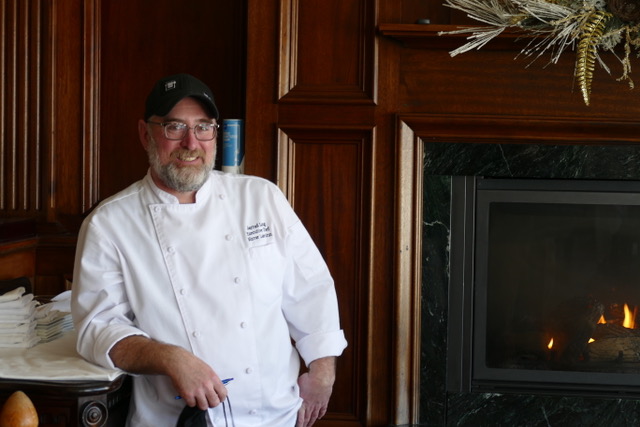
“Green shoots” has come to be synonymous with new beginnings, and for chef Jarrad Lang it was figuratively and literally how he introduced locally grown foods to his fine dining menu at the Mirror Lake Inn in Lake Placid.

Specifically, it was pea shoots from the Fledging Crow in Keeseville, mixed with arugula and tossed with a little lemon juice and olive oil. His guests, you could say with accuracy, ate it up.

Since then, Lang has incorporated a half dozen local producers into his regular rotation, fashioning his creations around the seasons and the harvests, and serving them to an upscale clientele that as a general thing is keenly aware and curious of local food movements.

“More and more, people want to know about where their food has come from, and that hasn’t gone away,” Lang said. Because they are frequently asked, servers are trained to be conversant about such farms as Asgaard, Juniper Hill, Sugar House Creamery or Harmony Hills.

  • Chef Jarred Lang at the Mirror Lake Inn

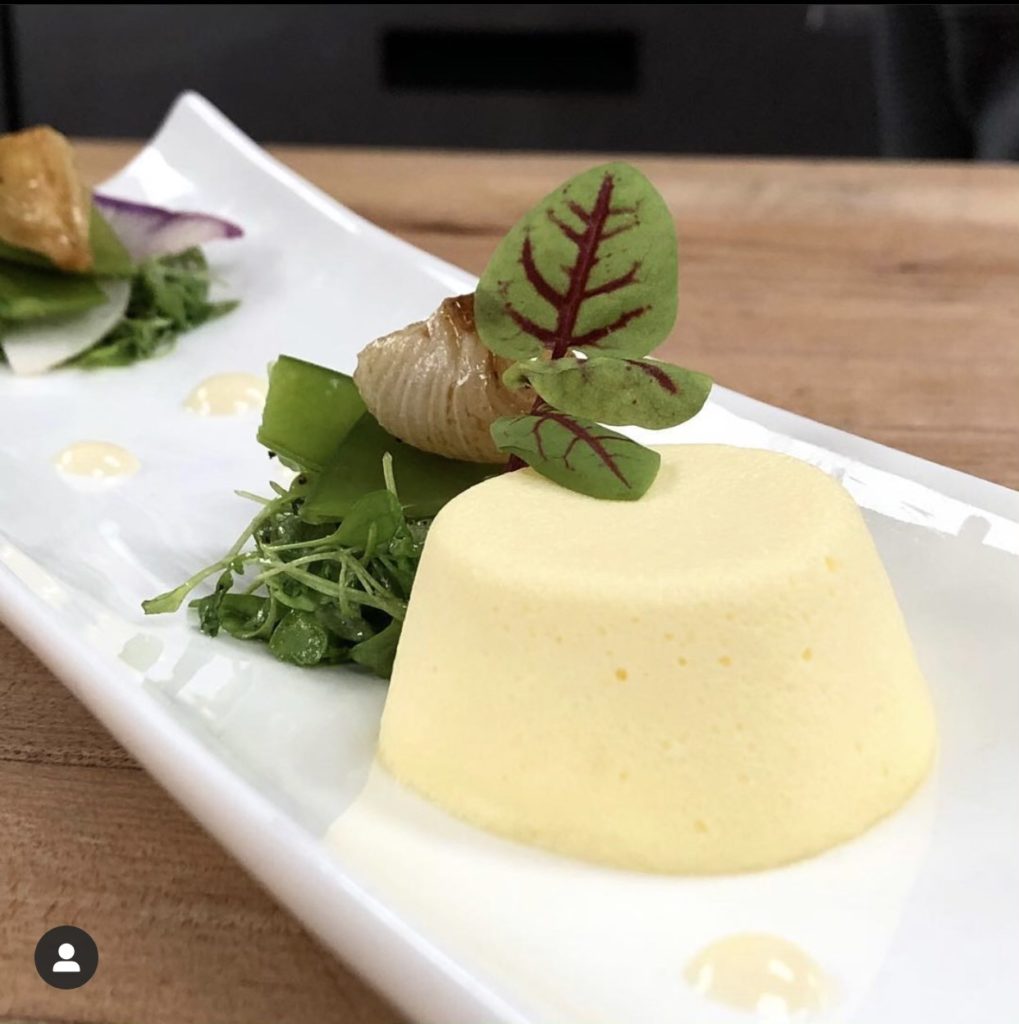
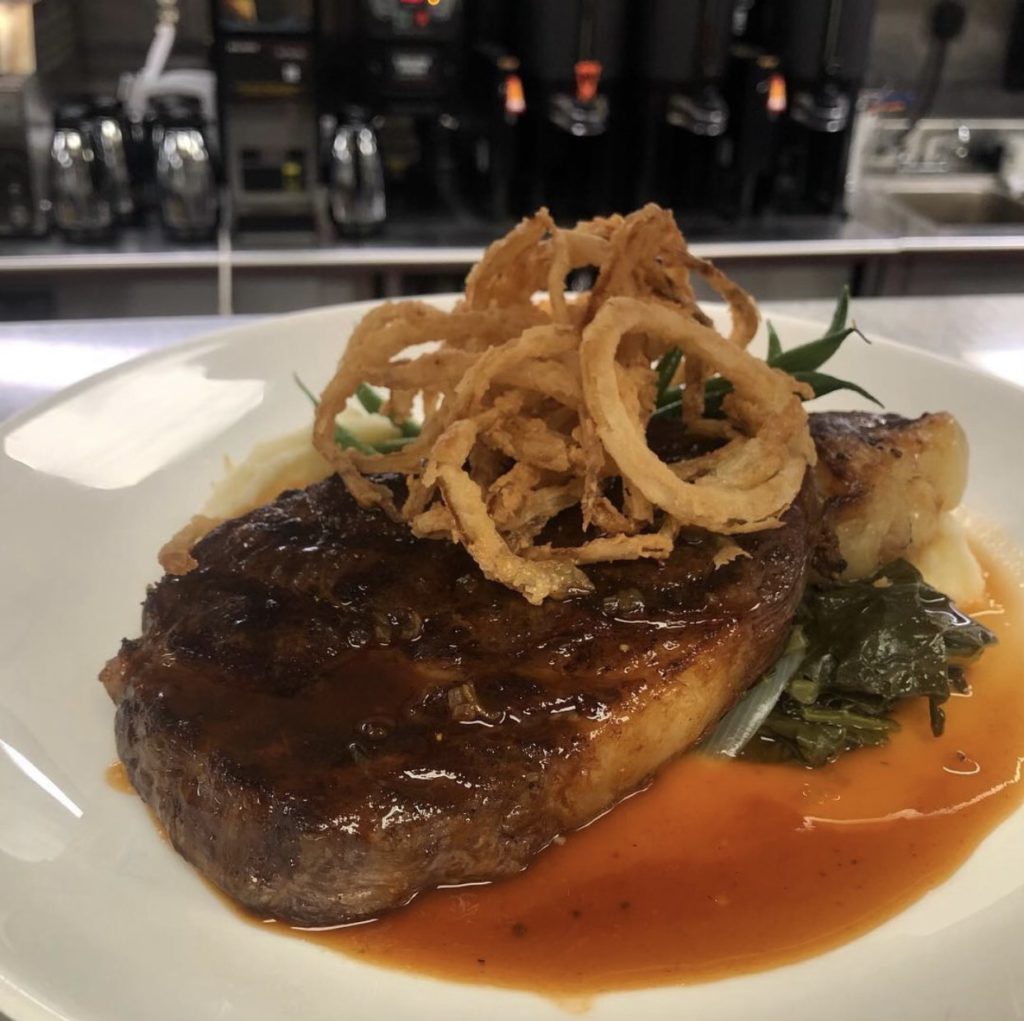
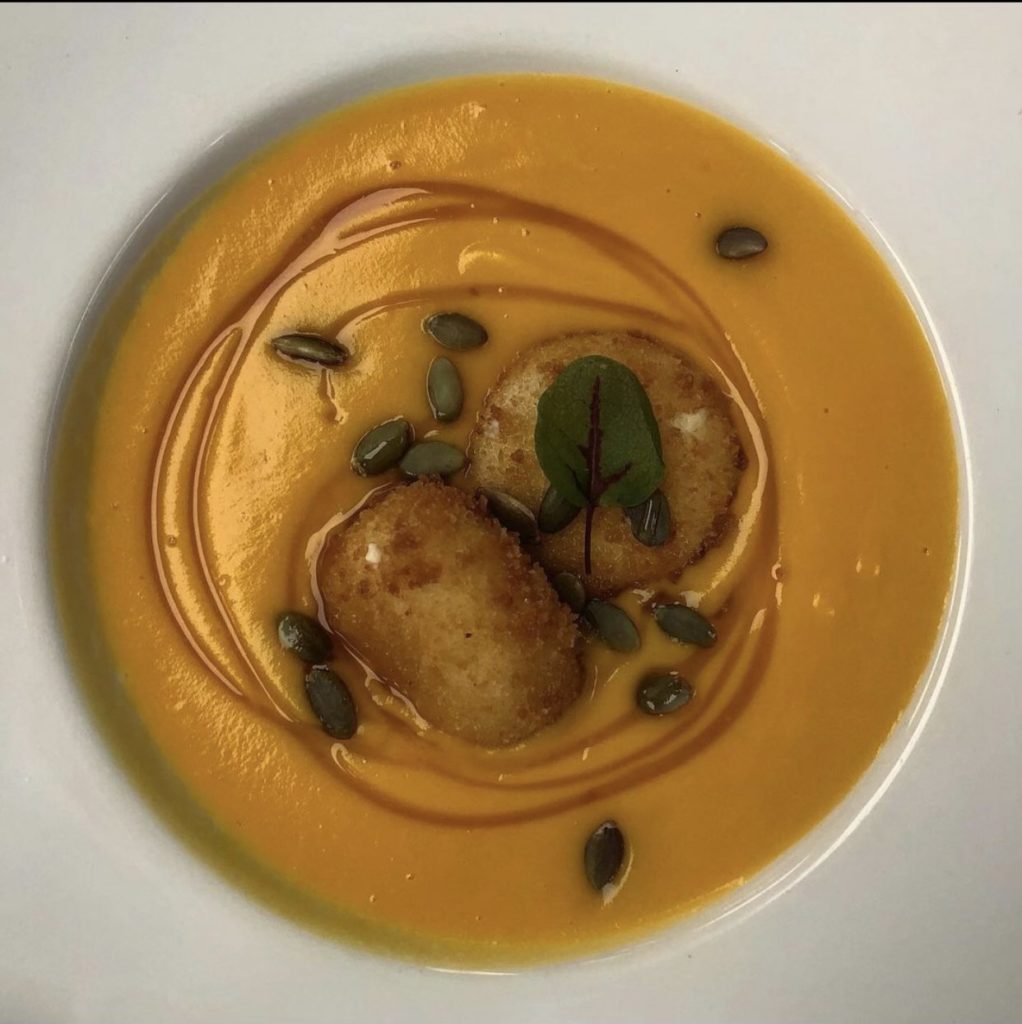
The word “local” makes a frequent appearance on Mirror Lake’s AAA Four Diamond menu, which features feta, honey, pork, squash, beef, sausages — and that’s before the spring and summer seasons rich in local produce kicks in. 

For a chef, the local food movement has challenges and opportunities, and restaurants themselves present challenges and opportunities for local producers. As basic as it is, food represents a tremendous balancing act, and nothing is as simple as it seems it should be.

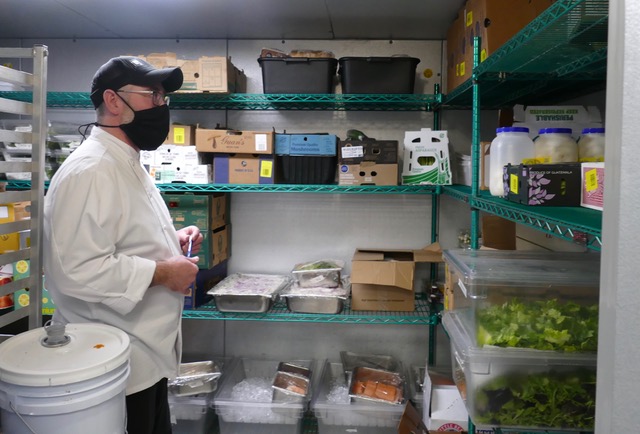
Lang cultivates his suppliers as surely as his suppliers cultivate their crops, and knows who he can count on to deliver products in the quantities a restaurant requires.

The very nature of restaurants and their voracious appetite for meat, produce and dairy can scare away smaller producers who fear that they have no prayer of meeting demand. (The Inn can go through 200 to 400 pounds of russet potatoes and up to 300 pounds of beef tenderloin a week.) To get around that, Lang would create a special that would only run until the supply was used up.

  • Farm to table at the Mirror Lake Inn

Sometimes too producers balk because they can get a higher price for a bunch of carrots at a farmers’ market than at a professional kitchen. “You may not get as much for your strawberries — but you will sell all your strawberries,” he said, which spares the producer long days sitting behind a table at a market.

The North Country’s lack of adequate slaughter facilities and skilled meat cutters can also be a hindrance. The eating public, which has still not gotten the message that the thigh is the tastiest part of the bird, demands breast meat, which would be fine except most producers sell only whole chickens. That leaves a kitchen with a freezer full of legs and thighs it can’t move. Same general principle holds for lamb. If Lang wants to feature lamb shanks, he’s left with a lot of sundry lamb cuts that customers may not be amenable to.

“They’re adventurous up to a point,” he said. “They may try one thing new, like the celery root puree, but then they go scrambling back to the tenderloin.”

But stumbling blocks aside, the Farm to Table movement is progressing nicely, and it is one that, increasingly, all chefs are wise to take into consideration when planning their menus.

Lang himself comes by it honestly, having grown up for a time on a farm in Crown Point where there was never a question of incorporating fresh dairy and garden vegetables into the daily diet.

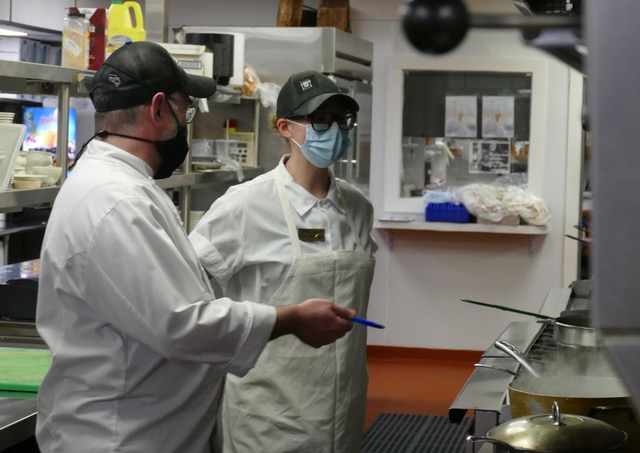
  • Chef Lang and team in the kitchen at the Mirror Lake Inn

In the Adirondacks, it’s not unusual for young people to be drawn into the hospitality industry, because that’s where the summer jobs are, and by the time he was 18, Lang knew the kitchen was where he wanted to spend a career. “I always looked up to the cooks — they were the cool guys,” he said. His culinary career took him into the world of fine dining, from Chestertown to Paris and Boston to Lake Placid, where he became chef for the Mirror Lake Inn 2010.

The Farm to Table movement is largely traced to Alice Waters and her Chez Panisse, a restaurant that opened in Berkeley, Calif., In 1971, on the idea that the freshness and quality of the ingredients was as important as cooking techniques.

The trend had moved east by the time Lang arrived at Mirror Lake, but farming and the Adirondacks had always been a strained relationship. Memorable crops of potatoes and fine herds of Devons were produced in the land of harsh winters and stony soils, but in the end agriculture was easier elsewhere. Just as Minnesota’s Mesabi Range put Adirondack ironworks out of business, the deep rich soils of the Midwest enticed many small-scale producers to abandon the mountains for less stony pastures. Until, well, just about the time Lang came to Mirror Lake.

“Some (local production) was being done at the time, but it was still pretty new,” Lang said. In 2008, Ian Ater and Lucas Christenson had founded Fledging Crow, which Lang discovered when he began prowling local farmers’ markets. It was there he discovered the pea shoots and arugula, “and we just built on it from there,” he said. “I wanted to support something I believed in.”

Aside from satisfying diners’ demands for locally grown foods, Lang said dealing with local or regional farms is good business. “Quality is a big part of it,” he said. “I can buy corn from Florida, but it’s pretty much crap. The lettuce that’s shipped in has no shelf life and is poor quality; I’ll wind up throwing half of it away.”

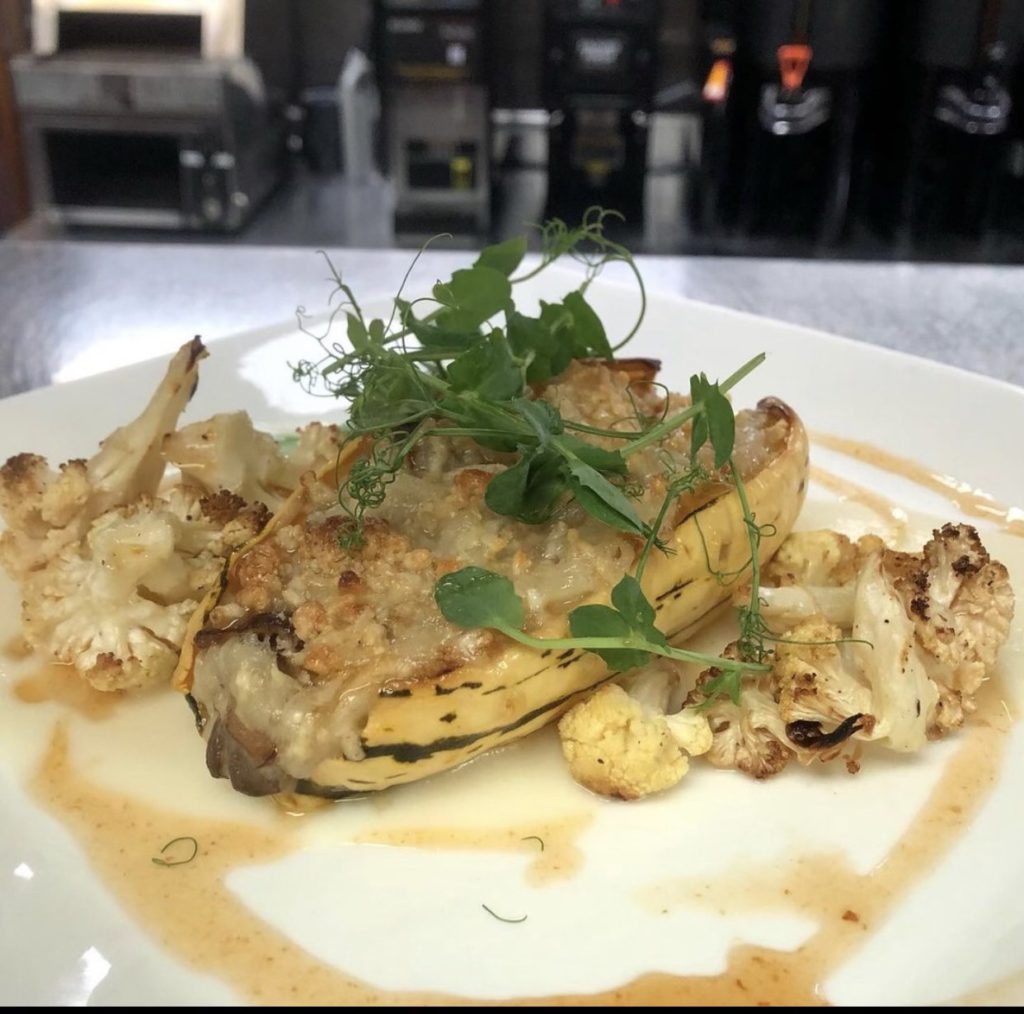
  • Stuffed delicata squash at the Mirror Lake Inn

Local producers have learned what restaurants want, and restaurants in turn have learned to tailor their menus to the season. By summer, when farms are growing mountains of fresh vegetables, from tomatoes to garlic scapes, more than half of the produce that finds its way to Mirror Lake Inn’s tables is locally grown. A locally produced BLT “is probably the best you can ever get,” Lang said.

The bounty culminates with the Inn’s Thanksgiving buffet, which Lang has turned into a true celebration of the local harvest. From turkey on down, almost everything is locally produced. It is, he said the culmination of  a success story for the restaurants, producers, chefs and the dining public. “Local food has become more and more of a thing, and it’s not going away,” Lang said.


If you are interested in buying or selling local food wholesale, sign up for our new wholesale newsletter, and see our online wholesale database.

Farm to Chef Meet and Greet

05/03/2019

farm to chef meet and greet adirondack harvest
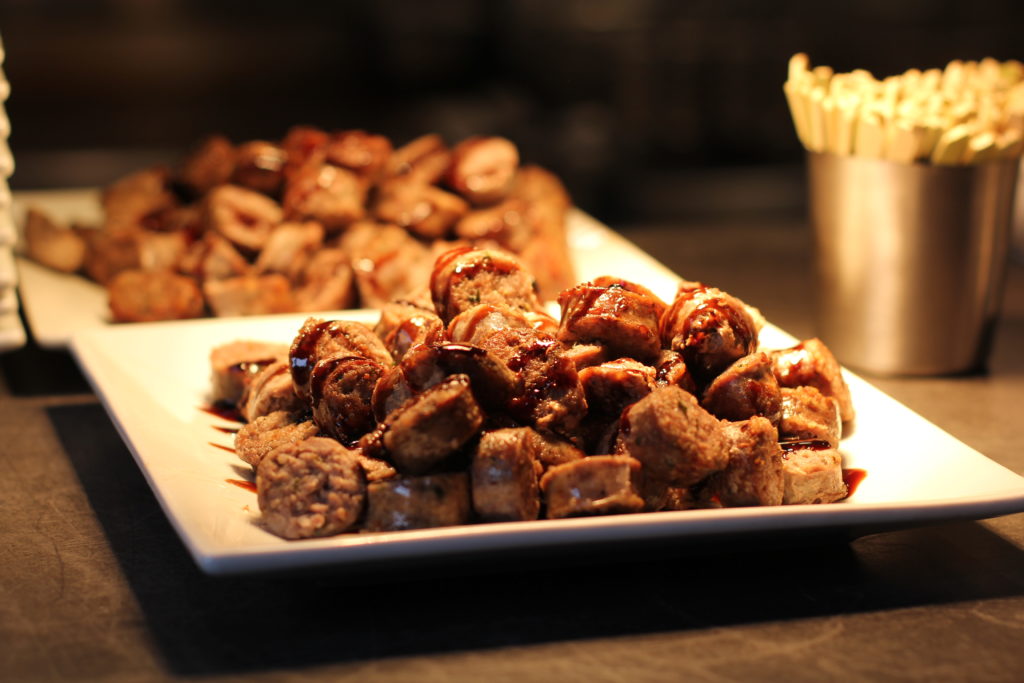
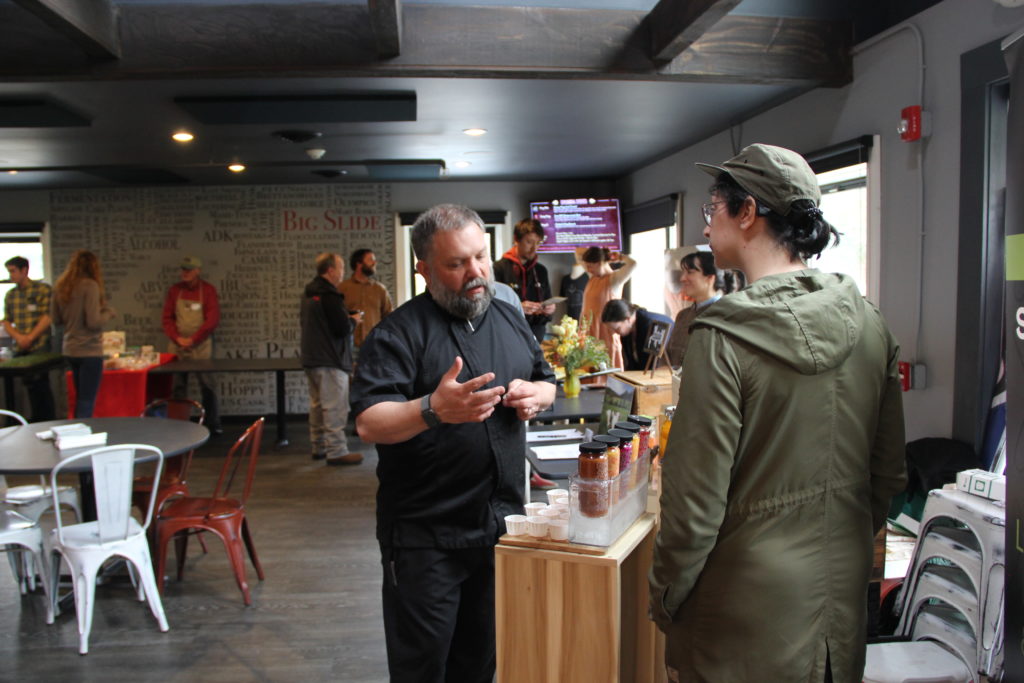
This year’s Farm to Chef Meet & Greet was a huge success!

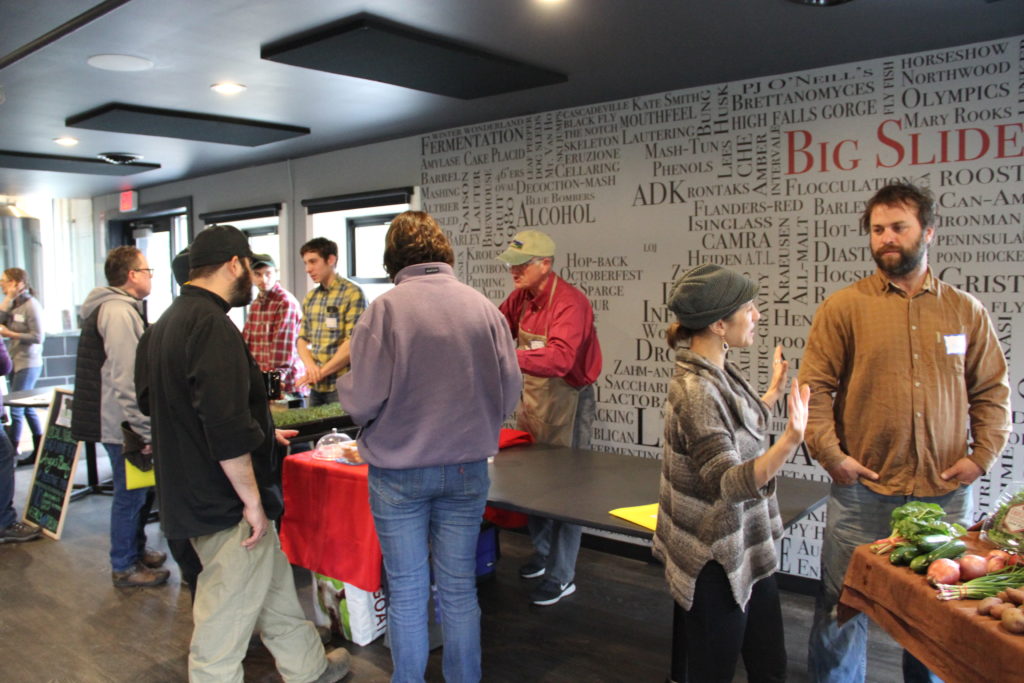
This year’s event was graciously hosted by one of our restaurant members, Big Slide Brewery in Lake Placid.

We had 16 farms & food producers and 16 restaurant owners & chefs representing 13 food establishments attend.

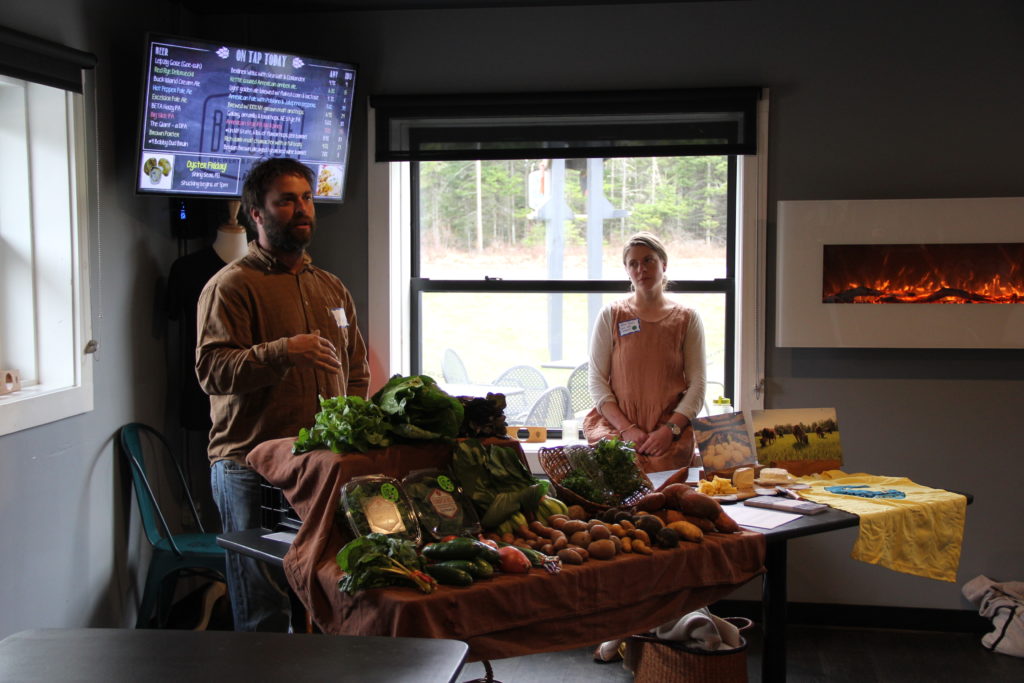
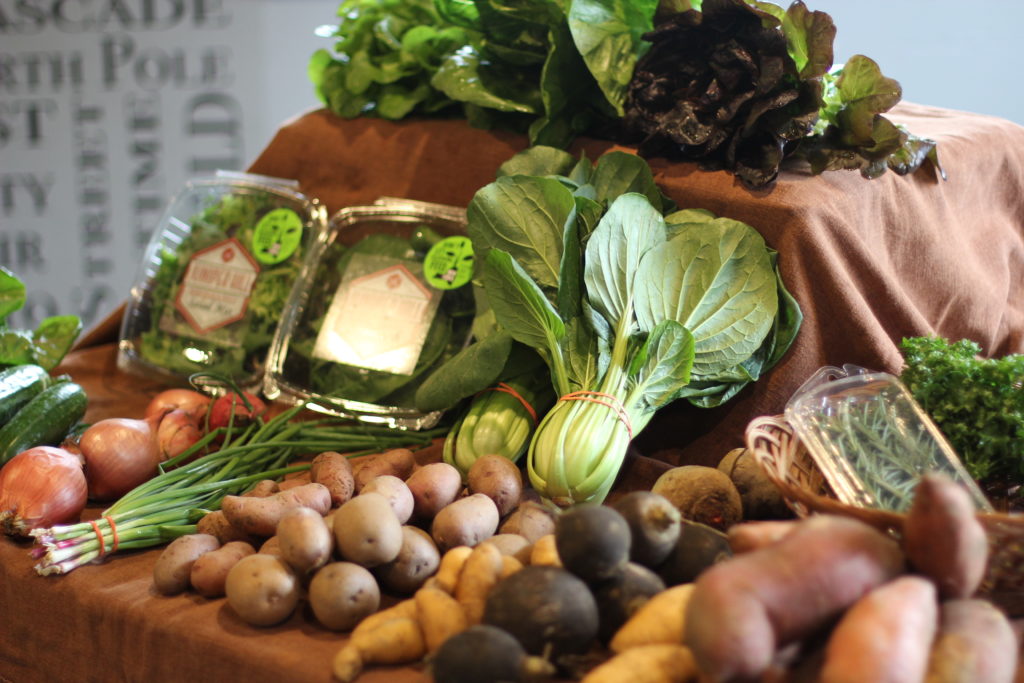
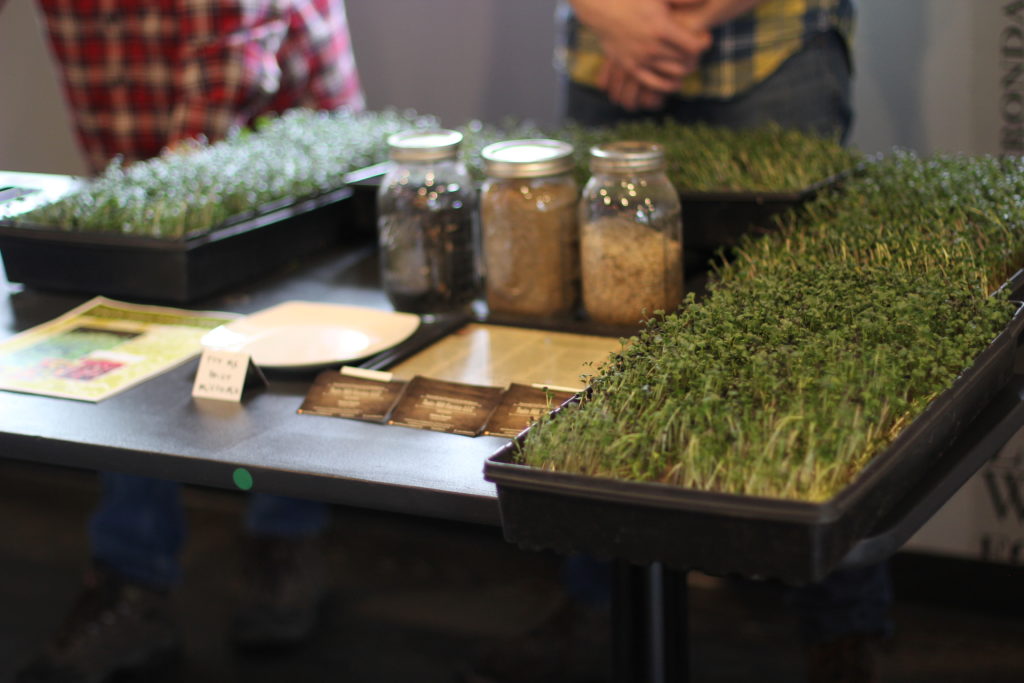
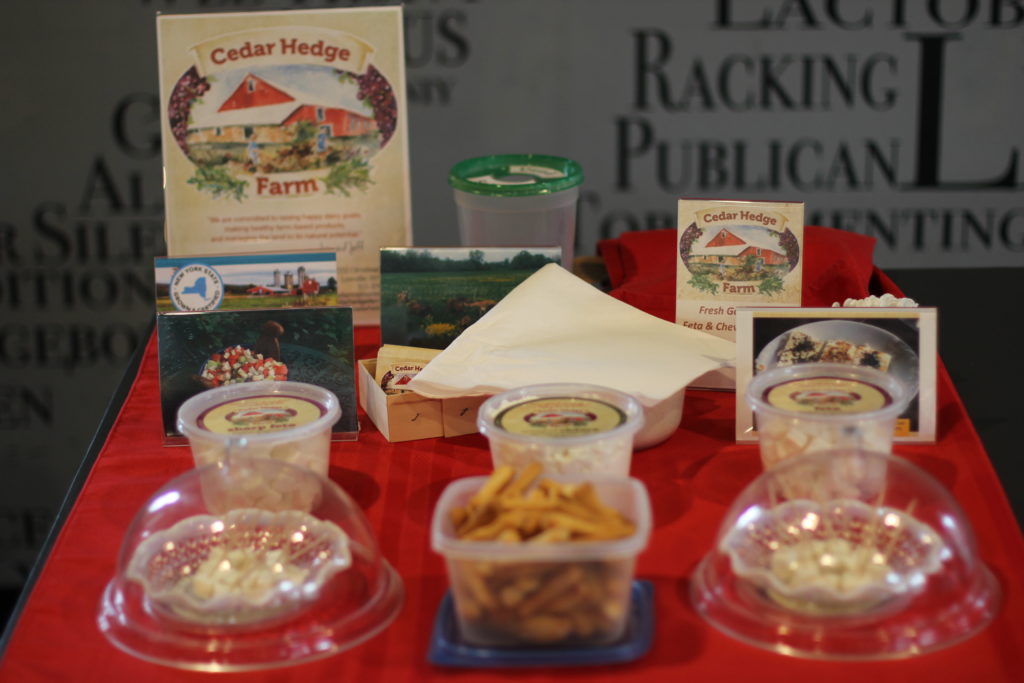
Farms set up incredible displays, even as we are just coming out of winter.

Farms and chefs networking

Local Food Networking

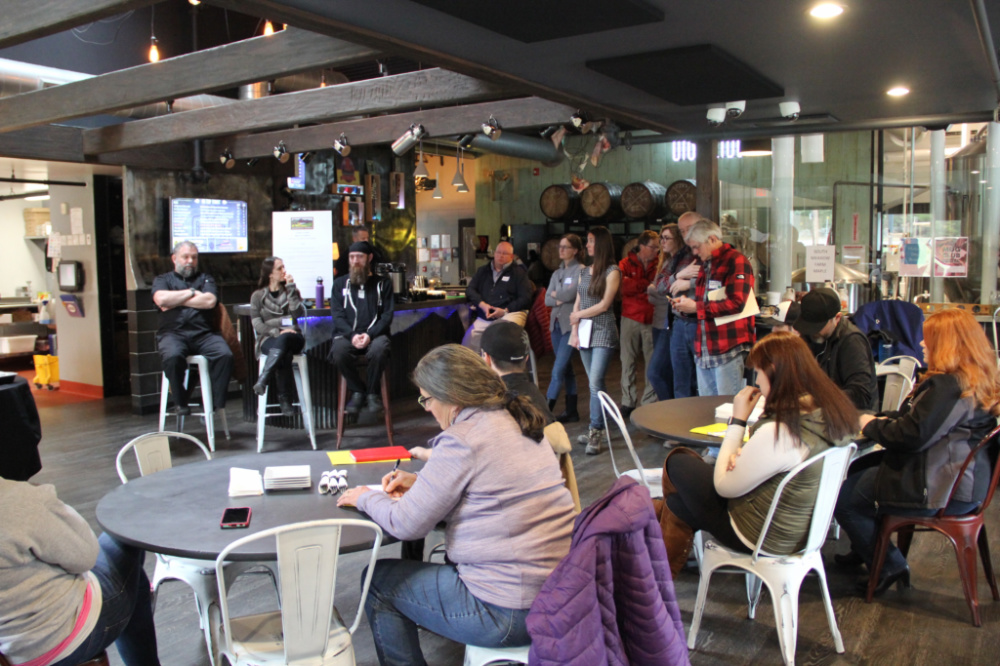
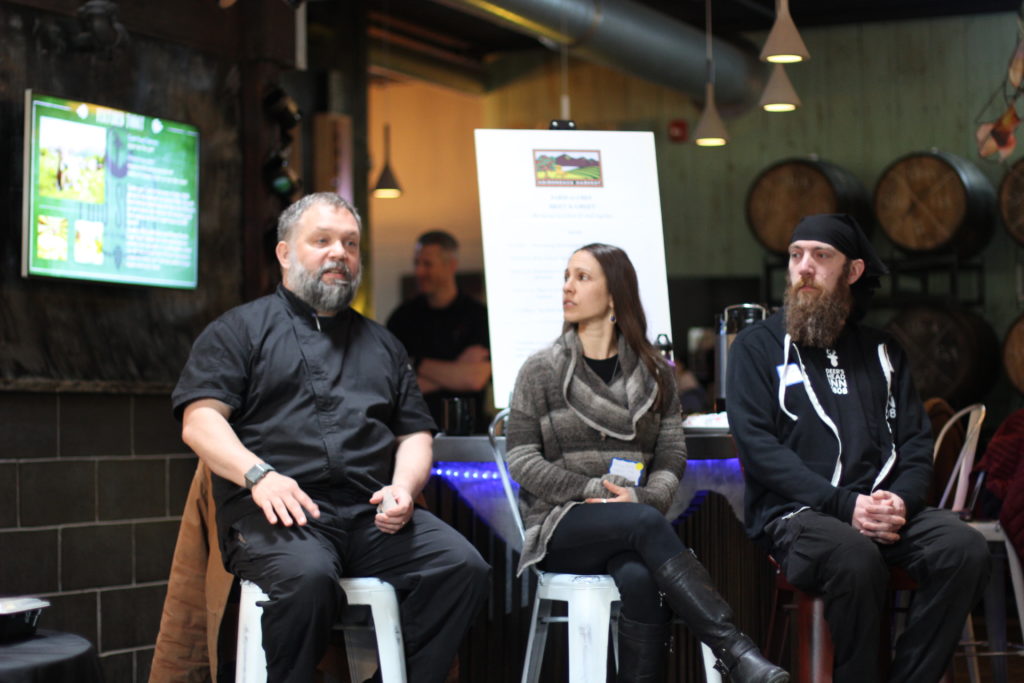
The main focus of the event was networking time, giving chefs and farms the chance to connect. We also came together as a group with a panel of chefs experienced in local food purchasing for a discussion.

Our Chefs Panel

Our farm-to-table chefs panel included Greg Sherman, Big Slide Executive Chef; Wynde Reese, co-owner of Green Goddess Natural Market; and Zach Jackson, chef of the Deer’s Head Inn.

As a group we discussed topics ranging from the varying styles of communicating with farms, importance of building relationships, and embracing seasonality.

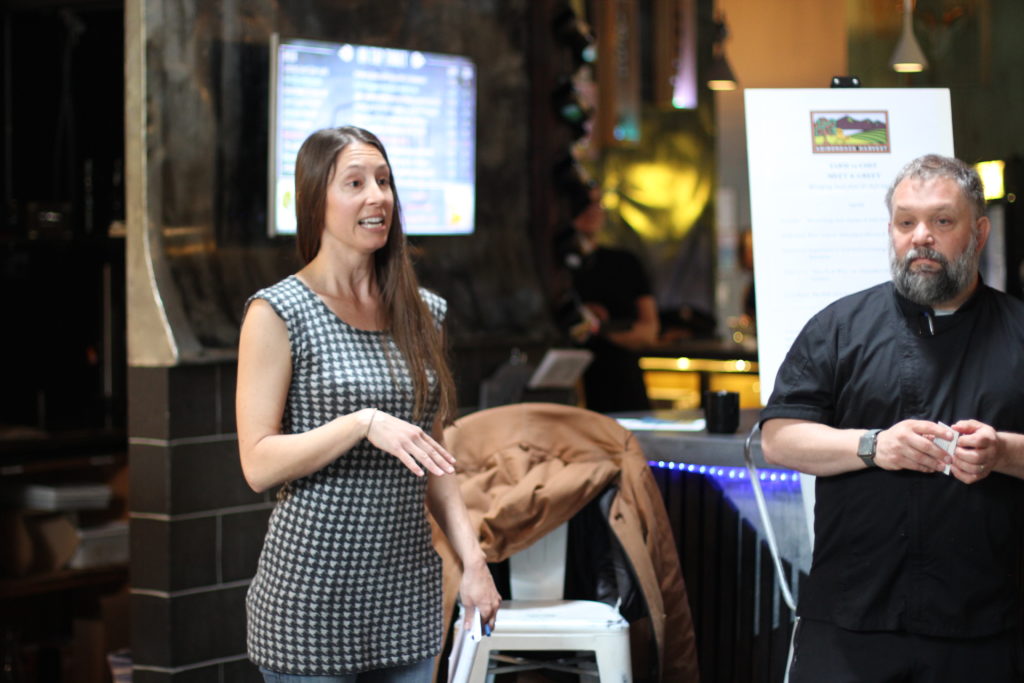
Dan Rivera, owner of Triple Green Jade Farm and president of Adirondack Harvest shared “Unlock the Power of Your Profile” using your Adirondack Harvest profile page to boost your business presence online.

He shared simple and free ways Adirondack Harvest members can boost the visibility of their businesses through the cooperative marketing that Adirondack Harvest offers.

He shared simple and free ways Adirondack Harvest members can boost the visibility of their businesses through the cooperative marketing that Adirondack Harvest offers.

A big thank you to everyone who attended!

The more restaurants that can source from our local farms, the more we boost our own local economy and support each other. If you’re interested increasing your local food connections, be sure to become an Adirondack Harvest member today!


Footer

  • Facebook
  • Instagram
  • Twitter
  • YouTube
alt-text

8487 U.S.Route 9, Lewis, NY 12950

Phone: (518) 962-4810

cornell-cooperative-logo

If you have a disability and are having trouble accessing information on this website or need materials in an alternate format, please contact the Cornell Cooperative Extension of Essex County office for assistance (518) 962-4810 or email essex@cornell.edu.

  • Browse
  • Markets
  • Events
  • Festival
  • Blog
  • Trails
  • Login | Join
  • Home
  • About Us
  • Harvest News
  • Local Food Guides
  • Contact Us
  • Get Listed or Renew
  • Make a Donation
  • Friends

Copyright© 2026 · Adirondack Harvest. All images to their original owners. adk-chair