By Tim Rowland | Contributing Writer
Reading, writing and rutabagas aren’t part of the classic curriculum that most educators signed up for, but teachers who have added food to their coursework have seen results that are both surprising and rewarding. And sometimes more than a little eye-opening.
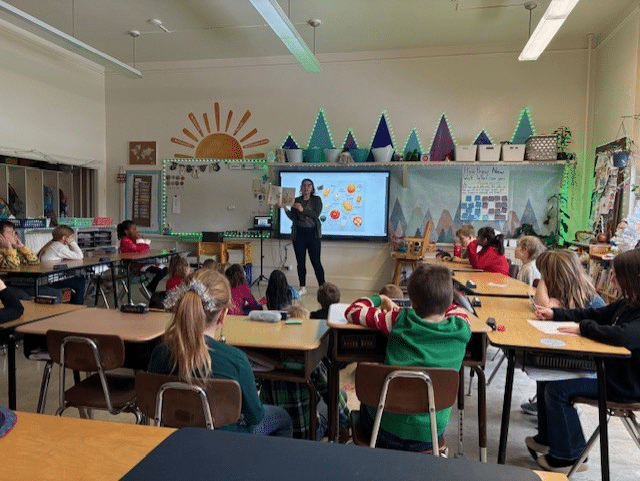
Melissa Niquette is a 2nd grade teacher at Boquet Valley Central School’s Lakeview Campus whose students participate in the Rooted in Learning Farm to School program. She noticed that children tend to be familiar with locally grown apples and pumpkins due to parents’ autumnal traditions. But beyond that, there is scant knowledge of where food comes from, or what goes into a healthy diet.
And that matters, for both their short and long-term health.
“Most children are not exposed to whole foods, or foods their parents dislike, and that leaves an imprint on them,” Niquette said. “As an adult I tend to go to the foods I had as a child. Giving kids healthy, locally grown foods now will hopefully help them make better choices later.”
Local Roots, Lifelong Habits
Cornell Cooperative Extension of Essex County helps teachers introduce a world of fresh foods to kids through the “Rooted in Learning” Farm to School program that promotes food-related activities throughout the 2025-2026 school year. Rooted in Learning is funded through a Cornell Cooperative Extension Harvest NY grant, and is being taught in elementary schools in AuSable Forks, Boquet Valley and Ticonderoga.
Changing the Taste of a Generation
While children are famously pegged as vegetable-haters, intolerant of any unprocessed whole food that wasn’t raised in the supermarket freezer aisle, teachers say this may be less an issue of taste than it is an issue of exposure.
Kids eat what their parents eat, and processed foods have become generational, having exploded in popularity in the 1970s and ’80s. Massive advertising campaigns focused on children, and parents — often tired from a hard day at work — found it easy to oblige with microwave-ready fish sticks and Tater tots.
These processed foods are, as Niquette says, being imprinted on young palates with health implications both today and down the road. But that pattern can be changed with education.
Rooted in Learning provides classroom instruction and facilitates farm visits where kids see foods in their natural state. That makes them curious and more likely to try fresh foods that were previously unfamiliar to them.
From Reluctant Eaters to Food Adventurers
Michelle Eggleston, a 4th grade teacher at Ticonderoga Elementary School, said she’s noticed a change in children’s eating behavior since agricultural instruction has entered the classroom. She’s noticed kids are not only (voluntarily) eating more vegetables, but having a better understanding of whole foods and nutrition in general.
“I see them get excited when they are learning about and preparing new foods,” she said.
Along with nourishment, Eggleston said children are, at a young age, receptive to the message that wholesome foods will make you grow stronger, think more clearly and have (parents, avert your eyes) more energy.
“I enjoy teaching food because it helps to shape lifelong eating habits in my students,” she said. “I’m helping to influence how students feel about their bodies, whether they fear or enjoy trying new foods, and how confident they feel making food choices later in life.”
Lessons that Nourish the Whole Child
Teachers have also discovered that bringing agriculture into the classroom can impart lessons that go beyond nutrition and health. There are few parts of daily and academic life that can’t in some way be linked to food production.
Food is a natural for, say, teaching science. “We use food in STEM activities when we can fit it into the schedule,” Niquette said. “I bring enough to use for the lesson and then to eat fresh.”
Growing Connections Between Food, Culture, and Community
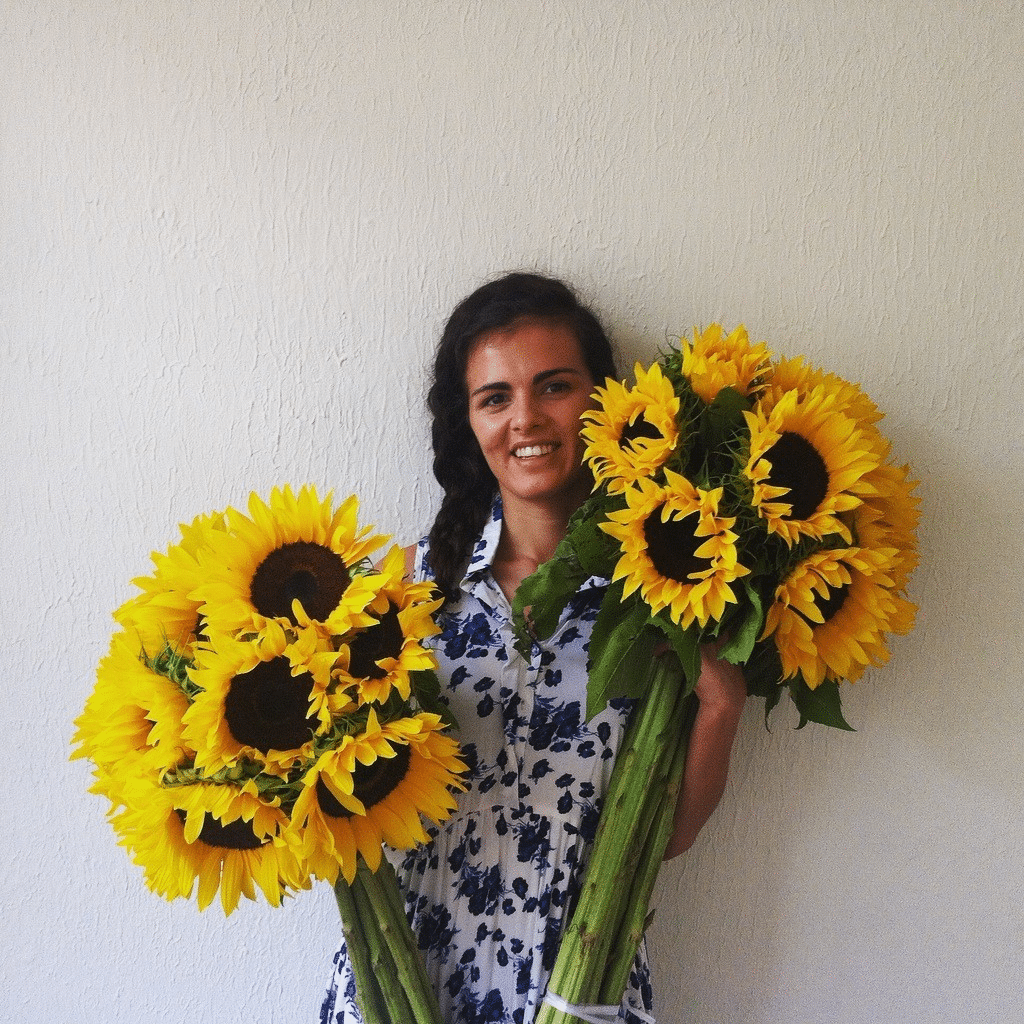
“I’m always looking for ways to connect our learning to our community,” said Ines Chapela, a 3rd grade teacher at Boquet Valley Central School’s Lakeview campus. “I love that the AITC lessons teach students about local food and use maps to show the students where the food is being grown. It’s important for kids to feel connected to their food systems and for them to understand the bigger picture of agriculture.”
Chapela believes food is a natural way to teach about other cultures as well, and plans to add those lessons in as time allows.
Food can be exciting for children, particularly when it’s something new — and what gets children excited gets teachers excited too. “Agriculture in the Classroom has been an empowering and rewarding experience for the students and the teachers,” Niquette said.